Rubbish Removal London

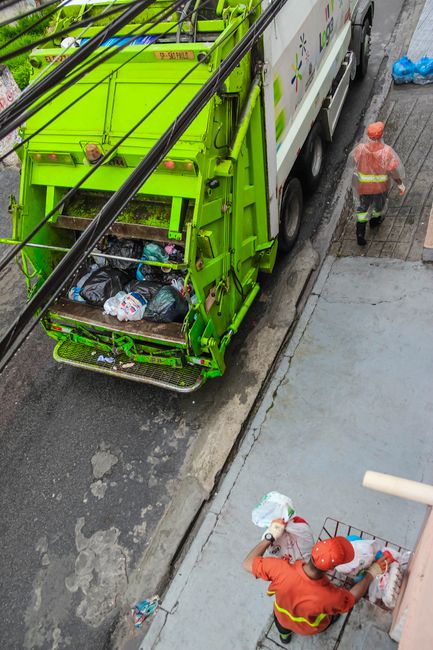
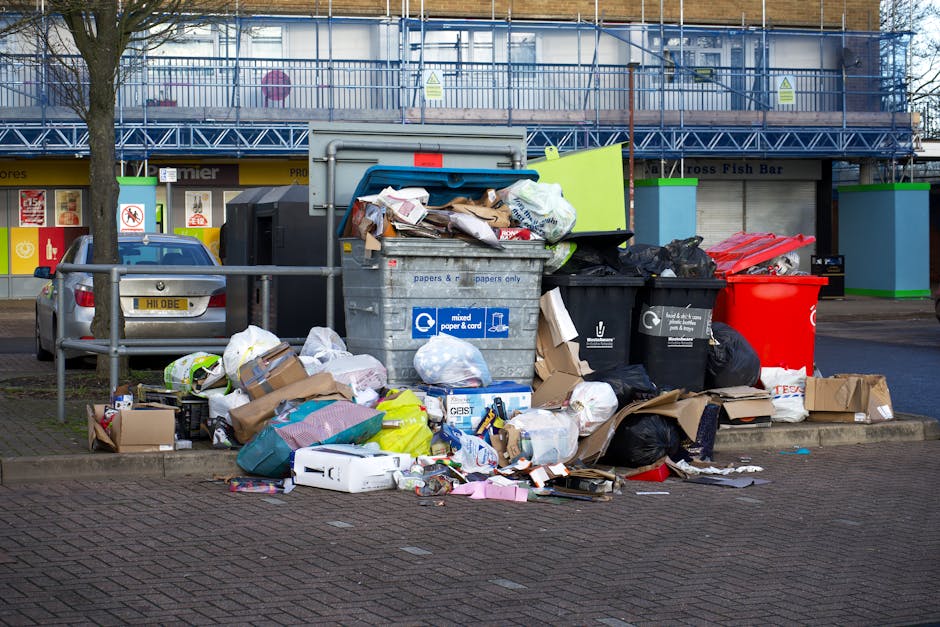
Rubbish Removal London provides a straightforward, organised service for homes and businesses that need unwanted items, mixed waste or bulky loads taken away in a sensible way. The focus is on rubbish removal in London that keeps the process practical: you identify what needs clearing, the right vehicle and loading approach are matched to the job, and waste is then handled through the appropriate disposal or recycling route. That makes it easier to deal with one-off clear-outs, recurring waste, and awkward items that are too large for ordinary bins.
The service can cover single pieces of furniture, bagged rubbish, broken appliances, boxes from storage spaces and general accumulated waste, depending on what needs removing. It is also useful when a project has produced a mixed pile that does not fit neatly into one category. If you want to compare what may be suitable for your job, you can start with the main rubbish removal service or look at the published pricing and quotes information before you decide how to proceed.
For a quick request, think about the type of waste, how much there is and where it is located on the property. Clear access, basic loading space and a simple description of the items usually help the enquiry move efficiently. If you are sorting through several different areas, it is fine to separate them into a few obvious groups rather than trying to describe every object individually. One clear message is often enough to begin a quotation discussion.
Household rubbish removal and property clearances
Domestic clearance work often involves more than a single bin-load. A home may have loft contents, garage clutter, furniture that has reached the end of its use, or mixed rubbish left after decorating or reorganising a room. The service approach is designed to deal with these varied loads in a calm and orderly way, so the customer does not need to sort every item into a separate trip. Where appropriate, the work can be planned around the size, weight and access conditions of the property.
Useful household options include house clearance, flat clearance and property clearance, each suited to different layouts and contents. For people clearing a specific area rather than an entire home, pages such as loft clearance and garage clearance give a better picture of the task. If the waste is mainly furniture, the relevant furniture removal and collection service may be the more direct route.
Some jobs contain items that need separate handling because of their size or material, for example a mattress, sofa or other bulky object that cannot simply be bagged. In those cases the aim is to match the right removal method to the item, rather than treating everything as generic rubbish. You can also keep your plans flexible: many customers begin with a single room or store area and later add another section once they see how the work is arranged. If that sounds familiar, contact us when you are ready to request a quotation.
Bulky items, furniture and appliance disposal

Bulky item removal is often the most practical part of a rubbish clearance, especially when items are awkward to carry, too heavy for one person, or too large to fit in a normal vehicle. This service area can include old sofas, wardrobes, tables, chairs, beds, mattresses and white goods that are no longer wanted. The benefit is not only in moving the object away, but in making sure the removal is handled in a way that reflects the item’s condition and likely recycling route.
For item-specific needs, there are dedicated pages for sofa removal, bed disposal, mattress disposal, fridge disposal and white goods recycle. These services are helpful when the load is focused on one type of object rather than a mixed pile. If a single large item is part of a wider clearance, the broader bulky waste collection page is a useful starting point.
Customers sometimes ask whether furniture can be removed as part of a larger clear-out or on its own. The answer depends on the volume, the access route and the item type, but the general principle remains the same: the clearer the description, the easier it is to suggest the right service. Use photographs if they help explain the scale, or simply list the larger pieces in ordinary terms. That is usually enough to begin a sensible quote discussion.
Waste from building work, gardens and ongoing site tidy-ups
Not all rubbish removal is domestic in the usual sense. Builders’ waste, renovation debris and outdoor clearances can produce mixed loads containing offcuts, soil, broken fixtures, branches, cuttings and packaging. These jobs benefit from a service that can recognise the different waste streams without making the customer separate every scrap in advance. The practical aim is to remove the collected waste efficiently while keeping the handling of reusable and recyclable material as orderly as possible.
Relevant service pages include builders waste clearance, garden waste clearance and garden clearance. When the load is more general and includes mixed materials from a home or yard, junk clearance and waste clearance may be the better fit. These pages help distinguish between a focused outdoor task and a broader collection of unwanted material.
A simple list can make these enquiries easier to assess:
- bags of green waste or soil
- timber, plasterboard or general renovation debris
- broken plant pots, tools or outdoor furniture
- mixed loose rubbish from a tidy-up or refurbishment
Commercial rubbish removal for premises and workspaces
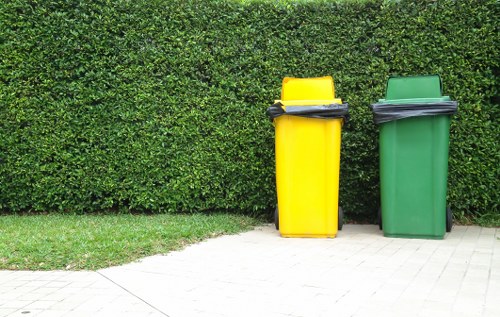
Businesses often need a rubbish removal service that fits around trading hours, storage limits and the type of waste generated by the premises. Office moves, retail refits, stock changes and routine workspace clear-outs can all produce unwanted furniture, packaging, broken equipment and general rubbish. The service can be used to manage these jobs as one-off clearances or as part of an organised removal plan when a site needs tidying without disrupting the day-to-day environment.
Commercially relevant pages include office clearance, office clearances, commercial waste collection and commercial waste disposal. For broader workplace needs, business waste removal and waste collection may suit organisations looking for repeat or mixed-load support. Where the task is simply to clear an area quickly and leave it ready for the next step, a more general rubbish clearance approach can be appropriate.
When preparing a commercial enquiry, it helps to note the floor level, loading access and whether the waste is spread across one room or several. That information is often more useful than long descriptions of the premises. If you have a series of items that need removing in stages, you can usually group them into a single request and explain the order in which the spaces will be ready. Give the practical details first, then ask for the quotation that fits the job.
Recycling, disposal and responsible handling
Rubbish removal is not only about lifting items away; it is also about directing waste toward the right next step. Some materials can be separated for recycling, while others need disposal routes suited to their form and condition. A careful service considers these distinctions when dealing with mixed loads, especially where metal, wood, electrical items or reusable materials are included. That approach can be useful for customers who prefer a clear and tidy process rather than a simple drop-off solution.
The website also includes pages for recycling and sustainability, waste recycling, waste disposal and recycling and rubbish. These pages give a better sense of how the service handles material once it has been collected. For specific item streams, the dedicated page may be the most useful place to start, because it can reflect the different handling needs of furniture, appliances and larger household goods.
Some customers want a clear boundary between what can be reused, what can be recycled and what should simply be removed. That is reasonable, especially for items from cleared homes or offices where several categories may appear together. A quotation request does not need to be elaborate: a short note about the kind of material, the approximate volume and any access issues usually gives enough context to begin. If you have already decided what should go, you can keep the rest of the enquiry brief.
Pricing, access and quotation factors

Quotation work is usually influenced by the amount of rubbish, the type of items, the time needed to load them and the ease of access. A ground-floor collection with straightforward parking is naturally different from a load that must be carried down several flights of stairs or through narrow communal areas. The purpose of a good quotation is to reflect the practical work involved, not just the name of the service. That is why accurate descriptions are more helpful than vague estimates.
If you want to understand the commercial side before asking for a price, the published pricing and quotes page is a sensible place to read next. For more general policy or service detail, about us and insurance and safety may also be useful. These pages can help you judge how the service is organised, while the quotation itself remains focused on the waste that needs removing and the conditions on site.
When you request a quotation, it is often enough to mention three things: what needs removing, where it is, and whether there is anything awkward about moving it. If the waste is still being sorted, say so; if the job is ready to go, say that too. A plain description is usually better than an overcomplicated one. This keeps the response relevant and avoids unnecessary back-and-forth before the work is arranged.
About London
London is a large and historically layered capital shaped by the River Thames, centuries of expansion and a distinctive pattern of districts that grew from former villages, market towns and estates into one connected metropolis. Its geography is defined by the river’s bends, crossings and embankments, while its street pattern often reveals older routes that survived repeated rebuilding. The City of London preserves a medieval core with later financial towers nearby, whereas the West End developed as a centre for commerce, theatres and civic life. Across the wider city, a mixture of Georgian terraces, Victorian streets, post-war estates and contemporary developments gives many neighbourhoods a varied architectural character. Parks such as Hyde Park, Regent’s Park, Hampstead Heath and Richmond Park offer large open spaces within the urban fabric, while the Thames Path, canal towpaths and bridges link many parts of the city on foot. Museums, galleries, libraries, markets and performance venues contribute to a cultural life that is both international and highly local, with each borough maintaining its own history, institutions and public spaces. The Underground, rail lines, buses and cycle routes connect these districts, but London still feels like a collection of distinct places joined by shared civic infrastructure, long memory and constant change.
House, office and specialist clearances
Different clearances call for different approaches, even when the overall aim is simply to remove unwanted material. A probate-related job may involve a careful, item-by-item process, while a hoarder clearance may need more time and a steady, patient method. An office clearance may focus on desks, chairs, storage units and mixed paperwork-related waste, whereas a home clearance may include furniture, bags of clutter and contents from several rooms. The service should be selected to suit the shape of the task rather than forcing every job into the same pattern.
Specialist pages such as hoarder clearance, probate clearance, probate house clearance and home clearance reflect those differences. If the property is being emptied before sale, renovation or handover, a broader house clearances page may also be relevant. The point is to match the job to the scale and sensitivity of the contents, rather than treating every clearance as identical.
Where a site contains both ordinary rubbish and items with a stronger personal or administrative context, it is sensible to separate those in the description. That does not make the job harder; it simply helps determine the right handling method and the likely time needed. If you are unsure which page fits best, send a short summary and ask for guidance. We can help you choose the most suitable route before you confirm the work.
Support for larger or mixed waste loads
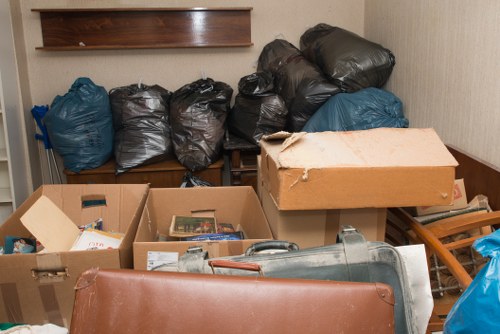
Some customers do not need one single specialist page; they need a practical answer to a mixed load that includes several kinds of waste. That might mean broken furniture with bagged clutter, or a room of accumulated items alongside outdoor refuse and a few appliances. In these cases, the value of the service lies in combining the right collection method with sensible sorting once the items are seen together. The result is a clearer path from cluttered space to empty space without unnecessary complication.
Useful related pages include bulk waste collection, large item collection, litter clearance, house clearance and waste removal. Each one points to a slightly different type of work, but they all sit within the same broad need: removing unwanted material in a controlled, dependable way. When the waste is mixed and the access is straightforward, the general rubbish service remains the simplest starting point.
For many enquiries, the best next step is a short quotation request rather than a long explanation. Tell us what is there, roughly how much needs moving and how quickly you would like the job assessed. If you are comparing options, begin with the pages that match the largest or heaviest items, then move to the more general service. When you are ready, request a quotation here.