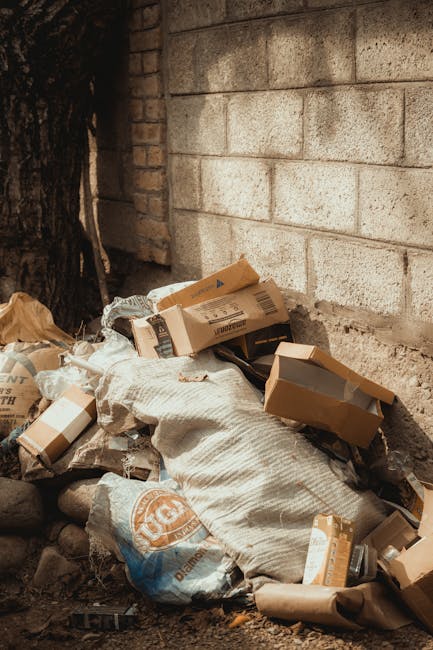
Affordable rubbish removal in SW1 London Westminster area

If you live or work in SW1, you already know the rhythm of Westminster: tight streets, busy pavements, managed access, and very little patience for clutter hanging around. Affordable rubbish removal in SW1 London Westminster area is not just about finding the cheapest van on a search result page. It is about getting waste cleared quickly, legally, and without turning a simple job into a messy interruption to your day.
Whether you are clearing a flat near Victoria, sorting out office waste close to Westminster, or getting rid of bulky items after a move, the right service should feel straightforward. No drama. No hidden extras. Just a clear price, a sensible plan, and a team that understands how central London works in real life. This guide walks you through what to expect, how to compare options, and how to avoid the common traps that make rubbish removal more expensive than it should be.
Why Affordable rubbish removal in SW1 London Westminster area Matters
In Westminster, waste builds up fast. A room gets emptied, a sofa gets replaced, builders leave debris after a refit, and suddenly the spare corner of a flat feels smaller than it should. In an area like SW1, where access can be awkward and parking is never generous, rubbish removal is a practical necessity rather than a nice-to-have.
Affordability matters because the cost of disposal can creep up in ways people do not always spot at first glance. You might be quoted one price, then discover extra charges for stairs, heavy lifting, access delays, or mixed waste. That is exactly why a clear, transparent service is valuable. It helps you budget properly and, to be fair, it saves a lot of stress.
There is also the matter of compliance. Waste should be handled responsibly, with proper disposal and recycling wherever possible. If a service is too cheap to be believable, that can be a warning sign. Nobody wants their old mattress or office waste ending up in the wrong place. Not worth the headache.
For local residents and businesses alike, the real value is simple: a tidy property, less disruption, and confidence that the job has been done properly. If you want a wider view of how the company handles waste and re-use, the pages on recycling and sustainability and recycling and rubbish are useful starting points.
How Affordable rubbish removal in SW1 London Westminster area Works
The process is usually more straightforward than people expect. You describe what needs removing, share a few photos if requested, and get a price based on the type and amount of waste. Once booked, the team arrives, loads the items, and takes them away for sorting, reuse, recycling, or disposal.
In Westminster, logistics matter. A narrow mews, a basement flat, lift access that is out of action, or a loading restriction outside can all affect timing. A good provider will ask the right questions before arrival. That is not fussiness. It is how you avoid surprises on the day.
For many jobs, rubbish removal is quicker than council collection because it is arranged to suit your schedule. That can be especially helpful when you are clearing a flat for new tenants, preparing a property sale, or trying to finish a fit-out before Monday morning. If you need more general help with household or mixed waste, it may be worth looking at rubbish removal, rubbish clearance, or waste removal.
One thing people often overlook: you are paying for labour, transport, loading, sorting, and disposal, not just the van itself. That sounds obvious when you say it aloud, but in the moment it is easy to forget.
Key Benefits and Practical Advantages
Affordable does not have to mean bare-bones. When the service is well run, you get a mix of convenience, speed, and peace of mind that actually feels worth paying for.
- Less disruption: Items are removed in one visit rather than left outside in bags for days.
- Flexible scheduling: Helpful when you need collection around work, tenants, tradespeople, or moving day.
- Better value for bulky loads: Large furniture or mixed household waste is often simpler to clear in one go.
- Safer handling: Heavy or awkward items are lifted and moved by people used to doing the job properly.
- Cleaner finish: Spaces can be left ready for cleaning, decorating, or handover.
- Responsible disposal: Reusable and recyclable materials can be separated where suitable.
There is also a less obvious benefit: headspace. A cluttered space makes everything feel a bit louder. You notice the pile of boxes when you walk in. You notice the mattress leaning in the hall. A clear room, especially in a compact SW1 property, can feel like a relief almost immediately.
If your job includes furniture, sofas, beds, or white goods, specialist pages such as furniture clearance, sofa removal and collection, and white goods recycle can help you see the kind of items that are commonly handled.
Who This Is For and When It Makes Sense
This service suits a surprisingly wide range of people. Not just homeowners with a garage full of old stuff, although there are plenty of those too.
Typical users include:
- tenants who need to clear a flat before checkout
- landlords preparing a rental for new occupants
- homeowners clearing furniture after a refurbishment
- office managers dealing with unwanted desks, chairs, and packaging
- builders needing small-scale debris removal
- people handling probate, hoarding, or full property clearances
It makes sense when the waste is too much for normal bins, too bulky for easy self-transport, or too urgent to wait around for limited collection slots. A common example in SW1 is a flat clearance after a move-out. There is usually a sofa, a couple of broken shelves, bags of mixed waste, and perhaps a mattress. Nothing dramatic. Just enough to be annoying.
Another good fit is business waste. If you are operating from a small office or managed workspace, keeping clutter under control matters for image, safety, and day-to-day efficiency. Related services such as office clearance, commercial waste collection, and business waste removal are worth reviewing if that sounds familiar.
Step-by-Step Guidance
If you want a smooth experience, treat rubbish removal like a short project rather than a last-minute favour. A little preparation goes a long way.
- List what needs removing. Separate bulky items, general waste, recyclables, and anything that might need special handling.
- Take clear photos. Good photos help with accurate pricing and reduce the chance of confusion on arrival.
- Check access. Think about stairs, lifts, parking, and whether items are in a basement, loft, or garden.
- Ask for a clear quote. You want to know what is included before booking, not after the van has left.
- Confirm the collection window. In central London, timing is everything. A 2-hour window may be more realistic than a vague half-day guess.
- Set items aside safely. Keep the load area clear so the team can work efficiently.
- Review the removal before they go. Quick check, then you can relax. Done and dusted.
If the job is more specialised, you may want to look at service-specific support such as mattress disposal, fridge disposal, or builders waste clearance. Different items can involve different handling and disposal costs, so it pays to be specific.
And yes, the old trick of calling everything "general rubbish" can backfire. The more precise you are, the better the quote tends to be. Funny how that works.
Expert Tips for Better Results
After enough clearances, certain patterns become obvious. The smoother jobs usually share the same habits.
- Sort before you book. Separate the items you definitely want removed from anything you may still want to keep.
- Bundle similar items together. It speeds up loading and helps the team estimate space more accurately.
- Be honest about access. A "quick ground-floor pickup" that turns into three flights of stairs is nobody's favourite surprise.
- Ask about recycling routes. If you care about the environmental side, ask how reusable items are handled.
- Choose the right service type. Bulky household waste is different from office waste or garden debris.
- Keep valuables and paperwork separate. In a loft or probate clearance, this matters more than people think.
One small but useful tip: if you are clearing a room in the evening, turn the lights on properly. Dark corners hide extra junk. They also hide the thing you meant to keep. A very London problem, that.
For mixed domestic clearances, the pages on home clearance, house clearance, and property clearance can help you match the right service to the size of the job.
Common Mistakes to Avoid
Most costly mistakes are very ordinary. Not dramatic. Just easy to make when you are trying to get something cleared quickly.
- Choosing purely on headline price. A low initial quote can become expensive if extras are added later.
- Underestimating the amount of waste. One van load sounds fine until you see the actual pile.
- Forgetting access issues. Parking restrictions, loading bays, and narrow stairwells can all affect the job.
- Mixing awkward items together. Heavy furniture, electricals, and general waste may need different handling.
- Leaving the booking until the last minute. That is especially risky during busy moving periods.
- Not checking the provider's disposal approach. Responsible waste handling should be part of the service, not an optional extra.
Practical takeaway: the cheapest quote is not always the most affordable if it turns into a second trip, a delay, or a disposal problem later on.
If you are dealing with awkward bulky items, related pages like bulky waste collection, large item collection, and furniture disposal can help you think through what is included.
Tools, Resources and Recommendations
You do not need much to prepare well, but a few simple tools make a big difference. A phone camera, a rough room-by-room list, and a tape measure for awkward items are usually enough.
- Phone photos: useful for getting accurate estimates and showing access issues.
- Basic inventory list: note items by room so nothing gets forgotten.
- Measuring tape: handy for sofas, beds, appliances, and oversized boxes.
- Strong bin bags or boxes: helps keep small waste contained and easy to move.
- Protective gloves: sensible for sorting sharp, dusty, or broken items.
On the service side, it helps to review a provider's approach to quotes, payment, and safety before booking. The pages on pricing and quotes, payment and security, and insurance and safety are particularly relevant if you want a sense of the standard information a reputable company should make available.
For specific item types, matching the service to the waste is usually the smartest move. For example, a bed, mattress, or fridge is often better handled as a dedicated removal rather than bundled vaguely into "miscellaneous rubbish".
Law, Compliance, Standards, or Best Practice
Rubbish removal in London should always be handled with proper care for health, safety, and legal disposal duties. You do not need to become an expert in waste legislation to book a clearance, but you should expect the company to operate responsibly.
In practice, that means safe lifting, sensible load handling, and proper sorting for disposal or recycling. It also means being cautious around electrical items, sharp debris, and anything that could present a hazard in shared buildings or tight access areas.
For commercial customers, good practice matters even more. Offices and managed spaces may have building rules, collection windows, or restricted access routes. A provider that works neatly within those limits is worth a lot. The same goes for more sensitive clearances such as probate or hoarder situations, where discretion and care are essential.
The company's own policy pages can help you check how it approaches these matters. If you want to understand its stated standards, review the pages on health and safety policy, recycling and sustainability, and terms and conditions. Those pages give you a better idea of how the service is framed before you ever pick up the phone.
Truth be told, reputable waste clearance is often about boring things done well. Documentation, safety, and clarity. Not glamorous. Very useful.
Options, Methods, or Comparison Table
There are usually three ways people deal with rubbish in SW1: council collection, self-transport, or private rubbish removal. Each can work, but they suit different situations.
| Option | Best for | Pros | Limitations |
|---|---|---|---|
| Council collection | Smaller, less urgent items | Can be suitable for planned disposal | Usually less flexible, may involve waiting and item restrictions |
| Self-transport | People with access to a suitable vehicle and time | Can seem cheaper upfront | Parking, loading, travel, and disposal time add up quickly |
| Private rubbish removal | Bulky, mixed, urgent, or awkward clearances | Fast, convenient, flexible, handled for you | Costs more than doing it yourself, but often better value overall |
For some jobs, a council route may be enough. For others, especially where you need speed or there are bulky items involved, a private collection is simply easier. If you are comparing item-specific routes, council large item collection and council waste collection are useful pages to review alongside private service options.
The real decision usually comes down to time, access, and effort. If your weekend is already spoken for, paying for a proper clearance can be the calmer choice.
Case Study or Real-World Example
Imagine a one-bedroom flat in SW1 after a tenancy ends. There is a broken wardrobe, a mattress, two bags of mixed junk, an old desk chair, and some packaging from the move. The tenant wants it cleared before inventory day. The landlord wants the flat ready for cleaning. Nobody wants a slow, awkward chain of emails.
In that kind of situation, the best outcome usually comes from a simple photo-based quote, a narrow collection window, and a team that knows how to work around central London access. The items are loaded in one visit, the space is left clear, and the landlord can move on to the next stage without delay.
Nothing heroic happened there. And that is the point. Good rubbish removal should feel almost uneventful.
For similar property or tenancy-related work, pages like flat clearance, probate clearance, and house clearances are particularly relevant depending on the scale and sensitivity of the job.
Practical Checklist
Use this checklist before booking. It keeps the job tidy, and it saves time later.
- Identify exactly what needs removing
- Separate reusable items from true waste
- Take clear photos in daylight if possible
- Measure any bulky furniture or appliances
- Check access, parking, and lift availability
- Confirm whether stairs or distance from the vehicle will matter
- Ask what is included in the quote
- Check whether special items need separate handling
- Review the collection time and expected duration
- Make sure the area is safe and accessible on the day
- Keep personal documents and valuables away from the load
- Request any disposal or recycling details you want to know
That may seem simple, but a tidy plan is often the difference between a quick pickup and a slightly chaotic afternoon. And nobody needs extra chaos, not in Westminster.
Get a free quote today and see how much you can save.
Conclusion
Affordable rubbish removal in SW1 London Westminster area should feel practical, transparent, and easy to organise. The best service is not just cheap on paper; it is efficient, safe, and suited to the realities of central London living and working. When access is tight and time is short, convenience becomes part of the value.
If you compare quotes carefully, describe your waste clearly, and choose a provider that treats disposal properly, you will usually end up with a better outcome and a cleaner space. That matters whether you are clearing a flat, tidying a garden, or removing office waste before a deadline.
And once the clutter is gone, the room feels different. Lighter somehow. A bit easier to breathe in. That's the real win.
Frequently Asked Questions
What counts as affordable rubbish removal in SW1?
Affordable usually means fair, transparent pricing for the amount of waste removed, with no surprise charges for basic access or standard loading. In SW1, that often means a service that saves you time as well as money.
Is rubbish removal cheaper than hiring a skip in Westminster?
It depends on the job. For smaller or mixed loads, rubbish removal is often more convenient and can work out better value because you are paying for labour and collection in one go. For bigger, longer projects, a skip may suit some situations better.
How do I get the most accurate quote?
Send clear photos, list the items, and mention access details such as stairs, lifts, and parking. The more specific you are, the less likely you are to see price changes later. It really is that simple.
Can I book same-day rubbish removal in SW1?
Sometimes, yes. Same-day collection depends on availability, the size of the job, and access. Central London jobs often move faster when the details are clear from the start.
Do you take bulky items like sofas and mattresses?
Bulky items are commonly handled through specialist collections such as sofa removal, mattress disposal, and furniture clearance. These are often the items people most want gone quickly.
What should I do before the collection team arrives?
Move items to an accessible area if you can, separate anything you want to keep, and make sure pathways are clear. A few minutes of preparation can shave a lot of time off the job.
Is rubbish removal suitable for office clearances too?
Yes. It works well for desks, chairs, packaging, archive clutter, and general commercial waste. If your office is in Westminster, timing and building access just need a bit of planning.
How do I know the waste will be handled responsibly?
Look for clear information about recycling, disposal, insurance, and company policies. Responsible providers are usually happy to explain how they separate and process different waste types.
What if I have mixed waste, not just one type of item?
Mixed loads are very common. Just describe them honestly. A good provider can usually handle mixed household waste, furniture, and general junk in the same collection, although certain items may be priced separately.
Do I need to be on site during the collection?
Often yes, at least at the start or end, so access and final checks can be confirmed. Some arrangements can be more flexible, but that depends on the provider and the building setup.
Can rubbish removal help with probate or hoarder situations?
Yes, and these jobs often benefit from a careful, respectful approach. Probate clearance and hoarder clearance usually need more patience, more sorting, and a little more discretion than a standard pickup.
What are the main things to avoid when booking?
Avoid vague quotes, unclear access details, and services that do not explain disposal properly. If something feels too cheap to be true, pause for a moment and ask a few more questions.