Commercial Waste Collection in London
Reliable waste support for busy London businesses
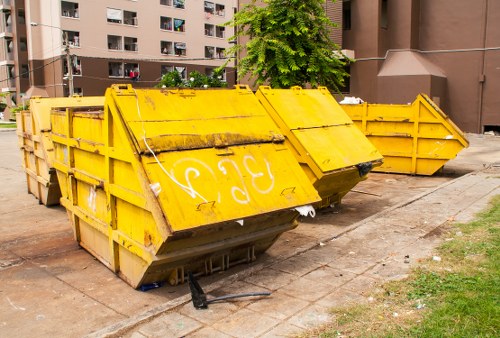
If you run a business in the capital, you already know that waste builds up quickly. Offices generate paper, packaging, and food waste. Shops produce cardboard, plastic wrap, and damaged stock. Hospitality venues deal with mixed rubbish every day. Workshops, clinics, estates, and building sites all have their own waste streams too. That is why Commercial Waste Collection in London matters so much: it keeps your premises clear, your operations moving, and your site more presentable for staff, customers, tenants, and visitors.
Choosing a local commercial waste service is not just about getting bags removed. It is about finding a dependable team that understands London’s pace, its tight streets, restricted loading bays, traffic delays, and the practical demands of working in a city where space is always at a premium. From small independents to multi-site operators, businesses want a collection service that is straightforward, compliant, and flexible enough to match real trading hours.
Need a collection arranged for your premises? Contact us today to request a free quote and discuss the right waste solution for your site.
What commercial waste collection covers

Commercial waste collection covers the removal of non-household waste produced by businesses, organisations, and institutions. In London, this can include everything from daily office refuse to bulky items from retail refits. It may also involve scheduled bin collections, one-off clearances, or tailored arrangements for premises with higher volumes or stricter access requirements.
For many customers, the service includes the regular uplift of general business waste, recycling, and food waste. Depending on the property and the type of work carried out, it can also include confidential materials, packaging waste, light construction waste, and other specialist streams. The key point is that the collection should match the nature of your site rather than forcing you into a one-size-fits-all arrangement.
London businesses often need a service that can adapt to mixed-use buildings, shared entrances, basement storage, rear service roads, and loading restrictions. A local provider that understands these details can make daily waste management much simpler, especially in dense areas where every minute and every metre of space counts.
Why businesses across London need a local waste partner

London is a city of contrasts: glass-fronted offices in the City, independent restaurants in Camden, retail units in Stratford, workshops in Southwark, and office parks in Croydon. Each type of business creates waste in a different way. A local waste collection company is useful because it can respond to those differences with practical service options rather than generic schedules.
Another advantage is familiarity with local conditions. In central and inner London, access can be limited by narrow roads, congestion, controlled parking zones, and delivery time restrictions. In outer boroughs, the issue may be different: larger sites, shared compounds, or lower staffing levels at off-peak times. A local team is more likely to plan around these realities, which helps reduce missed collections and unnecessary disruption.
There is also a compliance benefit. Commercial waste has to be handled properly, and businesses are responsible for ensuring their rubbish is collected, stored, and transferred in line with relevant requirements. Commercial waste collection in London should give you peace of mind that your site is being kept tidy while your waste is managed appropriately.
Types of commercial customers we help
Offices, retail, hospitality, and more
Different London businesses need different waste solutions. Offices in areas like Westminster, Shoreditch, Holborn, and Canary Wharf often need regular collections for paper, packaging, food waste, and general rubbish from kitchens and break rooms. Retail stores may need help with cardboard, shrink wrap, damaged goods, and display material after deliveries or seasonal changes.
Restaurants, cafés, pubs, and hotels produce a steady flow of food waste, glass, packaging, and mixed refuse. These premises often need collections arranged around opening hours, delivery periods, and staff changes. Industrial units, studios, trade counters, and light manufacturing premises may need larger containers or more frequent uplifts to keep workspaces safe and usable.
We also support landlords, managing agents, facilities teams, and block managers who need a dependable way to handle waste for shared buildings, commercial units, and mixed-use properties. Where several occupiers use the same storage area, it helps to have a collection plan that is clear and easy to maintain.
What is included in the service
Practical support that keeps waste moving
A good commercial waste collection service should do more than simply empty containers. It should provide a structured arrangement that suits your premises and helps reduce day-to-day hassle. Depending on your needs, the service may include regular scheduled collections, ad hoc removals, mixed waste handling, recycling collection, and advice on how to separate materials more effectively.
- Regular bin or bag collections tailored to your site
- General business waste removal
- Recycling collection for suitable materials
- Food waste collection where required
- Bulky waste removal for larger items
- Flexible one-off collections for busy periods or clear-outs
- Support for access-limited premises, courtyards, and service entrances
- Clear collection planning for recurring waste volumes
Some businesses also need help identifying the most suitable container sizes or collection frequency. If your waste levels rise at certain times of year, such as during trading peaks, stock changes, or refurbishment works, it may be possible to adapt the arrangement so your premises do not become overloaded.
How the collection process works
Simple steps for busy teams
Most customers want a process that is easy to understand and easy to manage. That is especially important in London, where reception teams, site managers, and business owners often juggle multiple responsibilities. A straightforward waste collection arrangement should feel organised from the start.
Typically, the process begins with an enquiry about your premises, waste type, and collection needs. The next step is to review the right service level for your site, taking into account access, storage space, volumes, and how often waste is produced. Once a collection plan is agreed, bins or containers can be positioned appropriately and collections can begin on a suitable schedule.
During ongoing service, the goal is consistency. Waste should be removed on time, storage areas should stay manageable, and your team should not have to spend unnecessary hours chasing collections or dealing with overflowing containers. When the system works well, it becomes one less thing to worry about.
Why London access and parking matter
Practical planning for local conditions
Access is one of the biggest differences between waste collection in London and waste collection elsewhere. A site in central London might have no dedicated parking, limited loading windows, or a rear alley that can only be used at certain times. A business in areas such as Islington, Kensington, Lambeth, or the City may also need collections coordinated around congestion and restricted stopping zones.
Parking and loading issues can affect how quickly waste is collected and how smoothly a service runs. For businesses in converted buildings, basement units, mews properties, or older commercial premises, it may be necessary to plan the route from storage point to vehicle access carefully. This is especially true where waste must be carried through internal corridors, shared hallways, or narrow side passages.
A local provider that understands these pressures can help avoid common problems such as missed lift-outs, blocked entrances, or waste left in unsuitable places. That practical experience is one reason many businesses prefer a nearby team for commercial waste collection in London rather than a service that does not understand the capital’s layout.
Areas covered across London
Serving central, inner, and outer boroughs
Commercial waste needs are not limited to one part of the city. Businesses across Central London, East London, North London, South London, and West London all need dependable collection support. Whether you operate near the West End, in a business district, on a high street, or within an industrial estate, a local service should be able to build around your location and access needs.
Typical service areas may include busy commercial zones and mixed-use neighbourhoods such as Shoreditch, Clerkenwell, Soho, Paddington, Fulham, Brixton, Hackney, Camden, Southwark, Greenwich, Wandsworth, Hammersmith, Croydon, Ealing, Stratford, Wembley, and Canary Wharf. The exact collection pattern will depend on the site, the volume of waste, and the type of business operation.
For many London customers, the benefit of a wide local reach is not only convenience. It also means one waste partner can support different branches, managed buildings, or trading sites without the need to coordinate multiple suppliers for different boroughs.
Pricing factors and what affects your quote
What businesses should expect
Commercial waste collection prices vary because every site is different. The main factors usually include the type of waste being removed, how often collections are needed, the volume produced, and how easy it is to access the container or storage area. A restaurant with frequent food waste and packaging may have very different needs from a small office with a few bins each week.
Other pricing factors can include the number and size of bins, whether collections are scheduled or ad hoc, whether the site is in a difficult access location, and whether specialist handling is required. For example, a basement storage area, a rooftop waste point, or a shared courtyard may need more time than a straightforward front-of-building collection.
It is usually best to request a tailored quote based on the real conditions at your premises rather than relying on assumptions. Request a free quote so your collection plan can be shaped around your actual waste output, not a generic estimate.
Benefits of keeping commercial waste under control
Cleaner premises, smoother operations, better presentation
Good waste management has a direct effect on how a business looks and feels. Overflowing bins create clutter, unpleasant odours, and a poor impression for staff and visitors. On the other hand, regular collections help keep entrances, back-of-house areas, and shared service spaces cleaner and more manageable.
There are also operational benefits. Staff can work more efficiently when waste does not pile up in storage rooms or service corridors. Health and safety risks are easier to reduce when rubbish is removed consistently. For customer-facing businesses, tidy waste handling supports a more professional image, especially where clients, tenants, or members of the public pass through the site daily.
In London, where space is often tight and buildings are used intensively, the right collection service can have a noticeable impact. It can free up storage, reduce friction between occupiers, and make it easier to maintain a pleasant environment in and around the premises.
How to prepare for your collection
A simple checklist for busy premises
Preparing properly helps collections run smoothly and reduces the chance of delays. Even a few small steps can make a big difference, particularly if your premises have limited access or shared storage. If several people are responsible for putting out waste, it is useful to agree a clear routine so everyone knows what goes where and when it should be ready.
- Confirm where waste is stored and how collection crews will access it.
- Keep the waste area clear of obstacles, locked gates, or parked vehicles where possible.
- Separate recycling and general waste if your service requires it.
- Break down cardboard and flatten packaging to save space.
- Keep food waste sealed and placed in the correct container.
- Remove any items that do not belong in the agreed waste stream.
- Let staff or site managers know the collection times and responsibilities.
For properties with restricted access, it can help to provide advance details about entry points, intercoms, basement routes, or loading arrangements. The clearer the setup, the easier it is to keep collections efficient.
Choosing the right waste arrangement for your site
Not every business needs the same service
One of the advantages of using a local commercial waste provider in London is flexibility. Some businesses need daily collections because they create high volumes of refuse. Others may only need a weekly uplift. A smaller office, professional practice, or studio might prefer a simple bin collection plan, while a larger hospitality site may need a more active service with multiple waste streams.
It is also worth thinking about how your premises operate throughout the week. Do you receive heavy deliveries on certain days? Do you close early on others? Is there a time when service access is easier than usual? A collection plan that reflects these realities is more likely to work well in practice.
Book your service now if you are ready to put a cleaner, more reliable waste routine in place for your London premises.
Who benefits most from a local commercial waste company
Businesses that need consistency and flexibility
Local commercial waste collection is especially useful for businesses that depend on regular, predictable service. That includes retail operators, cafés, restaurants, office managers, landlords, facilities teams, schools, medical premises, workshops, and trade businesses. It is also valuable for organisations that operate across multiple sites and want one consistent approach to waste handling.
Many London customers value a local team because it can respond to change more easily. If your volume increases, if your tenancy changes, if access conditions shift, or if you need an extra uplift during a busy period, a nearby provider is better placed to adapt. This flexibility can be particularly helpful for seasonal operations, event spaces, and businesses in developing commercial districts.
For mixed-use buildings and managed estates, the service can support cleaner communal areas and reduce complaints about waste storage. That matters in places where residential and commercial occupiers share access routes, service yards, or bin stores.
Frequently asked questions
Common questions from London businesses
How often should commercial waste be collected? The right frequency depends on how much waste your business produces and how much storage space you have. Busy hospitality and retail sites may need more frequent visits than smaller offices or studios.
Can collections be arranged around our opening hours? In many cases, yes. Businesses in London often need collections planned around trading times, deliveries, staff shifts, or access restrictions. This is one reason local knowledge is so valuable.
Do you handle recycling as well as general waste? Many commercial waste arrangements include recycling streams where suitable. The most practical setup depends on what your business produces and how materials are separated on site.
What if our premises are hard to access? Access challenges are common in London. Narrow roads, basement storage, service alleys, and limited parking all affect how collections are carried out. A local provider should be able to discuss your access details and plan accordingly.
Can one service cover multiple locations? Yes, many businesses prefer one waste partner for several branches or premises. This can make scheduling and account management simpler.
How do I know what waste type I have? If you are unsure, start by listing the main materials your business throws away: food waste, cardboard, packaging, paper, plastics, mixed rubbish, or bulky items. A provider can then help identify the most suitable arrangement.
Why choose a local company for commercial waste collection in London
Real-world advantages for real premises
There are many reasons businesses prefer a local team. The first is responsiveness. London businesses often need quick adjustments, clear communication, and practical support when their waste volumes change. A local provider is usually better placed to understand those pressures and act on them without delay.
The second is local experience. A team that regularly works in London is more likely to understand service roads, loading restrictions, shared access points, estate rules, and the realities of keeping collections efficient in dense urban areas. That knowledge can save time and reduce frustration for busy staff.
The third is service fit. Commercial premises vary widely across the city, from modern office towers to converted townhouses, from market units to industrial workshops. A local service can offer a plan that reflects your building type, your work pattern, and the needs of your staff and customers.
Arrange your commercial waste service
If your business needs a cleaner, simpler, and more dependable way to manage rubbish, now is a good time to take the next step. Whether you need routine collections, extra support during busy periods, or a better solution for a difficult site, a tailored service can make day-to-day operations far easier.
From offices and shops to restaurants, workshops, and managed buildings, Commercial Waste Collection in London should be practical, reliable, and suited to the way your premises actually work. A good local provider will help you choose the right setup and keep waste moving without unnecessary disruption.
Contact us today to request a free quote, discuss your collection needs, and book your service now.
Extra details London customers often want to know

Many local customers want reassurance about the everyday details before making an enquiry. For example, they want to know whether a collection can fit around a concierge desk, whether bins can be moved from a basement store, or whether a shared waste area in a block can be serviced without disturbing residents or neighbouring businesses. These are sensible questions, and they show why local planning is so important.
Customers also often ask how to make waste storage easier in a city like London, where space is limited. The answer usually involves a combination of better separation, more regular collections, and a collection point that is easy for staff to reach. When those things are aligned, waste becomes less of a daily problem and more of a routine process.
If you are reviewing your current arrangement, think about whether it truly suits your building and trading pattern. Are bins constantly overflowing? Is waste blocking access? Are staff spending too long moving rubbish around? If the answer is yes, it may be time to ask for a better planned service.
Request a free quote today and take the first step toward a more organised waste solution for your London business.