Waste Recycling in London
Waste recycling in London is more than a routine collection task. For homes, landlords, offices, shops, building sites, and hospitality venues, it is a practical way to keep properties clear, reduce unnecessary disposal, and make sure reusable materials are handled responsibly. In a city as busy and varied as London, recycling needs can change from street to street and from building to building. A terrace in Hackney, a flat in Westminster, a townhouse in Kensington, a warehouse in Wandsworth, or a shop unit in Southwark will each produce different waste streams and face different access challenges.
If you are looking for a local service that can handle mixed recyclable materials, bulky household items, office clearances, commercial packaging, or post-refurbishment waste, the right approach makes a real difference. Waste recycling in London should be convenient, compliant, and tailored to the realities of local properties. That means understanding loading restrictions, stair-only access, narrow mews streets, shared entrances, estate rules, parking permits, and the need to work around busy trading hours.
Whether you need a one-off collection or regular support, a reliable local team can help you separate materials properly, reduce landfill use, and free up space quickly. Contact us today if you are ready to request a quote or want to arrange a service that fits your schedule.
Why waste recycling matters for London properties
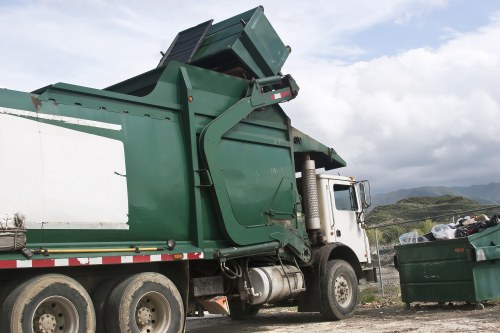
London produces a huge variety of waste every day, and not all of it should go into the same bin. Recycling helps recover materials such as paper, card, plastics, metals, glass, wood, and certain electrical items so they can be processed and reused. For local customers, that means less clutter on site, better use of space, and a more efficient way to handle waste from households and businesses.
In many parts of London, the challenge is not just what needs to be recycled, but how to move it. Period properties in Islington may have tight staircases and limited storage. Modern apartment blocks in Canary Wharf may have strict waste room rules. Retail premises in Camden or Brixton can generate large volumes of cardboard and packaging at peak times. Restaurants in Soho or King’s Cross may need frequent collections to avoid pile-ups behind the kitchen. A local recycling service is useful because it understands these pressures and can work around them.
Recycling also supports better property management. Landlords often need to clear tenant leftovers efficiently without damaging communal areas. Facilities teams need dependable removal for office fit-outs and refurbishments. Homeowners may want to clear garages, sheds, lofts, or garden waste without taking multiple trips to a recycling centre. In all of these cases, professional support can save time, reduce disruption, and make the whole process simpler.
Who uses waste recycling services in London?
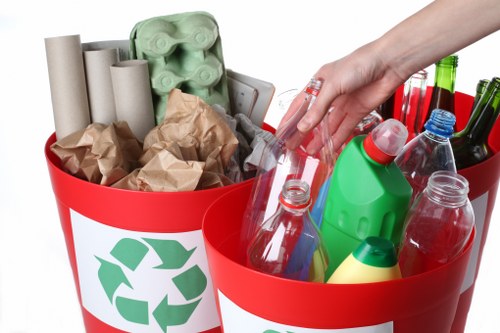
Waste recycling services in London are used by a wide mix of customers, each with different expectations and waste types. Understanding those needs helps ensure the service is practical and efficient from the start.
- Homeowners and tenants clearing unwanted furniture, old appliances, packaging, loft contents, or garden waste.
- Landlords and letting agents managing end-of-tenancy clearances, abandoned items, and preparation between lets.
- Offices and co-working spaces disposing of paper, electronics, desks, chairs, shelving, and confidential disposal items that require careful handling.
- Retailers and hospitality businesses producing cardboard, shrink wrap, damaged stock, fixtures, or kitchen-related waste.
- Builders, decorators, and tradespeople needing removal of mixed construction waste, timber offcuts, packaging, and renovation debris.
- Managing agents and estate teams dealing with communal area clearances, fly-tipped items, and bulky waste from shared buildings.
Because London properties range from basement flats to top-floor offices, a good recycling service has to be flexible. Access can be as important as the recycling itself. If lift access is restricted, if a building has timed entry windows, or if loading bays are limited, planning ahead avoids delays. That is one reason many local customers prefer a team familiar with London’s streets, building layouts, and day-to-day access issues.
For many customers, the key benefit is convenience. Instead of separating everything alone, carrying it out piece by piece, or making repeated drop-offs, a professional team can collect recyclable items from the property and sort them appropriately. Book your service now if you want a straightforward way to clear recyclable waste without the hassle.
What can usually be recycled?

The exact materials accepted will depend on the service and the condition of the items, but many common waste streams in London can be handled through recycling-focused collections. Customers often ask what can be separated and what should be treated as general waste, so it helps to be clear from the outset.
Common recyclable or recoverable items
Typical materials include cardboard, paper, scrap metal, aluminium, certain plastics, wood, clean packaging, and many types of electrical equipment. Office environments may also produce large amounts of paper archive waste, furniture, and IT items that can often be processed separately from general rubbish. Building projects often produce timber, metal fixtures, old fittings, and packaging from new materials.
Households may want to recycle bulky items such as wardrobes, tables, shelving, mattresses, white goods, and bagged mixed recyclables. Garden clearances can also generate branches, soil-filled planters, fencing, and broken outdoor furniture. The condition of the waste matters: items that are wet, contaminated, or mixed with food residue may need different handling. A local team can advise what is suitable for recycling and what must be segregated as non-recyclable waste.
Items that need extra care
Certain materials require special handling. These may include fridges and freezers, televisions, fluorescent tubes, paint tins, batteries, and some electrical or hazardous items. These do not simply go into a standard mixed load. They may need separation, specialist transfer, or controlled disposal pathways. If you have any of these items, it is sensible to mention them when arranging collection so the right vehicle, labour, and process can be used.
Tip: If you are unsure whether something is recyclable, keep it aside rather than placing it with the wrong material. A small amount of preparation can improve efficiency and help the team process your waste correctly on arrival.
How waste recycling in London works
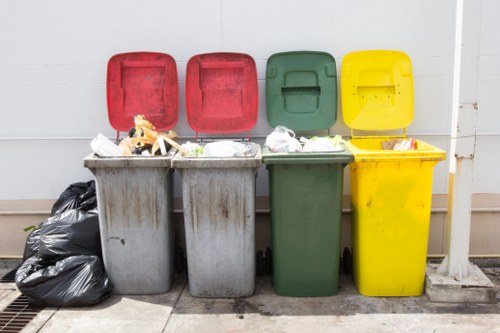
A good local recycling service should be clear, practical, and easy to arrange. Most customers want to know what happens before the team arrives, what the collection includes, and how the process will affect their day. The aim is to keep it simple.
- Initial enquiry – You describe the waste, the property type, access details, and preferred timing.
- Assessment – Based on the volume and type of materials, the service can determine the right approach for collection and recycling.
- Arrival and loading – The team arrives at the arranged time and removes the items from the agreed location, whether that is a home, office, shop, or site.
- Sorting and separation – Recyclable items are separated from general waste where possible, helping reduce unnecessary disposal.
- Transport and processing – The materials are taken for appropriate recycling or recovery routes, depending on their type and condition.
For many London customers, time is the biggest concern. Traffic, parking restrictions, and building access can all affect the collection window. A local team that already understands routes around Central London, East London, South London, and West London can plan more effectively and reduce delays. This matters if you are trying to clear a property before a move, make room for incoming stock, complete an office refurbishment, or hand back a commercial unit by a deadline.
What is included? In many cases, customers want more than just removal. They want a team that can carry items from inside the property, work around stairs or lifts, handle bulky loads safely, and leave the area tidy once the waste has been taken away. That practical support is often what makes a local recycling service worthwhile.
Local access, parking, and property challenges across London
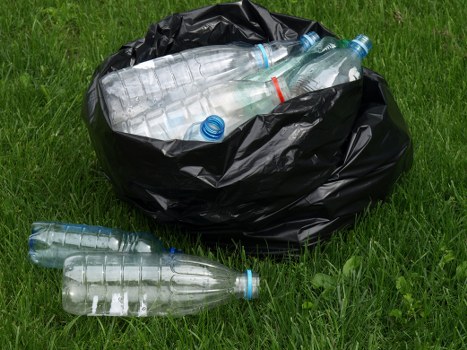
London is not a one-size-fits-all city. A recycling service that works well in one borough may need to adapt completely in another. That is why local knowledge matters so much. Some properties have no driveway, no lift, and no direct roadside access. Others are on busy high streets where stopping time is limited. Many customers need a service that can respond to the physical reality of the building rather than a perfect collection scenario.
Common challenges local teams deal with
- Narrow terraced streets where large vehicles cannot easily stop outside the property.
- Permit-only parking areas and controlled loading spaces.
- Basement and upper-floor flats with limited stair access.
- Shared entrances, concierge desks, and estate rules that require advance planning.
- Commercial premises that can only allow collections outside trading hours or during quieter periods.
- Construction or refurbishment sites with changing access points and temporary restrictions.
Because of these issues, waste recycling in London works best when the service is coordinated around the property, not the other way around. That can mean arranging collections early in the day, timing them between customer appointments, or planning around school runs, deliveries, and contractor access. For many local customers, this kind of flexibility is a major reason to use a nearby company rather than trying to manage everything alone.
Practical local support also helps reduce stress. If your waste is piled in a hallway, stored in a rear yard, or placed in a communal bin store, the team needs to know in advance so they can prepare the right equipment and labour. Good communication before the visit leads to a smoother collection on the day.
Why choose a local London recycling company?
Benefits for residential customers
Homeowners and tenants often choose a local company because it offers convenience and speed. When you are clearing a flat in Clapham, a house in Ealing, or a family property in Leyton, you want a service that can work around your timetable. Local teams are also helpful when access is difficult, when items need to be removed from multiple rooms, or when there is too much waste to manage through normal household bins.
For residential customers, the main benefits can include:
- Less time spent moving items yourself.
- Support with bulky or awkward waste.
- A single collection for mixed recyclable materials.
- Help with end-of-tenancy clearances and move-out preparation.
- Reduced stress when dealing with loft, garage, or shed waste.
Benefits for commercial customers
Businesses need a service that is dependable and discreet. Offices in the City, cafés in Shoreditch, retailers in Oxford Street areas, and workshops in South London all need waste removed without disrupting customers or staff. A local recycling team can often respond faster, arrive with better knowledge of the area, and work around opening hours or loading schedules.
Commercial customers commonly value:
- Regular or one-off collections that fit the business day.
- Removal of packaging, stock waste, furniture, and fittings.
- Support with office moves, refits, and closures.
- Efficient handling of larger volumes.
- A practical service that keeps work areas safer and clearer.
Local knowledge also helps when a building is shared by several tenants or when collections must be coordinated through a facilities manager. A London-based team understands the pace and restrictions of local commercial life, which can make the process easier from start to finish.
What affects the cost of waste recycling?
Many customers want an idea of how pricing is worked out before they book. While exact prices vary from job to job, the main factors are usually straightforward. Being clear about these in advance helps ensure the quote reflects the actual job rather than a rough guess.
Typical pricing factors
- Volume – The amount of waste or recyclable material that needs collecting.
- Type of items – Bulky furniture, mixed materials, electricals, or specialist items may affect the job.
- Access conditions – Stairs, long carries, no parking, or restricted entry can influence labour time.
- Sorting requirements – Waste that needs extra separation may take more time to process.
- Timing – Same-day or urgent collections may need more flexible scheduling.
- Location – Busy central areas, controlled parking zones, and traffic-heavy routes can affect planning.
To get the most accurate quote, it helps to describe the waste as clearly as possible. Photos can be useful when permitted, especially for mixed loads or larger clearances. Mentioning access details upfront saves time and helps avoid surprises on the day. If there are items in a basement, rear yard, or upper-floor flat, say so early so the team can estimate the job properly.
Request a free quote when you are ready, and make sure to include the details that matter most: quantity, item types, access, and preferred collection date. That gives you a more useful answer and helps the service plan efficiently.
How to prepare for a recycling collection
A small amount of preparation can make waste recycling in London faster and more efficient. You do not usually need to do everything yourself, but a few simple steps help the team work safely and avoid delays.
Preparation checklist
- Separate recyclable items from general rubbish where possible.
- Keep electricals, batteries, and specialist items apart if you have them.
- Make sure items are accessible and not blocked by furniture or boxes.
- Check building access instructions, entry codes, and loading rules in advance.
- Reserve parking or loading space where this is allowed and appropriate.
- Tell the team about stairs, lifts, narrow entrances, or rear access.
- Remove personal documents or valuables from office and household items.
- Flag any heavy or awkward items that may require extra handling.
If you live in a flat, it can help to let neighbours or concierge staff know that a collection is expected, especially if items will be moved through shared areas. For businesses, it is often useful to organise the collection around quieter periods to avoid interruptions for staff and customers.
Important: If your property is in a managed block or commercial estate, check whether there are collection rules for contractors and waste vehicles. A few minutes of preparation can prevent avoidable delays on the day.
Areas covered across London
Waste recycling services are often needed across a wide mix of London neighbourhoods, from central districts to outer boroughs. Local customers may be based in dense urban streets, new-build developments, retail corridors, industrial estates, or quieter residential roads. The right service should be able to adapt to all of them.
Typical areas covered may include, but are not limited to:
- Central London locations such as Westminster, Holborn, the City, and Covent Garden.
- North London areas including Islington, Camden, Barnet, and Haringey.
- East London neighbourhoods like Hackney, Tower Hamlets, Newham, and Waltham Forest.
- South London districts such as Lambeth, Southwark, Lewisham, and Greenwich.
- West London communities including Kensington and Chelsea, Hammersmith and Fulham, Ealing, and Hounslow.
- Outer borough and suburban locations where access and collection logistics may vary by street and property type.
Because every borough has its own parking, traffic, and building mix, a local service is especially useful when timing matters. Whether you are clearing a single room or managing a larger mixed load, the best results usually come from a team that already understands the practical side of London collections.
Need help planning a collection? Contact us today to discuss your waste recycling needs and arrange a convenient time.
FAQs about waste recycling in London
Can you collect mixed recyclable materials?
Yes, many collections can handle mixed recyclable materials, provided the waste is described clearly and any special items are flagged in advance. It helps if the load is as well organised as possible, but you do not always need to sort everything perfectly before the team arrives.
Do I need to move the waste outside before collection?
Not necessarily. In many cases, the team can remove items from inside the property, including flats, offices, shops, and storage areas. However, access details should be confirmed beforehand so the collection can be planned properly.
What if I have bulky furniture or large office items?
Bulky items are very common in London recycling collections. Desks, chairs, wardrobes, shelving, tables, and similar items can often be removed as part of the service, depending on their condition and material type.
Can you help with end-of-tenancy waste?
Yes, end-of-tenancy clearances are one of the most common reasons people arrange waste recycling in London. It is useful for tenants, landlords, and agents who need to clear a property quickly and responsibly before handover.
What about electrical items and appliances?
Many electrical items can be collected and processed separately, but they should be mentioned in advance. Items such as fridges, freezers, televisions, and batteries often need special handling, so it is important to list them when requesting a quote.
How much notice do I need to give?
Lead times can vary depending on demand, the size of the collection, and access requirements. If your job is time-sensitive, it is best to enquire as early as possible. For more routine collections, advance booking can help secure a slot that suits you.
Is this suitable for businesses as well as homes?
Yes. Residential and commercial customers both use recycling services in London. Offices, retail units, hospitality venues, and construction projects often need regular or one-off collections tailored to their waste volume and access conditions.
What should I mention when requesting a quote?
Be ready to share the type of waste, approximate volume, location within the property, access details, parking restrictions, and any special items. The clearer the information, the easier it is to provide an accurate response.
Choosing a service that fits your London property
When customers look for waste recycling in London, they are usually looking for more than collection alone. They want a service that fits around their property, schedule, and responsibilities. That may mean dealing with a tight stairwell in a converted townhouse, a shared waste store in a modern block, a retail stockroom behind a busy shopfront, or a building site with limited vehicle access.
The best local service is one that listens to the details, explains what can be recycled, and works in a way that reduces disruption. It should help you clear space, manage your materials properly, and keep the process straightforward. Whether you are dealing with household clutter, office clearance waste, or commercial packaging, local expertise can make the job easier.
What customers usually want most is reliability, flexibility, and a practical approach. They want the waste removed safely, the recyclable materials handled correctly, and the collection completed without unnecessary hassle. That is why so many London residents, landlords, and businesses choose a nearby team for their waste and recycling needs.
If you are ready to clear recyclable waste from your property or workplace, book your service now or request a free quote. A local team can help you plan the collection, prepare the load, and get the job done with minimal disruption.
Final note for local customers
Waste recycling in London works best when the service is built around the realities of the city: tight access, varied property types, busy roads, and different types of waste generated every day. With the right local support, recycling becomes easier to manage, better organised, and far less time-consuming for homes and businesses alike.