Sofa Removal in London
If you are looking for Sofa Removal in London, you are probably dealing with one of those jobs that sounds simple until you actually have to move the sofa. A two-seater that will not fit through the hallway, a bulky corner unit in a top-floor flat, a wet-weather curbside pickup, or an office waiting-room suite that needs clearing before a fit-out can all turn a quick task into a frustrating one. That is exactly why a local sofa removal service matters: it gives you a practical, organised way to get the item out of your property without damaging walls, floors, lifts, stairwells, or your own back.
Across London, homes and workplaces come in all shapes and sizes. From Victorian terraces in Clapham and Islington to mansion blocks in Kensington, converted warehouses in East London, suburban houses in Wimbledon, and offices in Canary Wharf, every property brings its own access challenges. A professional team understands tight staircases, controlled entry systems, parking restrictions, and the need to work around neighbours, building managers, and time limits. If you need a sofa collected quickly, safely, and with minimal disruption, this service is designed for exactly that.
Many customers also need more than simple lifting. They want an option for bulky item collection, furniture disposal, or help removing an old sofa as part of a move, refurb, clear-out, or end-of-tenancy turnaround. Some sofas are still in usable condition and can be directed towards reuse pathways where appropriate, while others need to be handled as waste under the right disposal arrangements. Either way, the aim is the same: make the process straightforward, efficient, and suitable for London living.
Why sofa removal in London is different
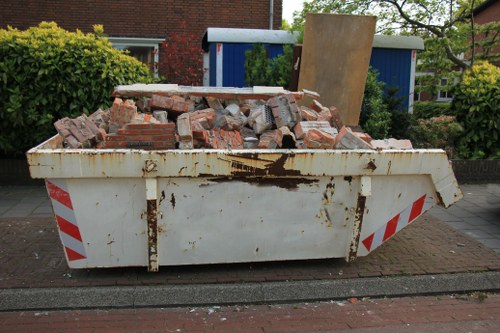
London is not a city of wide driveways and easy loading bays. Many customers are dealing with restricted parking, controlled zones, narrow residential streets, busy main roads, or estates where access is managed through gates or timed entry. Even when the sofa itself is not especially heavy, getting it out of the property can require planning, careful handling, and the right vehicle access. That is why a local team can be so helpful: they know what the city is like on the ground and can adapt to the realities of urban removals.
Another factor is property type. A sofa removal job in a ground-floor flat in Hackney is very different from a job on the fifth floor of a building in Southwark with no lift. In some parts of London, hallways are extremely narrow and staircases twist sharply, making it difficult to angle a sofa out in one piece. In others, lift dimensions, loading rules, or concierge procedures can slow things down. Experienced movers and removal teams usually plan for these issues in advance so the job does not become a last-minute scramble.
There is also the question of timing. London customers often need collections arranged around work schedules, school runs, building access hours, landlord inspections, office opening times, or same-day property handovers. A well-run removal service understands that flexibility matters. Whether you are clearing one sofa from a flat or several items from a commercial premises, the process should fit your schedule instead of disrupting it.
What our sofa removal service includes

A proper sofa removal service should cover more than just lifting the item into a vehicle. Customers usually want a complete, stress-free solution from start to finish. That can include collection from inside the property, careful manoeuvring through tight access points, loading, transport, and appropriate disposal or onward handling depending on the condition of the furniture. In some cases, the job may involve removing the sofa from a basement, loft room, office suite, reception area, or storage unit.
Many London customers also ask for help with associated items. A sofa rarely exists in isolation; it may be part of a wider living room clear-out or office furniture removal. For that reason, a service may also be suitable when you need to get rid of armchairs, footstools, sofa beds, corner units, modular seating, or other bulky household items. If your project includes more than one piece, it can be more efficient to arrange everything in one visit rather than booking separate collections.
Depending on the service provider and the condition of the item, collection may be arranged for reuse, recycling, or waste handling. A useful local service will be clear about what can be taken, what preparation is needed, and how the sofa will be managed once removed. This keeps the process straightforward for customers and helps avoid confusion on the day of collection.
Who uses sofa removal services in London?

Sofa removal is not just for people throwing away old furniture. In London, a wide range of customers rely on this kind of service. Private residents often use it when moving home, replacing damaged furniture, or clearing an item that simply no longer suits the space. Landlords and letting agents may need collections between tenancies, especially where a sofa has been left behind or needs to be removed before decorating or photographing a property. Estate managers and block managers may also arrange collections for communal or vacant units.
Commercial customers have similar needs. Offices, studios, hospitality venues, serviced apartments, and co-working spaces may need soft seating removed as part of a refurbishment, rebrand, or clearance before new furniture arrives. Shops and showrooms sometimes need display seating taken away quickly to make room for a new layout. Because London businesses often work to short timeframes and controlled access windows, a reliable local removal team can make a real difference.
There are also practical, everyday situations that lead to a booking. A sofa may not fit into a new property, an old unit may be broken beyond repair, a sofa bed mechanism might be damaged, or a stairwell move may have failed partway through. Whatever the reason, the need is often urgent, and customers want a service that can respond efficiently without creating extra hassle.
How the process works

The process is usually simple, but the details matter. A good sofa removal job in London normally begins with a few basic questions: what type of sofa needs to be removed, where it is located in the property, what access is available, and whether there are any parking or loading restrictions. These details help the team determine the right approach and reduce the risk of delays on collection day.
On the day itself, the team will arrive prepared to assess the item and the route out of the property. If the sofa needs to be dismantled to get through a doorway or around a tight corner, that may be possible depending on the item and access. The aim is to remove the furniture safely and efficiently while protecting the property as much as possible. For many customers, this is the biggest benefit of hiring professionals: you do not have to wrestle a bulky item down a staircase yourself.
Once the sofa is loaded, it is taken away for the next appropriate step, which may involve reuse, recycling, or disposal. The customer can then reclaim the space immediately, which is especially useful if you need to prepare a room for decorating, make room for a delivery, or finish a move-out on time. For busy London households and businesses, that time-saving aspect is often just as valuable as the lifting itself.
Preparing for sofa removal
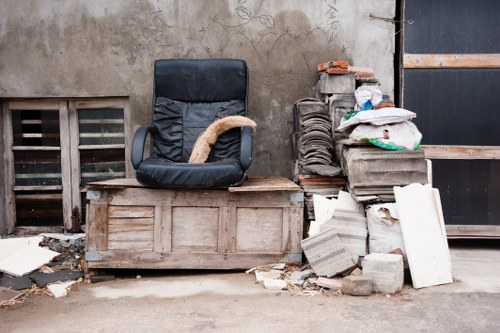
Preparing properly can make the collection quicker and smoother. It does not usually require much effort, but a little organisation helps a great deal, especially in London where access can be limited. If you know your sofa is being collected, it is worth making sure hallways are clear, fragile items are moved out of the way, and the route from the sofa to the exit is as open as possible. This reduces the chance of accidental bumps and speeds up the job.
For flats and apartments, it can help to check lift access in advance, notify a concierge or building manager if needed, and confirm any parking instructions. In some London boroughs, parking can be one of the biggest variables in the whole job, so being clear about where the collection vehicle can stop is helpful. If the sofa is in a room with limited space, moving smaller items beforehand may also make the removal easier. The same applies to office environments, where desks, boxes, and cables may need to be cleared from the route.
If your sofa is still usable and you are hoping it can be passed on for reuse where appropriate, it is sensible to keep it reasonably clean and dry and to mention any relevant condition details when arranging collection. If it is heavily damaged, wet, or broken, that should be explained too. Honest information from the start helps the removal team prepare properly and avoids complications on site.
Simple preparation checklist
- Clear the path from the sofa to the exit
- Move small furniture, lamps, and ornaments out of the way
- Check lift availability and access times where relevant
- Arrange parking or loading details if required
- Measure tight stairways or doorways if you suspect access is difficult
- Tell the team if the sofa is a sofa bed, corner unit, or modular design
- Inform them of any building rules, concierge requirements, or time restrictions
Pricing factors for sofa removal
Customers often want to know what affects the cost of sofa removal in London. Exact figures vary by provider and job type, but several factors typically influence the quote. The most obvious is the size and type of sofa. A compact two-seater, a large corner sofa, a heavy recliner, and a sofa bed all require different handling. Weight, awkward shape, and whether the sofa can be dismantled all matter.
Access is another major factor. A ground-floor collection with nearby parking is generally easier than a fifth-floor flat with no lift and a long carry. London access issues can include stair-only buildings, basement flats, pedestrianised streets, narrow mews roads, limited stopping time, and building rules that restrict when collections can take place. The more difficult the access, the more time and effort the job may require.
Other elements that may affect pricing include whether the item is part of a larger clearance, whether multiple sofas or other bulky items are being removed, and whether the job needs special scheduling. Some customers want early morning, evening, or weekend collections to fit around work or building access windows. A reliable company should explain the main factors clearly before the booking is confirmed, so you know what is included and what to expect.
Common factors that can influence a quote
- Type and size of the sofa
- Floor level and lift access
- Parking distance and loading restrictions
- Need for dismantling or special handling
- Number of items to be removed
- Urgency and preferred time slot
- Whether the job is residential or commercial
Why choose a local London company?
Choosing a local company for sofa removal in London offers several practical advantages. First, a local team understands the city’s layout and the reality of moving bulky items through busy streets and crowded neighbourhoods. They are more likely to be familiar with the kinds of access problems common in areas such as Camden, Battersea, Shoreditch, Ealing, Greenwich, Hammersmith, and Walthamstow. That knowledge can save time and reduce avoidable stress.
Local providers are also better placed to work around the timing and logistics that London customers face. If you live in a converted flat, manage a commercial unit, or are moving out of a property on a tight deadline, a local removal team is more likely to understand what needs to happen and how to do it without wasting your day. That can be especially important where there are landlord deadlines, end-of-tenancy requirements, or refurbishment schedules.
There is also an environmental and practical benefit. When a service operates locally, collection routes can be more efficient, and the team may be able to respond faster when a job needs arranging at short notice. For customers with limited time, that responsiveness is a major advantage. You are not simply booking a van; you are getting a service that is built around London conditions.
Benefits customers often value most
- Less stress on collection day
- Better handling of London parking and access issues
- Faster response for urgent removals
- Suitable for homes, flats, offices, and managed buildings
- Clearer communication about what is included
Areas covered across London
A strong local sofa removal service should be able to cover a wide spread of London neighbourhoods, because customer needs are not limited to one part of the city. Whether you are in North, South, East, or West London, the same kind of practical support is often needed: collection from a flat, terrace, townhouse, office, or commercial unit, with attention to the property layout and access points.
Common service areas can include central and inner London locations as well as surrounding districts and residential neighbourhoods. Customers may live in areas such as Westminster, Chelsea, Lambeth, Fulham, Lewisham, Brent, Richmond, Haringey, Tower Hamlets, Newham, and beyond. The exact route and approach depend on the collection point, but the local value remains the same: a team that knows London’s streets, buildings, and traffic patterns can plan more effectively.
If you are unsure whether your area is covered, the best approach is to make an enquiry and describe the property type, access, and item details. That information is often enough to confirm whether the job can be handled and what practical arrangements are needed. For customers across Greater London, this keeps the process simple and avoids unnecessary back-and-forth.
Residential sofa removal for London homes
For homeowners, tenants, and landlords, sofa removal is often part of a wider moment of change. You might be replacing a worn-out sofa after years of use, clearing out a property before new occupants move in, or removing furniture that no longer fits the layout of a newly refurbished room. London homes vary widely, which makes it important to have a service that can work with everything from compact studio flats to larger family homes.
Tenants often need sofa removal at the end of a tenancy, especially if an item has been left behind or can no longer be used. Landlords may need a quick clearance before maintenance or redecoration begins. Homeowners, meanwhile, may need help after a delivery goes wrong, a move becomes more complicated than expected, or a sofa simply reaches the end of its life. In each case, a professional removal service can save time and avoid injury or damage.
Residential customers also appreciate that the service can be arranged with minimal disruption to the rest of the household. That matters if you are juggling children, remote work, pets, or neighbours in close proximity. A calm, well-organised collection is usually much easier than trying to move the item yourself with friends and improvised equipment.
Commercial sofa removal for businesses and organisations
Businesses in London often need sofa removal for reasons that are just as practical as those faced by homeowners. Offices may replace reception seating or clear an old breakout area during a refit. Hotels and serviced apartments may need worn furniture taken away between room updates. Restaurants, lounges, clinics, and studios sometimes need bulky seating removed quickly to keep the premises functional and presentable.
Commercial collections often require careful timing. The job may need to be completed before opening hours, after closing time, or within a narrow delivery window. There can also be building management considerations, especially in shared office blocks, retail centres, or managed commercial premises. A service that understands those constraints can help businesses avoid delays and keep operations moving.
For organisations that deal with regular furniture changes, it is helpful to work with a company that can handle single-item removals as well as larger clearances. That flexibility matters when a business needs to respond quickly to changing layouts, staffing needs, or refurbishment plans.
What types of sofas can usually be removed?
Most common sofa styles can be handled by a professional removal team, though the exact approach depends on the item and access. Standard two-seaters and three-seaters are common, as are corner sofas, sofa beds, recliners, chaise units, modular seating, and settees. Some are straightforward; others require more planning because of size, weight, or internal mechanisms.
The condition of the sofa also matters. If it is broken, sagging, stained, water-damaged, or missing parts, that may influence how it is moved and where it can be taken next. A useful service should be able to explain how different items are handled and whether they need to be separated, dismantled, or carried in a particular way. If you are not sure whether your item qualifies, it is still worth asking. Many jobs are more manageable than customers expect once the details are assessed properly.
Typical items often collected alongside sofas include armchairs, footstools, ottomans, coffee tables, TV units, mattresses, and other bulky household furniture. If you are clearing a room, it may be more efficient to have these removed at the same time rather than arranging multiple visits.
How to choose the right service
When selecting a company for sofa removal, customers usually want a combination of reliability, clarity, and local know-how. Look for a service that explains what is included, asks practical questions about access, and gives you a straightforward path to booking. You should feel confident that the team understands your property type, whether you are in a basement flat, a top-floor apartment, a house conversion, or a commercial building.
It is also wise to choose a provider that is transparent about preparation and collection requirements. If the sofa needs to be dismantled, if parking is difficult, or if building access is restricted, these details should be discussed in advance. Good communication is especially important in London, where one missed detail can affect the timing of the entire job.
Finally, think about whether the service suits your wider needs. Are you removing just one sofa, or several items? Is this a one-off collection or part of a bigger clearance? Do you need the work done urgently or around a specific schedule? A service that can adapt to those needs will usually feel much easier to work with.
Questions worth asking before you book
- Can you collect from my floor level and building type?
- What access or parking information do you need from me?
- Can you handle sofa beds, corner sofas, or modular units?
- Do I need to prepare anything before collection day?
- Can the collection fit around my preferred time window?
Frequently asked questions
Do I need to move the sofa outside before collection?
Usually not. In most cases, the sofa can be collected from inside the property, provided there is clear access and enough room for the team to safely remove it. If access is difficult, mention that when booking so the plan can be adjusted accordingly.
Can you remove a sofa from a flat with no lift?
Yes, many London collections involve stair access only. However, the floor level, stair width, turns, and landing space should be shared in advance so the removal can be planned properly.
What if my sofa is too large for the doorway?
If that is likely, tell the team before collection day. Some sofas can be dismantled; others may need to be handled in sections. A quick assessment can help determine the safest route out.
Do you remove sofa beds and corner sofas?
These are common removal jobs. Because they can be heavy or awkward, it helps to provide the exact type and size when you enquire.
Can a used sofa be reused or recycled?
That depends on its condition and the service provider’s handling options. Some sofas in reasonable condition may be suitable for reuse pathways, while damaged items are more likely to require disposal or recycling arrangements.
How much notice do I need to give?
That depends on availability and the urgency of your job. If you need a quick turnaround, it is still worth making an enquiry as soon as possible so the team can advise on options.
Do you handle commercial sofa removals?
Yes, many London businesses need reception seating, breakout furniture, or lounge sofas removed during refits, closures, or clearances. Commercial access details should be shared in advance.
Book sofa removal with confidence
If you are ready to clear space, replace old furniture, or deal with a bulky item that is causing problems, Sofa Removal in London should be simple, organised, and built around your property and schedule. The right team will understand London access issues, work efficiently, and give you a clear plan from enquiry to collection. That is especially valuable when you need the job done without delays, damage, or unnecessary hassle.
Whether you are a tenant clearing a flat, a landlord preparing a property, a homeowner replacing furniture, or a business managing a refit, local sofa collection can save time and remove a major burden from your to-do list. You do not need to struggle with awkward angles, stairwells, or parking worries on your own.
Contact us today to request a free quote, discuss your collection details, and arrange a service that works for your London property. Book your service now and take the stress out of removing that bulky sofa.
Whether it is one item or part of a larger clearance, a well-planned collection can make a big difference to your day.