Furniture Removal and Collection in London
If you are looking for furniture removal and collection in London, you probably want something straightforward: a service that turns up when expected, handles heavy items safely, and makes the whole process feel less stressful. Whether you are clearing a flat in Islington, replacing office desks in Canary Wharf, or getting rid of an old sofa from a Victorian terrace in Clapham, the right local team can save you time, effort, and a lot of disruption.
London homes and businesses come with their own challenges. Narrow staircases, tight hallways, shared entrances, parking restrictions, lift access, and busy roads all affect how furniture is removed. That is why a local furniture collection service is so useful. It is built around practical realities, not just the idea of moving a chair or two. It is about planning, safe lifting, responsible disposal, and keeping your property tidy throughout the job.
From single bulky items to full room clearances, furniture removal should be a service that fits your schedule and the way you live or work. If you need help with a one-off collection, an end-of-tenancy clear-out, or the removal of damaged office furniture, this page explains what to expect, what is usually included, and how to prepare. If you are ready to clear space now, contact us today or request a free quote to get started.
Why people book furniture collection in London
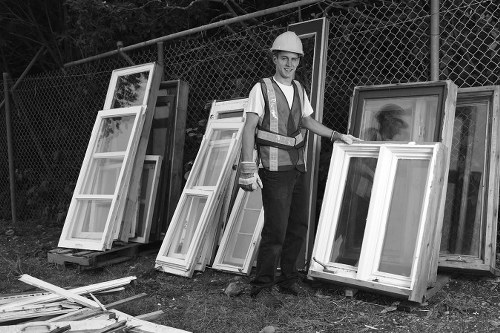
People book furniture collection for many different reasons, and in London those reasons often come with urgency. A sofa may need to be removed before a new delivery arrives. A wardrobe may not fit through a doorway during a move. Office furniture may need to be cleared from a commercial unit before refurbishment begins. In each case, having a local team on hand makes the process much easier.
One of the biggest advantages is convenience. Large furniture is hard to move without the right equipment and enough people. Items such as wardrobes, beds, mattresses, dining tables, bookcases, recliners, and cabinets can be awkward to dismantle and carry. A furniture removal and collection service is designed to handle those items safely, so you do not have to manage the lifting, transport, or disposal yourself.
Another important reason is the way London properties are often built and used. Many flats have shared stairwells, limited parking, or lift restrictions. Many houses have tight front paths, basement steps, or narrow internal turns. Furniture collection in London needs to account for all of this. A local team can plan access, arrival times, and loading so the job is completed efficiently and with minimal disruption.
What our furniture removal and collection service includes

A good furniture collection service should be clear about what happens on the day. In most cases, it includes the removal of unwanted furniture from inside or outside the property, careful loading, transport away from the site, and responsible handling after collection. If items need to be dismantled first, that can often be arranged as part of the job.
Typical items collected include:
- Sofas, armchairs, recliners, and sofa beds
- Beds, bed frames, headboards, and mattresses
- Wardrobes, cupboards, cabinets, and shelving units
- Dining tables, coffee tables, sideboards, and chairs
- Desks, office chairs, storage units, and meeting tables
- Outdoor furniture, including garden benches and patio sets
- Bulky or damaged items that are too large for normal waste collection
Depending on the property and access, the team may also help move furniture from loft rooms, basements, garages, sheds, storage spaces, or upper floors. If the furniture is still in good condition, it may be suitable for reuse or resale channels. If not, it can be processed for responsible disposal in line with the type of item and its condition.
Furniture removal for homes, flats, and shared properties
Designed for London living spaces

Residential furniture removal in London is rarely simple. A property in Peckham may have a narrow staircase and no driveway. A flat in Stratford may have controlled access and limited loading space. A townhouse in Fulham could have furniture on multiple floors, while a basement flat in Camden may present awkward steps and low ceilings. This is where experience matters.
For homeowners and tenants, the service is often needed at key moments: before a move, during a clear-out, after replacing old furniture, or at the end of a tenancy. It can also help when an item is damaged, stained, no longer safe to use, or simply too large to keep. Instead of trying to find a way to dispose of it yourself, you can arrange a collection that works around your property and your day.
For shared properties, careful coordination matters even more. Hallways, communal entrances, and building rules can affect timing and access. A reliable local team understands that furniture removal should be done with respect for neighbours, residents, and the building itself. That includes keeping noise down where possible, protecting walls and floors, and moving items without blocking access for others.
Office and commercial furniture collection
Helping businesses clear space without unnecessary downtime

Businesses across London often need furniture collection when they are relocating, refurbishing, changing layouts, or shutting down a space. Offices, retail units, studios, clinics, hospitality venues, and shared workspaces may all need bulky items removed quickly so the next phase of work can begin. That could include desks, office chairs, filing cabinets, reception furniture, shelving, tables, and storage units.
Commercial furniture removal is usually about more than just lifting items out. It may involve working around staff schedules, building management requirements, loading bay access, lifts, and time-restricted streets. In central London, access can be particularly tight, so a local team that understands the area can make a real difference. Planning ahead reduces delays and helps the job fit around the rest of your business operations.
For landlords and managing agents, furniture collection may also be required after a tenant leaves or before new occupants move in. In those situations, speed and tidiness matter. A well-organised collection service can help restore the space quickly and leave it ready for cleaning, maintenance, or handover.
How the furniture removal process works
Simple steps from booking to collection
Most customers want a clear process. They want to know what happens first, how long the job may take, and whether anything needs to be prepared beforehand. While every property is different, the general process is usually simple and customer-friendly.
Step 1: Tell us what needs removing. Share details about the items, the property type, floor level, and any access issues such as stairs, no lift, narrow entrances, or parking restrictions. The more detail you provide, the easier it is to plan the collection properly.
Step 2: Arrange a suitable time. Book a collection slot that fits your schedule. In London, timing can matter a lot because of traffic, parking rules, and building access windows. Morning, afternoon, and later-day slots may all be useful depending on the area and the property.
Step 3: The team arrives and assesses access
On arrival, the team checks the route for removal, confirms the items to be collected, and prepares any necessary handling equipment. If furniture needs to be dismantled to leave the property safely, this is usually done with care and minimal disruption.
Step 4: Items are removed and loaded. Furniture is carried out safely, with attention to walls, floors, door frames, and communal areas. Heavy or awkward pieces are handled by two or more people where needed. If the item is in a loft, basement, or upper floor, the team plans the route before moving it.
Step 5: The area is left tidy. Once the furniture has gone, the team checks the space and removes any smaller debris created during the collection. The aim is to leave you with a clear, usable area and as little hassle as possible.
Preparing for your collection
A practical checklist for London customers
You do not usually need to do much before a furniture collection, but a little preparation can make the visit quicker and smoother. If you are booking furniture removal and collection in London for the first time, the following checklist can help:
- Identify exactly which items are being removed
- Measure large pieces if you are unsure whether they will fit through doors or stairs
- Clear smaller belongings from shelves, drawers, and tabletops if those items are also going
- Make sure access paths are open, including hallways and entrances
- Check whether parking or loading instructions apply near your property
- Inform building management if your block has booking rules for lift use or collection times
- Separate items that are staying from those being removed
If you are not sure whether something can be collected, it is better to ask in advance rather than assume. Some furniture is straightforward to remove, while other items may need extra handling because of size, condition, or location in the property. Sharing photos can also help when arranging the job, especially for bulky or unusual pieces.
Good preparation is not about making the job easier for the sake of it; it is about helping the removal happen safely, quickly, and with less disruption to your day.
Pricing factors for furniture collection
What can affect the cost of removal?
Customers often want to know what influences the price of furniture collection. While exact amounts depend on the job, several common factors usually shape the quote. Understanding these can help you compare services more confidently and avoid surprises.
Common pricing factors include:
- Number of items - A single sofa is different from a full flat clearance.
- Size and weight - Bulky wardrobes or heavy solid-wood furniture may take longer to move.
- Access conditions - Stairs, long carries, lift restrictions, and parking distance can affect labour time.
- Dismantling needs - Some furniture must be taken apart before it can be removed safely.
- Location - Travel time and local parking conditions can vary across London boroughs and neighbourhoods.
- Item condition - Damaged, broken, or unusually awkward items may need different handling.
A clear quote should reflect the actual work required. That is why it helps to provide accurate information from the start. If the collection is from a top-floor flat in Hackney with no lift, that matters. If the items are in a ground-floor shop with rear loading access, that matters too. The more precise the details, the more accurate the estimate can be.
Why choose a local London company
Local knowledge can save time and reduce stress
Choosing a local service for furniture removal and collection in London offers practical advantages. London is not one uniform area; it is a city of very different streets, building types, and access conditions. A team that regularly works across boroughs is more likely to understand how to plan around traffic, permit zones, basement access, communal door systems, and loading rules.
Local knowledge is especially helpful in busy areas like Westminster, Southwark, Kensington, Hammersmith, Tower Hamlets, Camden, Lambeth, Wandsworth, and nearby districts. It also matters in suburban and outer areas where parking may be easier in some streets but access can still be tricky because of narrow frontages, shared drives, or estate layouts. A nearby team can respond more flexibly and often schedule more efficiently than a provider unfamiliar with the city.
There is also peace of mind in working with people who understand local customer needs. If you are clearing furniture from a rental flat before checkout, setting up a new office in Shoreditch, or emptying a family property in Ealing, you need the job handled with care and common sense. A local service should feel practical, polite, and responsive from the first enquiry to the final item being taken away.
Areas covered across London
Serving homes and businesses in many parts of the city

Furniture collection services across London are often arranged by borough, neighbourhood, and travel route, rather than by a single fixed area. That means customers in central, east, west, north, and south London can all benefit from the same kind of practical support, provided the service area covers their location.
Common areas customers ask about include:
- Central London locations such as Westminster, Holborn, Fitzrovia, and Soho
- East London areas such as Hackney, Bethnal Green, Bow, Stratford, and Canning Town
- South London areas such as Clapham, Brixton, Peckham, Lewisham, and Wimbledon
- West London areas such as Ealing, Hammersmith, Acton, Chiswick, and Shepherd’s Bush
- North London areas such as Camden, Islington, Highbury, Tottenham, and Finchley
- Docklands and river-side areas including Canary Wharf, Limehouse, and Greenwich
- Outer London neighbourhoods where larger homes, maisonettes, and business premises may still need bulky item removal
Coverage can vary depending on route planning and the type of job, so it is always sensible to check availability for your exact postcode and property type. If your area has parking restrictions, estate access rules, or specific collection windows, mention those early so the visit can be planned properly.
Common situations where furniture removal helps
When collection is the easiest answer
Furniture collection is useful in many everyday situations, especially when items are too large, too heavy, or too inconvenient to deal with yourself. It is often the best option when a piece is still taking up space but has already served its purpose.
Typical customer situations include:
- Moving home and needing old items removed before or after the move
- Replacing damaged or outdated furniture with new pieces
- Clearing a rented property at the end of a tenancy
- Emptying a loft, garage, basement, or storage room
- Preparing a property for sale, refurbishment, or decorating
- Removing office furniture during a fit-out or relocation
- Clearing bulky items after a house share or flatmate move-out
In many London properties, furniture builds up over time because people are busy and space is limited. A collection service helps you reclaim that space without the strain of doing it alone. It can also help avoid the frustration of trying to borrow a van, find help, or spend a weekend lifting items that are hard to manage.
Responsible handling and disposal
What happens after collection matters
Customers usually care not only about what leaves the property, but also about what happens next. Responsible furniture collection should not feel like a shortcut. It should be a proper service that considers reuse, recycling, and the most suitable route for each item.
Depending on condition and type, furniture may be suitable for reuse, separation into recyclable materials, or other handling methods appropriate for bulky waste. Items such as mattresses, upholstered furniture, wooden units, metal frames, and mixed-material pieces may all require different treatment. A professional service should know how to deal with these items in a sensible and compliant way.
This matters because furniture is not all the same. A small bedside cabinet, a sprung mattress, and a broken office desk each need different handling. A reputable local collection service should remove the items from your property safely and then take the next steps responsibly, so you can clear your space with confidence.
Frequently asked questions
Real questions London customers often ask
Can you collect just one item?
Yes. Many customers only need a single sofa, bed, or wardrobe removed. A one-item collection is often arranged for exactly that reason, especially when the item is too large for standard waste disposal.
Do I need to move the furniture outside first?
Not usually. In most cases, the team can remove furniture from inside the property, provided access is clear. If the item is already outside, that can also be discussed when you book.
What if the furniture is upstairs or in a basement?
That is common in London. Upper floors, basements, and split-level homes are all manageable when the access details are shared in advance. The route and lifting approach can be planned accordingly.
Can office furniture be collected outside normal business hours?
Depending on availability and the property setup, collections may sometimes be arranged to fit around business operations. This is useful when offices need to avoid disrupting staff or customers.
What if my building has parking restrictions?
That is very common across London. If there are loading bays, permits, timed access, or no-parking zones, mention them when you enquire so the collection can be scheduled with those conditions in mind.
Can you take furniture from a rented flat at the end of a tenancy?
Yes, end-of-tenancy furniture removal is one of the most common reasons customers book the service. It can help you return a property clear and ready for the next stage.
Choosing the right service for your needs
What to look for before you book
When comparing furniture removal options, it helps to look beyond the basic promise of “we collect furniture.” You want a service that is practical, clear, and suited to your exact situation. A good local provider should ask the right questions, understand your property type, and explain what is included in the collection.
Look for a team that can handle different item sizes, property layouts, and access challenges. If your collection involves narrow stairs, shared entrances, or several bulky pieces, the service should be able to plan for that from the start. If you are in a commercial space, it should also take account of building rules, loading arrangements, and the need to work efficiently.
Most importantly, choose a team that communicates clearly. You should feel comfortable describing the items, asking about preparation, and requesting a time that works for you. Book your service now if you are ready to clear space and want the process handled properly from start to finish.
Book furniture removal and collection in London
Fast, practical help when you need space back
If unwanted furniture is taking up room in your home, flat, shop, or office, a local collection service can make the next step much easier. Whether you are dealing with a single bulky item or several pieces that need to go, the right team will work around your property and help remove the stress from the process.
From busy central streets to quieter residential roads, furniture removal and collection in London is about more than transport. It is about access, timing, safe handling, and a service that understands the way London properties work. That is what makes local knowledge so valuable for both homeowners and businesses.
If you are planning a clear-out, preparing for a move, or replacing old furniture, do not leave bulky items sitting around longer than necessary. Contact us today to request a free quote and arrange a collection that suits your schedule.