Rubbish Clearance in London

When you need rubbish clearance in London, you usually need it for a practical reason: a flat is full after a move, a garden has become unmanageable, a landlord needs a quick turnaround, or a business premises has accumulated bulky waste that cannot wait until the next scheduled collection. In a city as busy and varied as London, waste removal needs to be fast, flexible, and respectful of the realities of local properties, narrow streets, shared entrances, parking restrictions, and building access rules.
That is why a local rubbish clearance service matters. Whether you are in a basement flat in Camden, a townhouse in Islington, a warehouse unit in Southwark, or a shop in Shepherd’s Bush, the job is rarely just “take the rubbish away.” It is about arriving when expected, loading efficiently, handling waste responsibly, and keeping disruption to a minimum for neighbours, tenants, customers, and building managers.
From one-off household clearances to regular commercial waste collections, London customers often want a service that is straightforward, tidy, and adaptable. If you are looking for help with unwanted items, household junk, furniture, office equipment, builders’ waste, or garden debris, you want clear information, a useful quote process, and a team that understands local access challenges before they become delays.
Why London Rubbish Clearance Needs a Local Approach

London is not one type of job, property, or customer. A rubbish clearance in a Victorian conversion in Clapham can be very different from a clearance in a modern block in Stratford, a mews property in Kensington, or a mixed-use building near King’s Cross. Local knowledge helps because the team can plan around controlled parking zones, resident permits, loading bays, busy main roads, and limited lift access.
Many customers also need flexibility with timing. A same-day rubbish clearance may be important when a tenancy ends unexpectedly, a renovation reaches a critical stage, or a shop needs to clear stockroom clutter before opening. In other cases, the best option is an arranged collection that fits around school runs, business hours, concierge access, or contractor schedules.
Local rubbish removal in London is often about removing stress as much as removing waste. You want a team that can work carefully in shared hallways, protect walls and stairwells, and leave the space swept and ready for the next step. That is especially useful in busy areas where space is tight and neighbours are close by.
What We Can Clear
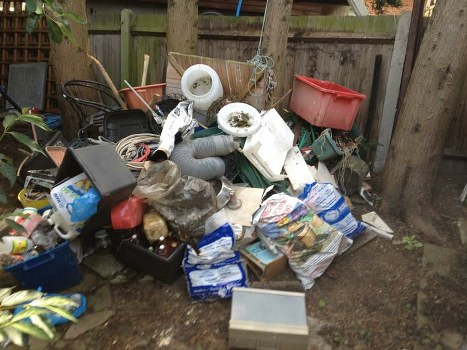
Most customers start with a simple question: what can actually be taken away? In practice, household rubbish clearance and commercial waste removal can cover a wide range of items, provided they are handled safely and in line with waste rules. This makes it easier to clear a property in one visit rather than piecing the work together over several trips.
Typical items included in a London rubbish clearance service can involve:
- General household junk and bagged rubbish
- Old furniture such as sofas, beds, wardrobes, tables, and chairs
- White goods and appliances, where suitable for collection
- Boxed clutter from lofts, cupboards, garages, and storage rooms
- Office furniture, filing cabinets, packaging, and equipment
- Shop waste, display units, shelving, and stockroom items
- Builders’ debris, renovation waste, and end-of-project leftovers
- Garden waste, hedge cuttings, branches, soil, and outdoor junk
Important note: some materials require special handling and may need separate arrangements. If you are unsure whether a particular item can be collected, it is best to ask before booking so the team can plan correctly.
How the Service Works

A good rubbish clearance service should be simple from start to finish. London customers often prefer a process that does not waste time, especially when access windows are short or when several trades are involved on a project. The aim is to make booking, collection, and disposal as clear as possible.
Here is a typical service process:
- Initial enquiry: You describe the rubbish, the location, access details, and the timeframe.
- Assessment: The team reviews the job size and any practical factors such as stairs, parking, loading access, or lift availability.
- Quote: You receive a clear estimate based on the type and amount of waste, not guesswork.
- Collection: The team arrives, loads the rubbish, and works carefully through the property or site.
- Responsible disposal: The waste is taken away for appropriate sorting, recycling, and disposal where possible.
For many customers, the most valuable part is the simplicity. Rather than hiring a van, finding time off work, or making multiple trips to a tip, you can book a crew that handles the heavy lifting for you.
What Happens on the Day

On the day of your rubbish clearance in London, the team will usually confirm access arrangements, assess the load, and begin removal as efficiently as possible. If the waste is in a loft, basement, rear garden, office corridor, or loading area, the job may require careful carrying and route planning. This is especially common in older London buildings where staircases are narrow and internal access can be awkward.
Good preparation matters, but so does experience. A local team that regularly works across London will already expect common issues such as lift bookings, delivery restrictions, difficult parking, and timed access through porters or building managers. That helps keep the job moving and avoids unnecessary disruption for the rest of the property.
If the clearance involves a mixture of items, the team may separate materials as they work, making it easier to sort recyclable items from general waste. This is one reason customers often prefer a proper junk clearance service over trying to manage everything themselves.
Residential Rubbish Clearance Across London
Homeowners, tenants, landlords, letting agents, and property managers all rely on rubbish clearance for different reasons. In London, where flats and conversions are common, the need often starts with clutter in a single room and quickly becomes a whole-property issue. A house clearance may be needed after a move, a declutter, a refurbishment, or a tenancy changeover.
Common residential jobs include:
- Flat clearance after moving out
- Loft and attic clearance
- Garage and shed clearance
- End-of-tenancy rubbish removal
- Single-room decluttering before decorating or selling
- Bulky item removal from upper floors
- Garden rubbish removal after trimming or landscaping
London homes often come with access difficulties that make domestic waste clearance more challenging than expected. A third-floor flat without a lift, a shared entrance with limited hours, or a building with strict parking rules can all make DIY waste removal time-consuming and physically demanding.
Useful for Tenants, Landlords, and Letting Agents
For tenants, rubbish clearance can help with move-out deadlines and avoid leaving behind items that lead to stress or additional charges. For landlords, it can speed up the turn-around between occupancies and help present the property well for the next tenant. Letting agents often need fast, reliable help when a property has been left with unwanted furniture, bags, or general rubbish.
A local London clearance team can be especially useful when there is a narrow window to prepare a flat between tenancies. If keys need collecting from a managing agent, access is through a concierge, or a removal must be completed before cleaners arrive, timing becomes just as important as the physical clearance itself.
Professional rubbish clearance in London can also support probate clearances and sensitive household situations, where discretion and care are important. In those cases, customers usually want a calm, respectful approach that makes the process easier rather than more difficult.
Commercial and Office Rubbish Removal
London businesses often need waste removed quickly and without interrupting operations. Offices, retail units, hospitality venues, workshops, studios, and shared workspaces can all generate rubbish that is too bulky for standard bins or too much for a routine collection. This is where a dedicated commercial rubbish clearance service can be a practical solution.
Typical commercial customers include:
- Offices clearing desks, chairs, monitors, and filing items
- Retailers disposing of packaging, shelving, and display fixtures
- Cafes and restaurants clearing storage rooms or refurbishments waste
- Building contractors needing site tidying and removal of debris
- Warehouses and industrial units with accumulated bulk waste
In central areas such as Westminster, the City, Covent Garden, Shoreditch, and Victoria, access and timing can be particularly important. A team that knows how to work around traffic, restrictions, and occupied premises can help avoid delays and keep your operation moving.
Business Benefits of a Reliable Clearance Team
Commercial clients usually care about more than just removal. They want less downtime, less mess, and a service that can work to a schedule. That may mean early morning access before staff arrive, timed visits between customer peaks, or a clearance that happens after hours. A flexible rubbish removal team can support these needs more effectively than a one-size-fits-all approach.
For fit-outs, refits, and refurbishments, a rubbish clearance service can also help keep the site safe and workable by removing packaging, old materials, broken fixtures, and debris before it builds up. That can be useful whether you are refurbishing a small office in Farringdon or managing a larger commercial unit in East London.
Why London Access and Parking Matter
One of the biggest reasons customers choose a local company for rubbish clearance in London is access. The city’s layout is varied, and many properties are not straightforward to load from. Parking restrictions, congestion, one-way streets, low-emission considerations, and timed bays can all affect how long a job takes and how smoothly it runs.
Common challenges include:
- Controlled parking zones and permit-only streets
- No stopping restrictions on busier roads
- Basement flats and upper-floor walk-ups
- Shared entrances and narrow staircases
- Limited lift use in apartment blocks
- Security desks, concierge booking, or site sign-in procedures
When a team understands these issues in advance, they can plan the clearance properly and keep the service efficient. That is good for customers, neighbours, and building managers alike.
Pricing Factors for Rubbish Clearance
Customers often want to know what affects the cost of a clearance before they make a booking. While exact pricing depends on the job, there are a few common factors that usually shape the quote. Understanding them helps you compare services fairly and avoid surprises.
Typical pricing factors include:
- Volume of waste: More rubbish usually means more labour and vehicle space.
- Type of material: General household items, builders’ waste, and mixed waste can require different handling.
- Access conditions: Stairs, distance from the vehicle, and parking restrictions may affect the job.
- Loading time: Larger or more awkward clearances take longer to complete.
- Special handling: Some items may need additional care or separate arrangements.
Requesting a free quote is usually the best way to get a realistic idea of the job cost. Sharing photos or a clear description of the rubbish can make the estimate more accurate and help the team bring the right vehicle and crew size.
How to Prepare for Your Clearance
Preparing well can save time on the day and help the clearance go smoothly. That does not mean you need to do the heavy lifting yourself. It simply means making the space ready so the team can work efficiently and safely.
Preparation checklist
- Separate anything you want to keep from items to be removed
- Remove valuables, documents, and personal belongings
- Make sure access routes are clear where possible
- Reserve parking if you are able to do so
- Check lift booking or building access requirements in advance
- Tell the team about awkward items, heavy objects, or fragile surroundings
If you are arranging a clearance for a tenant, a relative, or a business premise, it can also help to label the items that must remain. That reduces mistakes and helps keep the process smooth for everyone involved.
What You Do Not Need to Worry About
You do not need to sort every item into separate piles before the team arrives unless you want to. Many customers book rubbish clearance because they do not have time, space, or energy to organise everything themselves. A professional crew can do the sorting and loading as part of the service.
You also do not need to arrange transport or handle lifting. That is especially helpful for bulky items such as wardrobes, mattresses, broken appliances, or heavy office furniture. Book your service now if you want to avoid the strain and save a full day of effort.
Responsible Disposal and Recycling
Customers increasingly want to know what happens after the rubbish leaves the property. Responsible disposal matters because it helps reduce unnecessary landfill use and ensures waste is handled correctly. A good rubbish clearance provider will sort items where possible and take materials to the appropriate facilities.
This can be especially important for mixed loads from London homes and businesses, where one collection may include wood, metal, cardboard, textiles, appliances, and general waste. Separating materials properly takes time, but it is part of a professional service and contributes to a more responsible overall process.
If environmental care matters to you, ask how the team handles sorting and disposal before booking. That way you can choose a service that fits both your practical needs and your values.
Areas Covered Across London
A London rubbish clearance service should be able to work across a wide range of neighbourhoods, from central districts to outer boroughs. Customers often need help in places with very different access conditions, property styles, and traffic patterns, so coverage across the capital is important.
Areas commonly served include:
- Central London, including Westminster, Holborn, Covent Garden, and the City
- North London, including Camden, Islington, Hampstead, and Finchley
- South London, including Clapham, Brixton, Peckham, and Wimbledon
- East London, including Shoreditch, Hackney, Stratford, and Bethnal Green
- West London, including Kensington, Chelsea, Ealing, and Hammersmith
- Outer boroughs and residential districts across Greater London
Because London is so varied, it is always useful to work with a team that knows how different boroughs and property types can affect the collection process. A busy high street job is not the same as a rear-access garden clearance, and an experienced local crew will plan accordingly.
Choosing the Right Rubbish Clearance Service
When comparing rubbish removal options, the best choice is usually the one that is clear, practical, and responsive to your situation. You want more than someone with a van; you want a service that understands the work, the property, and the pressures of London life.
Look for a team that can offer:
- Clear explanations about what is included
- Flexible booking times
- Experience with residential and commercial properties
- Awareness of access, parking, and loading challenges
- Careful handling of the property during removal
- Responsible disposal practices
Why choose a local company? Because local knowledge can save time, reduce hassle, and improve the quality of the whole experience. In a city like London, that practical difference matters.
Frequently Asked Questions
How quickly can rubbish be collected in London?
Availability depends on the type and size of the job, as well as location and access. Many customers want a prompt collection, and a local service can often respond faster than a company coming from far outside the city.
Can you clear rubbish from flats and upper floors?
Yes, many clearances are from flats, maisonettes, and properties with stairs. Be sure to mention lift access, floor level, and any building restrictions when you enquire.
Do I need to move everything outside first?
No. In most cases, the team can remove items from inside the property, garden, office, or storage area. If you can make access easier, that helps, but you usually do not need to do the heavy work yourself.
Can you help with office and shop waste?
Yes. Commercial rubbish clearance is a common request in London, especially for offices, retail units, and refurbishment projects.
What if I am not sure how much rubbish there is?
That is fine. Describe the items as best you can or share photos if requested. A clear description helps the team estimate the job more accurately.
Is rubbish clearance suitable for one-off jobs?
Absolutely. Many customers only need a single collection for a move, renovation, garden tidy-up, or end-of-tenancy clearance.
Ready to Clear the Space?
Whether you need a few bulky items removed or a full property cleared, rubbish clearance in London should be simple, efficient, and handled with care. The right team will help you reclaim space, reduce stress, and keep the process moving without unnecessary disruption.
If you are preparing a home, office, shop, or rental property, now is a good time to take the next step. Contact us today to discuss your rubbish removal needs, request a free quote, or book your service now if you are ready to get started.
From residential junk removal to commercial waste clearance, local support makes a real difference across the capital. A well-organised collection can save time, improve safety, and leave your property ready for whatever comes next.