Probate Clearance in London
When a loved one passes away, the practical side of handling their home, belongings, or business premises can feel overwhelming. Probate clearance in London is often one of the first major tasks families, executors, landlords, and solicitors need to address once legal permission has been granted or once they are preparing for the next step in the estate process. It is rarely just a matter of removing items. It may involve sorting valuables, identifying documents, dealing with furniture in period flats or terraced houses, and managing access in busy streets, communal entrances, and restricted parking zones.
For local people, the value of using a London-based probate clearance service is that the team understands the pace, layout, and practical challenges of the city. A flat in Islington, a Victorian terrace in Lambeth, a townhouse in Kensington, a converted building in Hackney, or a mixed-use property in Southwark can each present different access issues. A professional team can make the process calmer, more organised, and less physically demanding, while respecting the family’s wishes and the sensitivity of the situation.
If you are looking for probate clearance in London, you may be trying to decide what needs to be kept, what can be removed, and how to handle the property with care. This service page explains what is included, how the process works, what affects pricing, and why a local company can be the practical choice for estates across the capital. Contact us today or request a free quote when you are ready to arrange support.
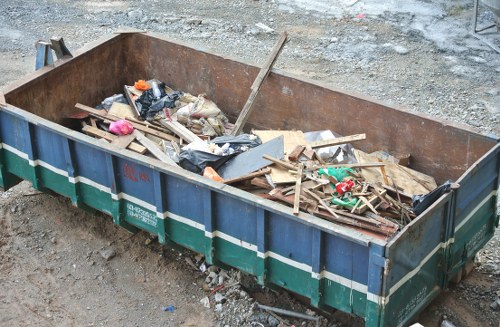
What Probate Clearance Means for London Properties
Probate clearance is the careful removal of the contents of a property after someone has died, usually as part of estate administration. In many cases, this takes place after the executor, administrator, or solicitor has confirmed who has the authority to act. The service can cover domestic homes, flats, maisonettes, retirement properties, probate-sale preparation, and in some cases commercial spaces such as small offices or storage units connected to the estate.
In London, this work often needs more than a van and a few hands. Older properties may have steep stairs, basement rooms, loft spaces, or narrow hallways. Modern apartment blocks may have lift restrictions, concierge rules, or scheduled loading times. Some streets require careful planning for parking, and some boroughs have controlled parking zones or permit-only access. A local probate clearance team understands these conditions and can plan around them, reducing delays and stress for the people dealing with the estate.
Probate clearance in London is also about judgment and respect. Families do not always want everything removed at once. There may be items that need to be separated for valuation, items to pass to relatives, paperwork to keep, and furniture or effects that should be donated, recycled, or disposed of responsibly. A professional service can work around those priorities rather than forcing a one-size-fits-all approach.

Why Local Knowledge Matters Across the Capital
Choosing a London probate clearance company can make a noticeable difference to the experience. The city is not just busy; it is varied. A property in central London may require timed access and coordination with building management, while a house in outer boroughs might involve larger volumes of furniture and garden contents. Some properties are on high streets with limited loading space, and others are tucked away in residential roads where parking is tight or access is shared.
Local knowledge helps with practical issues such as timing, route planning, and the right size of vehicle. It also helps when a property contains items that need sensitive handling, such as family photographs, personal letters, antiques, artwork, books, musical instruments, and legal documents. In a city where many homes have been lived in for decades, these items can be spread across multiple rooms, cupboards, sheds, and storage areas. A careful team can help sort, pack, and clear them methodically.
For executors and family members living outside the area, using a nearby team can save repeated journeys into London. That matters if you are juggling probate paperwork, estate agents, surveys, cleaners, and utility arrangements. Having a team that already knows the city layout can make scheduling smoother and the whole process easier to manage.

Who Uses Probate Clearance Services?
Probate clearance is used by a wide range of people and organisations. It is not only for families who have inherited a home. In London, the service is often requested by executors, administrators, solicitors, landlords, housing associations, care providers, and property professionals who need an estate cleared with care and discretion.
Common customers include:
- Executors who need help clearing a property before sale, transfer, or renovation.
- Family members who are dealing with a relative’s home and want the process handled respectfully.
- Solicitors who need a reliable clearance arranged as part of estate administration.
- Landlords and managing agents dealing with an empty property after a tenant’s death or estate transition.
- Housing providers requiring a responsible clear-out of belongings from flats, houses, or units.
- Commercial customers when office contents, records, shelving, or equipment need to be removed.
Each case is different. Some clients want a full clearance, while others need a partial service with specific items retained, inventoried, or prepared for collection. A local service can adapt to those needs rather than offering a rigid approach. Book your service now if you need practical help with an estate property in London.

What Is Included in Probate Clearance in London?
A good probate clearance service should be clear about what is included and how the work is carried out. While every estate is different, the service often begins with an assessment of the property and the contents, followed by a plan for sorting and removal. The aim is to make the process straightforward while respecting any instructions from the executor or family.
Typical elements of the service can include:
- Careful removal of furniture, white goods, and household contents.
- Sorting of items into keep, donate, recycle, and dispose categories.
- Handling of bulky items from upstairs rooms, lofts, basements, and outbuildings.
- Respectful treatment of personal belongings, paperwork, and sentimental items.
- Clearing of garages, sheds, cupboards, cellars, and storage spaces where required.
- Separation of items that may need valuation or family review before removal.
- Responsible disposal and recycling wherever possible.
Some properties also need extra care around fragile items, older furniture, or mixed contents from decades of occupancy. In many London homes, particularly period properties and long-held family flats, the contents may include a combination of everyday household goods, collectibles, and personal archives. This is why probate clearance should be approached as a methodical service rather than a simple rubbish removal.
Important: if the estate contains documents, jewellery, cash, legal papers, or items of possible value, these should be identified and set aside before any full clearance takes place. A professional team can work to your instructions and help preserve the items you need to keep.

How the Probate Clearance Process Usually Works
Most people want the process to be as simple and transparent as possible, especially when they are dealing with grief, time pressure, or multiple responsibilities. A typical probate clearance appointment in London may follow a clear sequence from enquiry through to completion.
- Initial enquiry – you explain the property type, location, access issues, and the sort of clearance needed.
- Assessment or discussion – the team may ask for photos, a list of rooms, or details about any special items.
- Quote preparation – you receive a tailored quote based on the amount of work, access, and contents involved.
- Scheduling – a date and time are arranged that fit with probate needs, property sales, or handover deadlines.
- On-site clearance – the team removes agreed items, sorts contents, and follows your instructions on what to keep or leave.
- Responsible disposal – items are taken for reuse, recycling, or waste disposal according to the job plan.
- Final check – the property is left as agreed, ready for cleaning, valuation, viewing, or the next stage.
Some clients ask for a staged service. For example, they may want an initial visit to separate family items, then a later visit to complete the full probate clearance once everyone has had a chance to review what should stay. This can be especially useful where relatives live in different parts of London or elsewhere in the UK and need time to coordinate.
If you are unsure how to begin, a local team can talk through the property and suggest the most practical way forward. Contact us today to discuss your requirements and arrange a convenient time.
Why Families and Executors Choose a Professional Team
Dealing with a property after a bereavement is rarely just about physical labour. There can be emotional decisions, practical deadlines, and legal responsibilities all happening at once. A professional team can remove pressure by taking on the physically demanding parts while allowing you to keep control over the personal and important details.
Here are some of the main reasons people choose a probate clearance service:
- Reduced stress during an already difficult period.
- Time saving when the property needs to be prepared quickly.
- Careful sorting of belongings rather than rushed removal.
- Support for executors who need to act responsibly and keep records straight.
- Less physical strain when moving heavy furniture or large quantities of items.
- Better handling of access problems in London streets, flats, and estates.
- Responsible disposal and a more organised handover of the property.
Probate clearance in London can also help when a property needs to be sold, let, transferred, or renovated. Emptying a home properly allows estate agents, surveyors, and cleaners to do their work more efficiently. It can also help identify maintenance issues that were hidden by furniture or stored contents.
Respectful handling of sentimental items
One of the most important parts of the service is the way personal belongings are treated. A careful team should not treat everything as generic waste. Photographs, correspondence, medals, keepsakes, documents, and heirlooms may need to be placed aside for the family. If you have specific instructions, it is helpful to share them in advance so that the clearance is carried out exactly as you want.
Types of Properties Covered in London
London contains a huge variety of property types, and that is one reason probate clearance needs local flexibility. A service that works well for one home may not be the right approach for another. A probate flat in Westminster may have strict building access rules, while a larger house in Ealing or Barnet may involve lofts, garages, and outbuildings. A terraced home in Waltham Forest may have tight rear access, and a converted warehouse flat in Southwark may require lift bookings and careful floor protection.
Probate clearance can typically be arranged for:
- Victorian and Edwardian terraces
- Purpose-built flats and mansion blocks
- Converted properties and maisonettes
- Retirement apartments
- Basement and garden flats
- Detached and semi-detached homes
- Small offices and business units tied to an estate
Every property presents different challenges. Narrow staircases, no lift access, shared entrances, lockable bins, limited kerbside space, or permit-only roads can all affect how the job is planned. This is where a local London team offers real value: they know how to work within the city’s practical limits and still keep the clearance moving.
Residential and commercial probate clearance
Although most probate clearances involve homes, some estates also include business premises, storage spaces, or workrooms. In those cases, contents may include shelving, files, stock, tools, IT equipment, or office furniture. These properties need the same care and discretion as domestic homes, with attention paid to documents and assets that may need to be kept, checked, or handled under solicitor instructions.
Access, Parking, and Street Challenges in London
Anyone who has arranged work in London knows that access can be one of the biggest challenges. Probate clearance often requires vehicles to park as close as possible to the property, but that is not always straightforward. The route from the property to the vehicle matters, especially when moving bulky items from upper floors or from properties with no direct driveway.
Common London access issues include:
- Controlled parking zones and permit requirements
- Red routes and loading restrictions
- Limited kerbside space on busy roads
- Flats with no lift or restricted lift booking times
- Gated developments and concierge procedures
- Shared access in mews, courtyards, or alleyways
- Noise considerations in residential streets and estates
A local team can plan around these challenges, which helps protect the building, reduce delays, and keep the process as efficient as possible. If access is difficult, it is worth mentioning this early so the clearance can be scheduled with the right vehicle, equipment, and labour in mind. Request a free quote and include any access notes you already know about.
What Affects the Price of Probate Clearance?
People often ask what influences the cost of probate clearance in London. Every job is different, and the quote usually depends on the time, labour, vehicle use, and waste handling involved. Rather than giving a flat figure without seeing the property, a trustworthy local company will look at the details and provide a tailored estimate.
Main pricing factors can include:
- Property size and number of rooms
- Volume of contents to be cleared
- Type of items involved, such as furniture, appliances, or mixed household goods
- Access difficulties like stairs, parking restrictions, or distance from the vehicle
- Time required for sorting, loading, and responsible disposal
- Special handling for valuables, paperwork, or fragile items
- Additional spaces such as lofts, sheds, garages, or basements
Some probate clearances are straightforward, while others involve a large volume of contents accumulated over many years. A quotation should reflect the actual work involved, not a generic estimate that may miss important details. If you need to compare options, make sure the quote clearly states what is included so you can make a fair decision.
It is also worth asking whether the team can separate reusable items from general waste, as this may be relevant to both cost and responsibility. A clear plan often leads to a smoother and more manageable clearance.
Questions to ask before you book
- What exactly is included in the clearance?
- How do you handle items that the family wants to keep?
- Can you manage difficult access or parking conditions?
- Do you work with solicitors, executors, or estate agents if needed?
- What happens if valuables or important documents are found?
How to Prepare for a Probate Clearance Visit
A little preparation can make the appointment faster and more efficient. You do not need to empty the property yourself, and in many cases it is better not to move everything before the team arrives. However, there are useful steps you can take to help avoid confusion and make sure the right items are retained.
Preparation checklist
- Gather any probate paperwork or instructions from the executor or solicitor.
- Identify items that must be kept by family members.
- Set aside documents, jewellery, photographs, and anything of obvious personal or financial value.
- Make a note of access details, keys, parking restrictions, or building rules.
- Tell the team about any fragile areas, alarms, or lockable rooms.
- Share information about storage spaces, sheds, lofts, or garages if they need clearing.
- Let other relatives know which items are being reviewed so there is less confusion on the day.
It can also help to take photos before the clearance if you want a record of the contents. This can be useful for family discussions, estate administration, or property records. If multiple people are involved in the estate, agreeing the plan in advance can save time and reduce disagreements later.
Book your service now if you want practical help preparing a London property for the next stage of the probate process.
Responsible Disposal, Reuse, and Recycling
Many customers are concerned not just with clearing the property, but with what happens afterwards. A responsible probate clearance service should aim to keep as much as possible out of general waste when suitable reuse or recycling is possible. This is especially important in a city where households often contain furniture, books, textiles, small appliances, and mixed materials that can sometimes be separated for different handling routes.
Depending on the condition and type of items, a clearance team may direct goods toward reuse, recycling, donation routes, or appropriate waste facilities. This can be especially relevant where the estate includes a full household of contents that still have value or potential use. It is also important for families who want the process handled in a thoughtful and practical way.
Probate clearance in London should be carried out with an eye to responsibility as well as convenience. If you have particular wishes about items being kept together, left for collection, or handled separately, make sure those instructions are shared clearly before work begins.
When partial clearance may be better
Not every estate needs a full emptying on the first visit. Sometimes the right choice is a partial probate clearance, where specific rooms or categories of items are removed and the rest are left for later. This can be helpful if the family needs time to visit the property, sort through belongings, or arrange valuations. It may also be the best approach when property sales, cleaning, or repairs are being done in stages.
Areas Covered Across London
Probate clearance services are commonly needed across central, north, south, east, and west London. A local company can usually cover a wide area, helping families and professionals with estate properties in a range of neighbourhoods and boroughs. The benefit of a London-based team is not just distance; it is the ability to understand how different parts of the city operate day to day.
Areas often covered include:
- Central London, including Westminster and nearby districts
- North London, including Islington, Camden, Hackney, and Barnet
- South London, including Lambeth, Southwark, Wandsworth, and Lewisham
- East London, including Tower Hamlets, Newham, and Waltham Forest
- West London, including Kensington and Chelsea, Hammersmith and Fulham, Ealing, and Hounslow
- Outer London boroughs where larger homes, garages, and gardens may need clearance support
If your property is just outside central London, local teams can often still help, especially where estates cross borough boundaries or where family members are coordinating from different parts of Greater London. The important thing is that the service is organised around your property, your timings, and your requirements.
Contact us today if you need probate clearance for a flat, house, or commercial unit anywhere in London.
Frequently Asked Questions
Do I need probate before the property can be cleared?
In many cases, the legal authority to act matters before a full clearance takes place. Executors and administrators usually need to be sure they are allowed to arrange removal of contents. If you are unsure, speak with the solicitor or representative handling the estate so the process can begin correctly.
Can you work with family members who want to keep certain items?
Yes. A good probate clearance service should be able to follow a list of items to keep, separate, or leave in the property. This is especially helpful when multiple relatives are involved and decisions are being made carefully.
What if the property has items of value?
Items that may have financial or sentimental value should be identified before the main clearance begins. These can be set aside for review, valuation, or collection. The aim is to avoid accidental removal of anything important.
Can you handle difficult access in London flats?
Yes, access issues are very common in London. A local team can usually plan for stairs, lifts, loading bays, parking restrictions, and building rules. It helps to mention these at the enquiry stage so the right approach can be arranged.
Do you clear garages, lofts, and storage spaces too?
In many cases, yes. Probate clearances often include additional spaces such as lofts, sheds, basements, cellars, and garages. These areas can contain a surprising amount of content and are often part of the overall estate.
How quickly can a probate clearance be arranged?
Timing depends on the property, the amount of contents, access, and current availability. If you have a deadline linked to a sale, handover, or legal process, mention it as early as possible so scheduling can be discussed.
Choosing the Right Probate Clearance Company in London
When selecting a company, look for clear communication, practical experience, and a respectful approach. Probate clearance is not just another removal job. It involves working in homes where people lived their lives, and that should be reflected in how the team behaves and plans the work.
Good signs include:
- A clear explanation of the process before the visit
- Willingness to discuss access, parking, and building rules
- Flexible service for partial or full clearances
- Attention to items that need to be kept or identified
- Practical experience with London properties and estate work
- A professional approach to responsible disposal and site tidiness
It can also be reassuring when a company is prepared to listen to special instructions instead of pushing a standard package. Every estate is different, and the best result usually comes from a service that respects that from the start. Request a free quote if you want a tailored discussion about your London property.
Why a local company can be the better choice
A local team is often better placed to manage timing, access, and city-centre practicality. They may be more familiar with borough parking conditions, busy roads, building layouts, and the varied nature of London homes. That can make the appointment smoother and reduce the chance of avoidable delays. For many customers, that local experience is one of the main reasons they choose probate clearance in London rather than using a service that does not know the city well.
Final Thoughts on Probate Clearance in London
Probate clearance is one of those tasks that can feel daunting until the right help is in place. Whether you are dealing with a family home, a flat in a managed block, a house full of long-held belongings, or a property that needs preparing for sale, the right team can make the process more manageable and far less stressful. The best service is careful, organised, respectful, and ready to work with the realities of London life.
By choosing a local company, you benefit from practical city knowledge, better planning for access and parking, and a more flexible response to the needs of the estate. You also gain a team that understands that probate work is personal. The aim is not just to clear a property, but to do so with care, attention, and a sensible plan.
If you are ready to move forward, contact us today to discuss your requirements, request a free quote, or book your service now. A well-managed clearance can be one of the most helpful steps in bringing order to a difficult time and preparing the property for whatever comes next.