Garbage Collection in London
If you need garbage collection in London, you are probably looking for a service that is fast, reliable, and easy to fit around busy city life. Whether you are clearing a flat in Islington, managing a shop in Kensington, dealing with office waste in the City, or sorting household rubbish after a move in Wimbledon, the right local service can save time, reduce stress, and help you dispose of waste properly.
London creates a unique set of waste challenges. Narrow streets, controlled parking, busy estates, basement flats, shared entrances, and tight schedules can make even a simple rubbish collection more complicated than it looks. That is why many residents, landlords, letting agents, business owners, and contractors prefer a local team that understands the practical realities of working across the capital.
This page explains what a professional waste collection service can help with, how the process works, what affects pricing, how to prepare, and why using a local provider is often the most efficient option. If you are ready to clear space quickly, request a free quote or book your service now with a trusted London-based team.
Why Local Garbage Collection Matters in London

Waste removal in London is not just about loading items into a truck. It is about navigating real local conditions. A team that regularly works across boroughs such as Camden, Hackney, Lambeth, Westminster, Southwark, Ealing, and Hammersmith will already understand common access problems, permit zones, loading restrictions, and the timing needed to work efficiently in busy areas.
For many customers, the value of a local rubbish collection service is speed and convenience. You may not want to wait several days for a slot, arrange a vehicle yourself, or deal with lifting heavy bags and furniture. A local crew can often handle the loading, transport, and responsible disposal in one visit, which is especially useful for households, landlords, and businesses trying to keep disruption low.
London rubbish removal also needs flexibility. Flats above shops, apartment blocks with shared lifts, terraced homes with rear access only, and commercial premises with limited loading space all require a different approach. A professional team can adapt to these conditions and plan the job around your property type, your schedule, and the amount of waste involved.
What Our Garbage Collection Service Includes
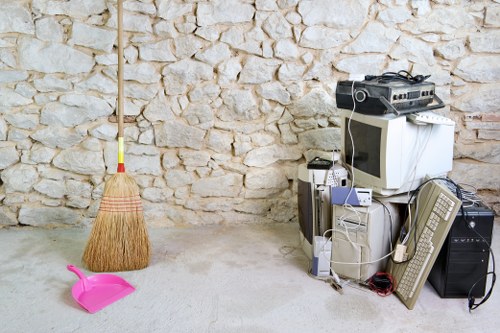
Every property and clean-up is different, but a typical garbage collection service in London is designed to take care of the whole process from start to finish. That means you do not have to organise separate transport, physical labour, or disposal arrangements. The aim is to make clearing waste straightforward, safe, and efficient.
Common items collected may include household rubbish, bagged waste, old furniture, dismantled beds, wardrobes, appliances, garden waste, renovation debris, cardboard, office clear-out items, shop waste, and mixed junk from decluttering projects. If you have bulky pieces in a flat, basement, storage unit, loft, garage, or commercial space, a team can usually remove them as part of the same visit.
Depending on the job, the service may also include loading from inside the property, from a curbside pile, or from an external location such as a rear alley, communal area, or loading bay. For customers who want a simple and practical solution, this all-in-one approach is often much easier than hiring a van and doing it manually.
Who Uses Garbage Collection in London?

One of the reasons this service is so useful is that it suits many different types of customers. A family in a terraced house in Richmond may need help after a loft clear-out. A landlord in Stratford may need waste removed between tenancies. A restaurant in Soho may need regular commercial rubbish collection. A contractor in Greenwich may need rubble and packaging taken away from a refurbishment site.
It is also common for people to book waste collection when they are short on time or dealing with a major change. For example, moving home often creates mixed rubbish that local council collections do not remove in one go. Office relocations can leave desks, filing cabinets, chairs, monitors, and boxes of unwanted materials. Garden projects in suburbs such as Barnes, Dulwich, or Chiswick can create piles of branches, soil, and green waste that need proper disposal.
In many cases, customers simply want a clean and tidy property without the effort of multiple trips to a recycling centre. A professional team can help reduce the physical strain while ensuring waste is handled responsibly and in line with local disposal rules.
How the Service Works
Garbage collection in London is usually arranged in a simple, customer-friendly way. The process is designed to save time and avoid confusion, especially for busy households and commercial sites.
Most services follow a clear sequence:
- Request an initial quote based on the type and amount of waste, location, and access details.
- Arrange a suitable collection time that fits your schedule and property requirements.
- Prepare the waste by grouping items in advance where possible.
- The team arrives, assesses the load, and confirms the job before collection.
- Items are removed, loaded safely, and taken away for sorting and disposal.
This process works well for both one-off and repeat collections. For example, a homeowner clearing a shed in Bromley may need a single visit, while a commercial customer in central London may need regular scheduled collections to keep waste under control.
In busy parts of the city, communication matters. If your property has limited parking, a narrow street, timed access, or a concierge desk, giving these details early helps the crew plan the collection properly. That can reduce waiting time, avoid delays, and make the overall service smoother.
Types of Waste Commonly Collected

A good local service should be able to handle a broad range of waste streams, provided they are described accurately in advance. London properties tend to produce mixed waste rather than a single neat category, so flexibility is important. Many customers need help with more than just one load of black bags.
Typical waste types include:
- General household rubbish
- Bulky furniture and white goods
- Office furniture and equipment
- Retail waste and packaging
- Garden and green waste
- DIY and renovation debris
- End-of-tenancy clear-out waste
- Garage, loft, shed, and basement junk
- Cardboard, paper, and mixed recyclables
Not every item can be collected in the same way, so it is always sensible to mention anything unusual when you ask for a quote. That includes large quantities, awkward access, mixed materials, or heavier construction waste. The more accurate the description, the more efficient the collection can be.
Why London Access and Parking Can Affect Collections
One of the biggest differences between garbage collection in London and collection in less dense areas is access. Parking restrictions, congestion, narrow roads, resident-only bays, and low-traffic zones can all affect how a collection is carried out. In some parts of the city, the crew may need to work quickly to minimise disruption and stay within loading windows.
Properties without street-level access can also create extra work. Top-floor flats, basement apartments, multi-occupancy buildings, and commercial premises inside shopping parades may require careful moving through communal areas or service entrances. If there are stairs, long internal corridors, or no lift available, it helps to mention that upfront so the team can prepare appropriately.
Local knowledge is valuable here because a crew that works in London every day is more likely to anticipate these issues before they become problems. That means a better organised visit, fewer surprises, and a more predictable service from start to finish.
What to Prepare Before Your Collection

A little preparation can make a big difference, especially if you want the visit to be quick and efficient. You do not need to do everything yourself, but organising the space in advance can help the team work faster and reduce disruption to your home or business.
Useful preparation steps:
- Separate waste into obvious categories where possible
- Move items into one accessible area if safe to do so
- Keep walkways clear for safe lifting and carrying
- Check whether bulky furniture needs to be dismantled
- Make sure parking or access instructions are ready
- Remove personal valuables, documents, and sensitive items
- Tell the team about stairs, lifts, or entry codes in advance
If the waste is in a garden, shed, loft, or basement, think about how easy it will be to reach. A good service can often handle awkward access, but knowing the layout beforehand helps everyone plan. In London, where time and space are both limited, that sort of preparation is often the difference between a smooth job and a frustrating one.
Pricing Factors for Garbage Collection in London
Customers often want to know what affects the cost of rubbish removal. While exact prices vary by job, there are several common factors that influence the quote. Understanding them helps you compare services more confidently and choose the option that suits your needs.
Pricing usually depends on:
- The volume of waste to be removed
- The type of waste and whether it is mixed
- Access conditions such as stairs or long carry distances
- Parking or loading difficulty
- Time required to complete the collection
- Any special handling needs for bulky or heavy items
- Whether the service is one-off or recurring
For example, clearing a few bagged items from a ground-floor flat in Walthamstow is likely to be simpler than removing a large amount of mixed office junk from a busy building in the West End. Similarly, a straightforward curbside pickup usually takes less effort than a full clear-out from a property with multiple floors.
It is worth asking for a clear quote based on the details of your collection rather than guessing. A properly described job helps avoid misunderstandings and makes it easier to book with confidence.
Residential Garbage Collection for London Homes
Residential waste removal is one of the most common reasons people search for garbage collection in London. Homes in the city often have limited storage space, which means clutter builds up quickly. A spare room becomes a dumping ground, a loft fills with old boxes, or a garden shed turns into a place for broken furniture and unused items.
Homeowners and tenants often need help during:
- House moves and relocations
- End-of-tenancy clear-outs
- Spring cleaning or decluttering
- Loft, cellar, garage, and shed clearance
- After small renovation or decorating projects
- Garden tidy-ups and outdoor waste removal
A local rubbish collection team can be especially helpful in areas with terraced housing or converted flats, where stair access, narrow hallways, and shared entrances make moving heavy waste difficult. Rather than trying to arrange multiple trips yourself, you can have everything removed in one organised visit.
Commercial Waste Collection for London Businesses
Businesses in London need waste services that are dependable, discreet, and practical. Shops, cafés, offices, workshops, studios, and hospitality venues often produce waste that needs to be cleared regularly or at short notice. When space is tight, even a small backlog can create safety issues or make the premises look untidy.
Common commercial needs include:
- Office clearances during relocations or refurbishments
- Retail packaging and stock-related waste
- Furniture and equipment disposal
- Waste from minor building works
- Routine rubbish removal for busy premises
For commercial customers, reliability matters just as much as speed. A collection service that understands loading bays, business hours, building management rules, and constrained city access can make life easier for managers and staff. That is especially true in central districts where every hour of disruption can matter.
Why Responsible Disposal Matters
When you book garbage collection, you are not only paying to have items taken away. You are also paying for proper sorting, transport, and disposal. This matters because different materials need to be handled in different ways, and responsible waste management helps reduce environmental impact.
Responsible disposal can involve:
- Separating reusable items where possible
- Sorting recyclable materials
- Handling bulky waste safely
- Taking items to appropriate disposal facilities
- Following relevant waste regulations
Many London customers want reassurance that their waste will not simply be dumped illegally or handled carelessly. Choosing a service that takes disposal seriously helps protect both the environment and your own peace of mind. It also supports better neighbourhood cleanliness, which is especially important in dense urban areas.
What Makes a Good Local Service Company?
When comparing providers, it helps to look beyond convenience alone. A strong local company should be easy to communicate with, clear about what is included, and realistic about what it can remove. It should also understand the difference between a straightforward job and one that needs more planning.
Good signs to look for include:
- Clear descriptions of the collection process
- Transparent quote requests based on your actual waste
- Experience working in London streets and properties
- Flexibility for homes, landlords, and commercial clients
- Respect for access rules, neighbours, and building requirements
- Practical communication before the visit
A reliable service should make the job easier, not more complicated. That matters if you are dealing with an urgent clearance, a busy move, or waste that has built up over time.
Areas Covered Across London
Garbage collection services are useful right across the capital, from central boroughs to outer residential districts. Because each area has its own mix of property types and transport pressures, local familiarity is a real advantage.
Typical coverage can include areas such as:
- Central London locations
- North London neighbourhoods
- South London residential streets
- East London apartment blocks and business areas
- West London homes, shops, and offices
- Outer boroughs with gardens, driveways, and family homes
Examples of local areas that often need flexible rubbish removal include Camden, Haringey, Brent, Tower Hamlets, Lewisham, Richmond, Kingston, Barnet, Croydon, and Southwark. The exact details of each collection may differ, but the same basic priorities apply: efficiency, access planning, and careful disposal.
Frequently Asked Questions
How quickly can garbage be collected in London?
Timing depends on the provider, the size of the job, and your location. In many cases, collections can be arranged quickly, especially for straightforward residential or small commercial waste. The fastest way to move forward is to provide a clear description of the items and access details when requesting a quote.
Can you collect waste from flats and high-rise buildings?
Yes, many collections are carried out from flats, apartment blocks, and high-rise buildings. It helps to mention lift access, stairs, concierge arrangements, parking restrictions, and any loading rules in advance so the job can be planned properly.
Do I need to move everything outside before collection?
Not always. Some jobs can be collected from inside the property, while others are easier if items are grouped in one accessible place. The exact approach depends on the location, type of waste, and how easy it is to move items safely.
Can you handle bulky furniture and appliances?
Yes, bulky items are often part of the service. Sofas, wardrobes, beds, white goods, desks, and similar items can usually be removed as long as the job details are provided clearly and access is suitable.
Is this suitable for landlords and letting agents?
Absolutely. End-of-tenancy waste removal, landlord clearances, and property turnaround jobs are common in London. A professional service can help get a flat or house ready for cleaning, repair work, or new occupants without delay.
What should I tell you when asking for a quote?
It helps to include the type of waste, approximate amount, property type, access issues, parking concerns, and whether you need a one-off or repeat collection. The more detail you provide, the easier it is to estimate the job accurately.
When to Book Garbage Collection in London
There is no need to wait until waste becomes unmanageable. Many customers book a collection as soon as they know they will have a clear-out, move, refurbishment, or business change. Booking early can help you secure a time that suits your schedule and avoid unnecessary disruption.
Some of the best times to arrange a collection include:
- Before or after a house move
- At the end of a tenancy
- During an office relocation
- After builders have finished minor works
- When garden waste has built up
- When storage spaces are overflowing
If your waste is already taking up valuable room, it can affect comfort, safety, and productivity. Contact us today to discuss your needs and arrange a collection that fits your property and schedule.
Book a Local Collection With Confidence
Choosing garbage collection in London should feel simple. You want a service that understands the city, respects your time, and handles waste in a practical, responsible way. Whether you are a homeowner with a one-off clear-out, a landlord preparing a property, or a business needing regular support, a local team can make the process much easier.
From busy central streets to quieter residential boroughs, the right service can help you clear space, reduce stress, and keep your property tidy without extra hassle. If you are ready to move forward, request a free quote, ask about availability, and book your service now with a team that works across London every day.
Garbage collection in London should be straightforward, efficient, and suited to the realities of local living and working. With the right provider, you can get rid of unwanted waste quickly and focus on what comes next.