Recycling and Sustainability at Rubbish Removal London
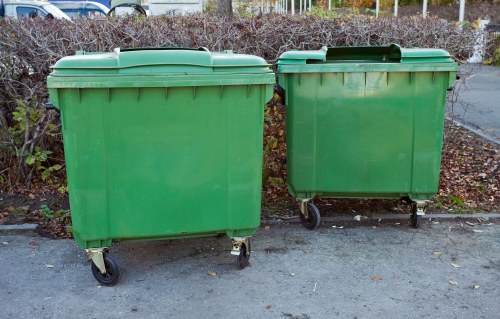 At Rubbish Removal London, sustainability is not treated as an optional extra; it is built into the way collections are planned, sorted, and sent onward for recovery. Our approach to London rubbish removal focuses on keeping reusable and recyclable materials out of landfill wherever possible. By using local facilities, working with charitable partners, and operating low-carbon vans, we aim to make every clearance more responsible from start to finish.
We work toward a recycling percentage target of 90% across suitable loads, with the goal of steadily improving as sorting methods and local infrastructure develop. That means items are assessed for reuse first, then broken down for material recovery, and only the smallest unavoidable residue is disposed of. For many clients seeking sustainable waste removal in London, this balance between speed and environmental care is one of the main reasons to choose a structured professional service.
After collection, waste is taken through a network of local transfer stations and recycling centres where materials can be separated efficiently. In London, borough-level waste systems often encourage careful separation of mixed recyclables, food waste, garden waste, and residual rubbish, and we align our process with those local expectations. This is especially useful in areas where mixed household and commercial loads need to be sorted quickly before onward processing.
How Recycling Fits into Everyday Clearance
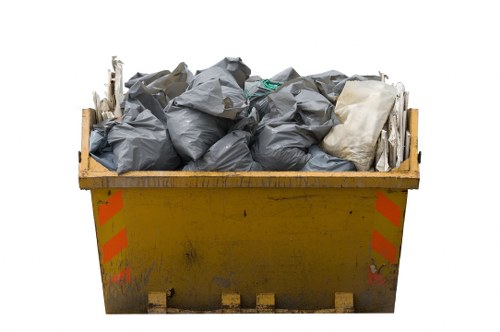 A large part of rubbish removal in London is about making sensible decisions on site. Wood, metals, cardboard, green waste, and certain plastics can often be recovered through separate streams, while electrical items require specialist handling. Our teams look for opportunities to divert suitable items into the right route at the earliest stage, reducing contamination and improving overall recovery rates. This is particularly important in dense urban areas where space is limited and fast, accurate sorting matters.
We also pay close attention to borough-specific waste habits. In many parts of the city, residents are already used to separating paper, glass, food waste, and dry mixed recycling, so our service is designed to support that culture rather than disrupt it. Where local rules differ, we adapt the load handling process so that materials are not mixed unnecessarily. This practical approach to waste separation helps protect the value of recyclable material before it reaches the transfer station.
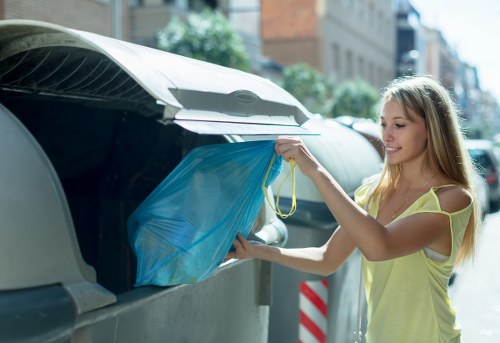 Our sustainability work also includes item recovery for reuse. Sofas, wardrobes, desks, kitchenware, and other usable goods are checked carefully before recycling is considered. If a piece can be donated or repurposed, that option is always preferred over dismantling. In a city with constant movement and frequent refurbishments, this reuse-first approach helps keep useful items in circulation for longer and reduces the pressure on disposal routes.
Partnerships, Low-Carbon Transport and Responsible Disposal
We maintain partnerships with charities and community reuse organisations so that suitable items can be directed toward households, projects, and people who can benefit from them. Furniture, small appliances, books, and home essentials are typical examples of goods that may be suitable for donation if they are in clean and workable condition. These partnerships support a circular economy model, giving products a second life before recycling becomes necessary.
Transport is another important part of the environmental picture. Our low-carbon vans are chosen to reduce emissions compared with older, less efficient vehicles, and route planning is used to minimise unnecessary mileage. In a city as busy as London, careful scheduling makes a real difference: fewer empty trips, shorter idle times, and smarter route sequencing all help lower the carbon footprint of each collection.
When loads arrive at local transfer stations, materials are assessed for transfer into specialist recovery channels. Metals may be sent for smelting, clean timber can be redirected for reuse or biomass processing, and segregated green waste may be composted or treated for soil improvement. This layered approach to London waste recycling is designed to match the type of material with the most appropriate recovery pathway, rather than relying on one-size-fits-all disposal.
Working with the City’s Recycling Culture
London boroughs often encourage residents and businesses to separate waste by category, and we reflect that mindset in the way our service operates. In mixed-use neighbourhoods, for example, office clearances may generate paper, e-waste, and packaging in the same job, while residential properties may include textiles, kitchenware, and garden cuttings. By recognising these patterns early, our team can sort the load more effectively and improve the chance that materials are recycled rather than discarded.
 Another key part of our sustainability policy is education through action: every collection is handled with the aim of making the cleaner, greener option the easiest one. We focus on transparent processing, responsible chain-of-custody decisions, and consistent material recovery standards. For customers looking for eco-friendly rubbish removal London services, this means their waste is not simply taken away; it is directed into a system built around reuse, recovery, and reduced environmental impact.
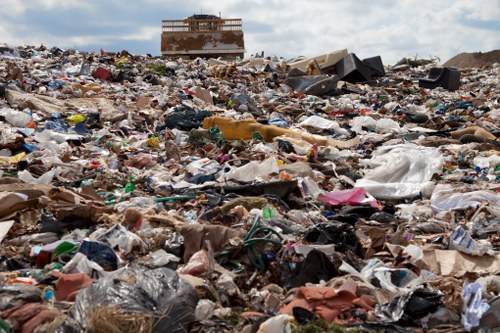 Our commitment to recycling and sustainability continues to evolve as new facilities, materials, and recovery methods become available across the capital. From transfer stations and charity partnerships to low-carbon vehicles and borough-aware sorting practices, every part of the process is designed to support a cleaner city. With Rubbish Removal London, sustainable clearance is not a slogan; it is the standard behind the service.