Garden Clearance in London
Clear, practical garden clearance for homes and businesses across London

If your outdoor space has become overgrown, cluttered, or simply hard to manage, Garden Clearance in London can make a real difference. From small city courtyards to larger suburban gardens, local properties often collect more garden waste and unwanted materials than people expect. Broken pots, old fencing, tangled shrubs, soil waste, fallen branches, and a build-up of green cuttings can quickly take over a space and make it difficult to use.
Whether you are preparing for landscaping, moving house, clearing a rental property, or dealing with a garden that has been left untended for months, a professional clearance service gives you a faster and safer way to get the job done. London homes vary hugely in layout and access, so using a local team that understands tight side passages, basement levels, shared entrances, permit-controlled roads, and limited parking can save valuable time and hassle.
Book your garden clearance service now if you want the outdoor area cleared properly and with minimal disruption. A good clearance team will work methodically, remove waste responsibly, and leave you with a space that is ready for gardening, repairs, or simply enjoying again.
What garden clearance typically includes
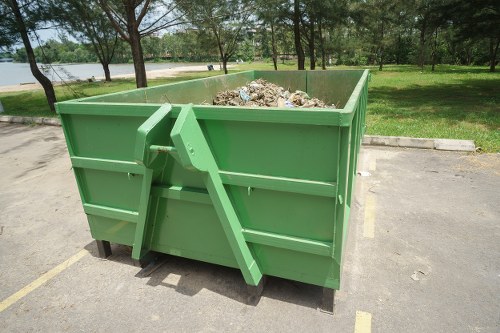
Garden clearance is more than just collecting a few bags of hedge trimmings. It is a practical service designed to remove a wide range of unwanted materials from outdoor areas. In London, this often includes everything from seasonal cutbacks to full clear-outs after a property change or renovation project. The exact service can be adapted to suit the site, access, and type of waste involved.
Many customers ask what is normally taken away. In most cases, a clearance can cover green waste, light rubble, soil, leaves, branches, weeds, overgrowth, pots, broken garden furniture, old sheds or shed contents, fencing offcuts, plastic planters, compost bags, and general outdoor junk. For commercial spaces, it may also include dead planting, planter waste, packaging, event debris, or materials left behind after maintenance work.
The goal is simple: to restore order and remove anything that is no longer wanted or usable. If a garden has become too cluttered to maintain, a clearance can create the blank slate needed for replanting, lawn repair, patio work, or ongoing maintenance. Contact us today to discuss the kind of waste and access you have, and we can advise on the best approach.
Why London gardens often need specialist clearance

London presents its own set of challenges when it comes to garden clearance. Properties in areas such as Camden, Islington, Hackney, Hammersmith, Wandsworth, Lambeth, Southwark, Ealing, Brent, and Greenwich can have very different outdoor layouts, but many share a common issue: limited access. Narrow side returns, steep steps, terrace houses, shared gates, and small internal courtyards can make waste removal awkward without the right equipment and planning.
Parking and loading can also be difficult in busy residential streets or around commercial premises. That means a local team needs to be prepared to work efficiently, move waste safely through the property, and reduce disruption to neighbours, tenants, or customers. This is one of the main reasons local garden clearance services are valued in London—they are used to the practical realities of working in dense urban settings.
London’s mixed property stock also adds variety to the work. Victorian terraces may have long but narrow gardens, while flats can have shared roof terraces or communal planting areas. Townhouses may hide overgrown rear gardens behind multiple levels of access, and commercial sites often require fast turnaround to keep entrances, courtyards, and staff areas tidy. A service tailored to London understands these differences and can adapt accordingly.
Suitable for residential and commercial customers

Garden clearance is useful for a wide range of customers, not just homeowners with an untidy back garden. Landlords, letting agents, property managers, builders, shop owners, offices, hospitality businesses, housing associations, and facilities teams all need outdoor spaces to stay clear, presentable, and safe. If a garden or external area has become unmanageable, the problem can affect the look and use of the entire property.
For residential customers, the service is often booked before a sale, after tenants move out, after a long period of neglect, or before landscaping begins. For commercial customers, it may be used to clear service yards, staff smoking areas, courtyard planting, access routes, front-of-house spaces, or neglected outdoor sections that are affecting kerb appeal and usability.
In many cases, garden clearance in London is not about a dramatic one-off transformation alone. It is about getting a property back to a manageable condition so that routine upkeep becomes easier. Once the bulk waste and overgrowth are removed, ongoing maintenance is usually much simpler and more affordable to keep under control.
Common reasons people request garden clearance

Customers in London request clearance services for many practical reasons. Some gardens have been left for years and need a full reset. Others have just become untidy after a period of wet weather, high winds, or repeated pruning. A lot depends on the season, the type of planting, and how much time the property owner has to manage the work themselves.
Typical reasons include moving into a new home, getting a property ready for sale or rent, reclaiming an overgrown garden, clearing waste after landscaping, removing left-behind items from a tenant, preparing for patio or decking work, and making outdoor spaces safer for children, pets, or visitors. In London, busy schedules often mean these jobs are delayed until they become too large to handle in a weekend.
Other common situations include removing branches after storms, clearing a garden following DIY projects, taking away old timber and fencing, and dealing with bulky items that are awkward to dispose of through normal household collections. When the task feels too big, too messy, or too time-consuming, a local clearance team can step in and take care of it properly.
How the service works
A straightforward process designed to save time
The process usually starts with a simple enquiry or request for a quote. Because every property is different, it helps to share as much information as possible about the size of the garden, the type of waste, access details, parking restrictions, and whether any items need to be dismantled before removal. Clear information helps the team plan the work and bring the right number of people and the right equipment.
On the day of the clearance, the team will usually assess the area, confirm what needs removing, and begin by separating the waste into manageable sections. Heavier materials may be shifted first, followed by green waste, light junk, and larger items. In narrow London properties, careful movement is important to avoid damage to walls, floors, gates, or shared pathways. Good planning matters just as much as physical effort.
Once everything has been removed, the space is left clear and ready for the next stage, whether that is maintenance, gardening, repairs, or a property viewing. Some customers want the area left completely tidy, while others only need the waste removed so that their own team can carry on with the next phase. Either way, the service should be flexible enough to match the job.
What can be included in a typical clearance
Items and materials often removed from London gardens
Outdoor clearances can involve many different materials. The list below gives a practical idea of what is often taken away during a standard garden clearance:
- Green waste such as hedge cuttings, grass, weeds, and leaves
- Branches, twigs, dead plants, and root material
- Soil, turf, and compost waste
- Old fencing panels, posts, and trellis sections
- Broken plant pots, trays, and plastic planters
- Bulky garden furniture, damaged seating, and tables
- Outdoor storage items, shed contents, and general clutter
- Loose timber, packaging, and DIY leftovers from garden projects
- Rubble, bricks, and small non-hazardous construction waste from outdoor works
- Items left behind after tenancy changes or property refurbishments
Some jobs are light and tidy, while others involve dense overgrowth, damp waste, or mixed materials that need sorting. A local team will usually assess the mix of waste before starting, especially if the garden contains items that have been exposed to weather for a long time. This helps keep the work efficient and the removal process well organised.
Request a free quote if you are unsure what your clearance includes. A useful quote should reflect the actual work needed rather than give you a vague answer, so it is worth describing the space in as much detail as possible.
Preparation checklist before your garden is cleared
Simple steps that help the work go smoothly
Most customers do not need to do much before the team arrives, but a little preparation can make the job faster and safer. In London, where access is often tight and parking is limited, any advance help can reduce delays. It also helps ensure that personal items are not removed by mistake and that the team can focus on the actual clearance.
Useful preparation steps may include identifying what stays and what goes, moving cars if possible, unlocking gates or shared access points, and letting neighbours know if access will be through a shared path. If there are delicate plants, water features, or fixtures you want protected, point them out before the work begins. If the garden is very overgrown, a quick walkthrough of the space can help identify hidden items or trip hazards.
Here is a short checklist many London customers find helpful:
- Separate any items you want to keep from the waste
- Make access as clear as possible to the garden
- Check for locked side gates, communal entrances, or basement routes
- Remove small valuables or personal effects from outdoor storage
- Tell the team about fragile features, fish ponds, or hidden steps
- Share parking or loading restrictions if they apply
Pricing factors for garden clearance in London
What affects the cost of the service
Customers often want to understand what influences the price of a garden clearance. While exact figures vary by provider and job size, several common factors affect the overall cost. These include the amount and type of waste, the time needed on site, the accessibility of the garden, and whether any dismantling or heavy lifting is required.
Access is especially important in London. A large pile of waste in a straightforward driveway is very different from a similar amount hidden behind a basement flat, narrow terrace, or shared rear garden with multiple steps. The more awkward the access, the more planning and labour may be needed. Parking restrictions, congestion, and unloading distance can also influence how a team schedules the work.
Other factors can include sorting mixed waste, removing stubborn roots, handling wet or compacted green waste, or working around ongoing building or landscaping projects. If the garden contains a combination of organic waste and bulky household items, the work may take longer than a simple green clearance. The best approach is to provide a clear description and ask for a tailored quote based on the actual site conditions.
Why choose a local London company
Practical knowledge that makes a real difference
Choosing a local company for Garden Clearance in London brings several advantages. A local team is more likely to understand borough restrictions, busy street layouts, parking limitations, access routes, and the time pressures that come with working in the city. That kind of local experience can save time and help the job run more smoothly from start to finish.
Another benefit is responsiveness. When outdoor waste is causing problems, whether for a family home, rental property, or business site, customers usually want the area cleared quickly and without unnecessary back-and-forth. A London-based service is better placed to arrange a practical visit, work around local conditions, and respond to the kind of properties commonly found in the capital.
Local teams are also used to the variety of gardens found across the city: compact mews courtyards, roof terraces, shared communal plots, rear gardens behind terraces, and larger suburban outdoor spaces in areas such as Richmond, Bromley, Harrow, Barnet, Enfield, Croydon, Dulwich, or Wimbledon. That familiarity matters when every site is a little different.
Areas covered across London
Serving neighbourhoods throughout inner and outer London
Garden clearance services are useful right across London, from central postcodes to outer boroughs. Demand often comes from places with dense housing, shared access, and gardens that are difficult to maintain without help. It also comes from suburban areas where larger plots can generate bigger amounts of waste after pruning, seasonal tidy-ups, or major garden projects.
Common service areas include Central London, North London, South London, East London, West London, and many surrounding residential districts. Customers in places like Clapham, Fulham, Battersea, Kensington, Chelsea, Stratford, Leyton, Walthamstow, Tottenham, Peckham, Herne Hill, Putney, and Acton often need a team that can handle access constraints and work efficiently around local road conditions.
Commercial jobs may also come from business districts, retail streets, managed properties, and hospitality venues where tidy outdoor space is part of a professional appearance. If your location is outside the immediate list of areas above, it is still worth asking. Many local teams cover a wider London radius depending on the job and access requirements.
Health, safety, and responsible disposal
Keeping the work tidy, careful, and compliant
Safety is important during any clearance job, especially where overgrowth hides sharp objects, broken materials, slippery surfaces, or uneven ground. In London gardens, this can happen in older properties, neglected plots, and sites that have accumulated debris over time. A careful approach reduces the risk of damage and helps protect anyone nearby, including residents, tenants, and neighbours.
Responsibility also matters after the waste has been removed. Green waste, timber, mixed rubbish, and reusable materials should be handled appropriately rather than dumped casually. Customers increasingly want a service that clears the garden properly and manages the waste in a sensible way. A professional team should explain how the job is handled and be able to separate different types of material where needed.
It is always worth choosing a service that takes both the site and the waste seriously. That includes working with care in shared access areas, not blocking pavements unnecessarily, and leaving the property in a condition that is better than when the team arrived.
Garden clearance before landscaping or renovation
Preparing the site for the next stage
Many customers book clearance before a larger project begins. If you are planning new planting, turf, decking, paving, a patio, fencing, or a full garden redesign, clearing the site first is often essential. Removing old materials, unwanted growth, and hidden waste gives landscapers or builders a clean starting point and helps avoid delays later on.
This is particularly useful in London, where outdoor space is often limited and project timelines need to be efficient. A cluttered or overgrown garden can slow down surveying, measuring, and material delivery. Once the clearance is complete, the next tradesperson or garden specialist can work more accurately and with fewer surprises.
For homeowners, this can also help when you want to make better use of every square metre. Many London gardens are not large, so tidying them properly can dramatically improve how the space feels. What may have seemed like a neglected patch of outdoor waste can become the foundation for a seating area, planting border, play space, or practical low-maintenance garden.
Frequently asked questions
Real questions customers often ask before booking
How do I know if I need garden clearance or regular gardening?
If the main issue is waste removal, overgrowth, or a garden that has become difficult to access, clearance is usually the better choice. If the job is mainly routine mowing, weeding, or trimming, standard gardening may be more suitable. Many London customers need a mix of both, starting with clearance and then moving into regular maintenance.
Can you clear a very overgrown garden?
Yes, many jobs involve gardens that have not been maintained for a long time. The important thing is to share as much detail as possible before the visit, especially if the space is difficult to walk through or access. Overgrown areas may need more time and careful handling, but they are a common type of job in the city.
Do I need to be home during the clearance?
That depends on access and how the job is arranged. Some customers prefer to be present at the start to show what needs removing, while others arrange access in advance and do not need to stay for the full visit. If there are shared entrances or security concerns, it is best to clarify these in advance.
What if the garden contains mixed waste?
Mixed waste is common, especially after a move-out, renovation, or long period of neglect. It can often be cleared as part of the same service, although the exact handling may depend on the type and amount of material involved.
How quickly can I book?
Availability depends on demand, location, and the size of the job. If you need the garden cleared urgently before a property handover, a viewing, or an upcoming project, mention that when you enquire so the team can advise on the earliest practical slot.
Why this service is worth arranging sooner rather than later
Small delays often create bigger jobs
It is easy to put off garden clearance, especially when the outdoor area is out of sight or the weather is poor. But in London, a neglected garden can become more difficult very quickly. Wet waste gets heavier, weeds spread, branches compact, and debris becomes harder to move. Over time, the job can turn from a simple tidy-up into a much larger project.
There are also practical reasons to act sooner. A cluttered garden can reduce usable space, attract pests, create slip hazards, and make maintenance more expensive later on. For landlords and property managers, a messy outdoor area can also affect the way a property is viewed by tenants, buyers, or visitors. Clearing it early helps maintain both appearance and function.
If your outdoor area is beginning to feel unmanageable, it may be the right time to request a free quote and get the process moving. A local team can assess the work and help you decide the best way to get your garden back under control without unnecessary delay.
Choosing the right service for your property
What to look for when comparing options
When choosing a garden clearance provider in London, look for a team that understands local property types, gives clear information about the work, and asks sensible questions about access, waste type, and site conditions. A strong service should feel practical and organised from the first conversation, not vague or rushed.
It also helps if the team is willing to adapt to different environments. A compact terrace garden in Brixton is not the same as a large suburban plot in Ealing or a commercial courtyard in the City. The best providers know how to handle varied sites and how to work efficiently without making unnecessary mess or disruption.
In short, you want a service that clears the garden properly, respects the property, and makes the whole process straightforward. That is especially important in a city where time, access, and neighbour considerations all matter.
Ready to clear your garden?
A simple next step for London customers
If your outdoor space is full of waste, overgrowth, or unwanted items, now is a good time to get it sorted. A professional garden clearance can save you hours of heavy work, reduce stress, and leave the space ready for whatever comes next. Whether you are a homeowner, landlord, tenant, or business owner, local help can make the job much easier.
For Garden Clearance in London, choose a service that understands the realities of city properties and can deal with everything from tight access to mixed waste. If you want to reclaim your garden, prepare for landscaping, or simply make the area safe and usable again, contact us today to discuss your requirements.
Book your service now and take the first step toward a clear, tidy, and more usable outdoor space.