Furniture Clearance in London
Fast, practical help for homes and businesses across the city

If you need furniture clearance in London, you are probably dealing with more than just a few unwanted items. It might be a flat in a converted Victorian terrace, a top-floor apartment with tight stair access, an office moving out of a shared building, or a landlord preparing a property for new tenants. In a city like London, clearing bulky furniture is rarely straightforward, and that is exactly why a local service matters.
Whether you are replacing a sofa, emptying a rental, or clearing out a commercial space, the process has to be efficient, careful, and suited to the realities of London properties. A good clearance service helps remove furniture without turning your week upside down. It should save you time, reduce stress, and take away the heavy lifting, transport, and disposal issues that often come with large items.
From central boroughs to residential streets in outer London, customers often need a team that can work around parking restrictions, loading bays, stair-only access, busy roads, and building rules. Furniture clearance London services are designed for these exact situations, giving you a practical solution when council collections or your own vehicle simply are not enough.
What furniture clearance covers

Furniture clearance is the removal of unwanted items from homes, offices, shops, and other premises. It is usually booked when items are too large, too heavy, or too numerous to move easily. In many cases, customers want a room, flat, or entire property cleared so it can be cleaned, let, sold, refurbished, or returned to use quickly.
Typical items handled in a furniture clearance service include both large and smaller pieces. The exact items can vary, but the service often helps with:
- Sofas, armchairs, recliners, and footstools
- Beds, mattresses, headboards, and bed frames
- Wardrobes, chests of drawers, and bedside cabinets
- Dining tables, chairs, sideboards, and cabinets
- Office desks, task chairs, meeting tables, and storage units
- Reception seating, shelving, and display furniture
- TV units, coffee tables, bookcases, and console tables
Many people searching for furniture removal in London are also dealing with mixed items that need sorting. One room may contain a bed and wardrobe, while another has an old office desk, filing units, or bulky lounge furniture. A reliable service can assess what needs to go, remove it safely, and help keep the property clear of clutter.
Why London customers choose a local clearance team

London creates a set of challenges that are very different from suburban or rural clearances. Streets can be narrow, parking can be limited, and many properties sit in shared buildings with tight hallways, stairs, lifts, or concierge rules. A local team understands how to plan around those realities and make the job easier from the start.
Local knowledge is especially useful in areas with controlled parking zones, congestion, high foot traffic, and time-limited access. If a sofa has to be carried down four flights of stairs in a period conversion or moved out of an office in a busy commercial area, the team needs to arrive prepared. That means the right equipment, enough people, and a plan for loading and transporting items without wasting time.
Choosing a nearby service also helps when you need flexibility. Perhaps your landlord wants a flat emptied before the end of the day, or your office needs furniture removed after business hours. A local London provider is often better placed to arrange a practical slot that fits around building access, resident permits, and other local constraints.
Useful for both residential and commercial customers
Furniture clearance is not just for homeowners. It is equally valuable for:
- Landlords managing end-of-tenancy clearances
- Estate agents preparing properties for viewings
- Letting agents handling move-out furniture
- Offices, studios, and coworking spaces replacing old furniture
- Shops, salons, and hospitality businesses refurbishing premises
- Housing providers and property managers needing fast turnaround
For many customers, the biggest benefit is simply having one trusted team take care of the work. Instead of arranging a van, finding help, carrying heavy items, and worrying about disposal, you can hand the job over and focus on the next stage of your project.
How the service works
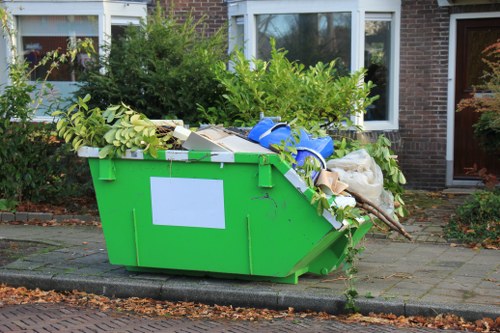
A professional furniture clearance in London service should be straightforward from first enquiry to final collection. While every job is different, the process usually follows a simple structure that helps customers know what to expect.
- Initial enquiry — You describe the items, location, access details, and timing needs.
- Service assessment — The team reviews the clearance requirements and may ask for photos or more information.
- Booking — A suitable time is arranged, taking into account access, parking, and any building restrictions.
- Collection day — The team arrives, removes the furniture, and loads it for transport.
- Final sweep — The area is left tidy and ready for its next use, where agreed.
This simple approach makes it easier for people who are short on time or dealing with a difficult property situation. It is also helpful for tenants who need to leave a flat clear, for landlords between lets, and for businesses that need old office furniture removed with minimal disruption.
Request a free quote if you want a clearer idea of how your furniture clearance could be handled. The more information you can provide about access, item size, and property type, the easier it is to plan the work properly.
What makes the job smoother
In London, a well-planned clearance often depends on small details. These can include lift availability, loading restrictions, time windows, and whether the furniture has to be carried through shared corridors or communal entrances. Mentioning these details early helps the team bring the right support and avoid delays.
Types of furniture clearance jobs we can help with

Every property has its own mix of furniture, and customers often need help with very specific situations. Some clearances are small and quick, while others involve multiple rooms or a full property. The service should be adaptable, not rigid.
Home furniture clearance
Residential jobs can include a single bulky item or a full house clearance. Many London homes have narrow hallways, basements, loft rooms, or awkward staircases that make it hard to move large items safely. A professional team can remove items from:
- Flats and apartments
- Terraced houses
- Converted buildings
- Maisonettes
- Houses in multiple occupation
- Basement and top-floor properties
Office and commercial clearance
Businesses often need old furniture removed during refurbishment, relocation, downsizing, or closure. Office clearances may involve desks, conference tables, storage furniture, seating, and reception items. In commercial properties, timing matters, so many customers prefer a service that can work around opening hours or building access rules.
Landlord and letting property clearance
When tenants move out and leave furniture behind, landlords and agents often need a fast solution. The goal is usually to clear the space efficiently so the property can be cleaned, repaired, marketed, or re-let without delay. Speed and reliability are especially important in London’s fast-moving rental market.
Common clearance situations in London
Customers often call for help after:
- End of tenancy move-outs
- Office relocations
- Refurbishment projects
- Inheritance or probate situations
- Student property changeovers
- Retail fit-outs and shop closures
Why furniture clearance is often the better choice
Sometimes people consider moving furniture themselves, hiring a van, or asking friends to help. That may work for small items, but once sofas, wardrobes, beds, and heavy cabinets are involved, the risks and effort rise quickly. Professional clearance is often the better option when the job needs to be done safely and without unnecessary stress.
One of the main advantages is convenience. A team that does this work every day knows how to dismantle items where needed, carry furniture safely, and load it efficiently. That matters in homes with delicate walls, tight stairs, or shared access areas where damage can happen easily if items are moved without care.
Another major benefit is time. London customers are often balancing work, family, travel, and property deadlines. A clearance service helps remove a task from the list and gives you back valuable time. If the property needs to be ready for cleaning, decorating, or handover, that can make a real difference.
There is also the practical question of disposal. Large furniture is not always easy to move on your own, and not every item can simply be left out for a standard collection. Having a team manage the uplift and transport makes the job much more manageable and helps avoid last-minute complications.
Good reasons to book a clearance team
- Heavy items are difficult or unsafe to move alone
- The property has awkward access or stairs
- You need the space cleared quickly
- You are dealing with multiple items or whole rooms
- You want less disruption to neighbours, tenants, or staff
- You want one simple booking instead of several separate arrangements
If you need London furniture clearance for a home or business, using a local team is often the most practical way to get it done properly.
Preparing for your furniture clearance
Good preparation can make the appointment quicker and more efficient. You do not need to do all the heavy work yourself, but a little organisation helps the team complete the job smoothly.
Simple preparation checklist
- Identify which furniture items need to be removed
- Separate items you want to keep from items to clear
- Clear pathways where possible
- Let the team know about stairs, lifts, narrow access, or parking limits
- Check whether building management needs notice before collection
- Remove personal items, paperwork, and valuables from drawers or storage units
- Tell the team if anything is especially heavy, fragile, or fixed in place
If you are clearing a flat in central London, for example, it helps to know whether parking is available nearby or if loading has to happen at a specific time. If you are in a block with a concierge or restricted access, that should be arranged in advance so the job can start without delays.
For office customers, it can also help to label items that need removing and agree access with reception or building management. The easier you make the handover, the faster the clearance can usually be completed.
Before the team arrives
It is worth double-checking whether any furniture is attached to the wall, built in, or too large to fit through the doorway without being dismantled. Sharing this information early allows the service provider to prepare properly and avoid surprises on the day.
Pricing factors: what affects the cost of furniture clearance?
Many customers want to know what influences the cost of furniture clearance, especially in a city where access and timing can vary so much from one property to another. While exact prices are not usually fixed without details, the main factors are easy to understand.
The type and quantity of furniture are a big consideration. Clearing one sofa is different from clearing a multi-room property full of beds, wardrobes, and office furniture. The amount of labour needed, the size of the vehicle, and the time on site all affect the work involved.
Access also matters. A ground-floor property with nearby parking is much simpler than a fifth-floor walk-up in a busy area with limited loading space. Stairs, lifts, long carrying distances, and narrow hallways can all influence how the clearance is planned.
Other common pricing factors include:
- How much furniture needs removing
- Whether items need dismantling first
- How easy the property is to access
- Parking or loading restrictions near the site
- Whether the job is residential or commercial
- The urgency or preferred booking time
If you are comparing services, look for clear communication and a straightforward quote process. A sensible provider will ask the right questions first so the booking is based on real job details rather than guesswork.
Contact us today if you want to discuss the items you need removed and get a tailored quote based on your property and access details.
Areas covered across London
A local furniture clearance service should be able to cover a wide range of London locations, from central areas to outer boroughs. Because the city is so varied, customers often need support in places where parking is tight, streets are busy, or building access is more complicated than expected.
Common areas and neighbourhoods where furniture clearance is often requested include central districts, residential neighbourhoods, and business hubs across:
- North London
- South London
- East London
- West London
- Central London
- Inner and outer boroughs
Typical customer locations can include high-rise flats, warehouse conversions, terraces, mansion blocks, serviced apartments, office buildings, retail units, and mixed-use properties. That variety is exactly why local experience is valuable. A team that regularly works across London is more likely to understand the flow of the area, the access restrictions, and the timing required for a smooth removal.
If your property is in a busy road, a controlled parking zone, or an area where vehicles cannot stay for long, let the team know early. It is much easier to plan a job around London conditions than to improvise on the day.
What to expect from a reliable clearance service
When booking furniture clearance, most customers want the same things: a team that turns up when agreed, handles items carefully, works efficiently, and keeps communication clear. That is especially important in London, where delays can affect neighbours, staff, tenants, or building schedules.
A reliable service should be willing to ask practical questions before the job begins. How many items are there? Which floor is the property on? Is there a lift? Can a vehicle stop nearby? Is the furniture in one room or spread across several? These details may seem small, but they make a major difference to the smoothness of the job.
You should also expect a respectful approach to the property itself. Hallways, communal areas, and entrance routes should be treated carefully, particularly in shared buildings where other residents or businesses may be affected by the collection. This matters just as much as the removal itself.
Signs of a well-run service
- Clear communication before the appointment
- Practical questions about access and item size
- Flexibility for homes and businesses
- Careful handling of heavy and awkward furniture
- Awareness of London parking and building restrictions
- A tidy finish after the clearance is complete
If you are looking for furniture clearance London support for a one-off job or a repeat requirement, choosing a team with local experience can make the whole process much easier.
Frequently asked questions
Do you clear single items as well as full rooms?
Yes. Many customers only need one or two bulky items removed, such as a sofa, bed, wardrobe, or office desk. Others need several rooms cleared. The service can usually be scaled to suit the job.
Can you help with flats and properties with stairs?
Yes. London properties often have stairs, tight turns, and limited lifts. That is a common part of the work, and it is one reason why customers book a clearance team rather than trying to handle it alone.
What if the furniture is in a commercial building?
Commercial clearances are very common. Offices, retail premises, studios, and shared workspaces often need furniture removed during refits, moves, or closures. It helps to share building access details in advance.
Do I need to move the furniture outside first?
No. In most cases, the team should be able to remove furniture from inside the property. If you have already grouped items together, that can help, but it is usually not necessary to carry them outside yourself.
How do I get a quote?
The quickest way is to describe the items, the property type, the floor level, and any access or parking issues. Photos can also help where appropriate. Then you can request a tailored quote based on the actual clearance required.
Can furniture clearance fit around letting deadlines or office moves?
Often, yes. Many customers need a booking tied to a move-out date, refurbishment window, or handover deadline. If you explain the timeline early, the service can usually be planned around it.
Why this service suits London properties so well
London homes and workplaces are diverse, but they share one thing in common: space is valuable. Unwanted furniture gets in the way fast, whether it is blocking a spare room, crowding a rental flat, or making an office feel cluttered and unproductive. A dedicated clearance service helps restore usable space quickly.
That is why this service is especially useful for busy households, landlords with tight turnaround times, and businesses that need practical help rather than a drawn-out project. You get a simpler route to a cleaner, more workable space without having to coordinate transport, lifting, and disposal yourself.
It also helps to have a team familiar with the local layout of the city. London can be unpredictable for access, vehicle stopping, and loading time. A local provider can factor that into the job from the outset, which often means fewer delays and less hassle for the customer.
Whether you are clearing one room or several, the aim is the same: remove what you no longer need, keep disruption down, and leave the property ready for whatever comes next. If that sounds like what you need, book your service now or request a free quote to get started.
Ready when you need it
From a compact studio flat to a large office space, furniture clearance should be simple to arrange and easy to trust. If you need help soon, speak to a local London team and explain the job clearly. With the right information, the clearance can be planned around your property, your schedule, and your access needs.