Council Large Item Collection in London
If you need Council Large Item Collection in London, you are probably dealing with something awkward, heavy, or simply too bulky to fit into a normal bin collection. Sofas, wardrobes, mattresses, broken desks, white goods, and other oversized household or commercial items can quickly become a problem when you are short on space, time, or lifting help. In a city like London, where properties range from compact flats and converted terraces to larger family homes, managed estates, offices, shops, and mixed-use buildings, arranging a practical collection service can make a real difference.
London residents often face additional challenges such as narrow stairwells, lift restrictions, permit-controlled streets, busy loading bays, limited parking, and shared access routes. That is why a local service for large item collection needs to be straightforward, responsive, and suited to the realities of the city. Whether you are clearing a single item from a top-floor flat in Islington, removing office furniture in Canary Wharf, or dealing with old bedroom furniture in a South London maisonette, the right team can save you time, effort, and stress.
This page is designed to help local customers understand what the service involves, what can usually be collected, how it works, and what affects the final quote. If you are ready to clear space and want a reliable option for bulky waste removal, contact us today or request a free quote for your collection.
What Council Large Item Collection in London means
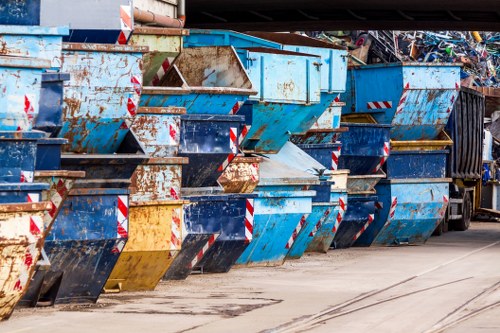
When people talk about council large item collection in London, they are usually referring to a local bulky waste pickup arranged through a borough or a similar collection service. The exact process can vary from one area to another because each London borough manages waste collection differently. Some councils offer bookable bulky waste services for residents, while others have set collection days, limits on item types, or rules for how items must be presented.
In practical terms, the service is intended for oversized items that cannot be placed in normal bins. It is especially useful for households clearing out after a move, replacing furniture, preparing a property for letting, or disposing of old items during a refurbishment. Businesses also rely on bulky item removal when they need to clear desks, chairs, shelving, filing cabinets, or display furniture without interrupting day-to-day operations.
For many London customers, the biggest advantage is convenience. Instead of trying to hire a van, carry heavy items downstairs, or figure out whether an item can be dismantled and moved safely, you can book a collection and have the lifting handled for you. In a busy urban setting, that can be the difference between delaying a clear-out for weeks and getting the job done quickly.
Why London properties make bulky collections more challenging
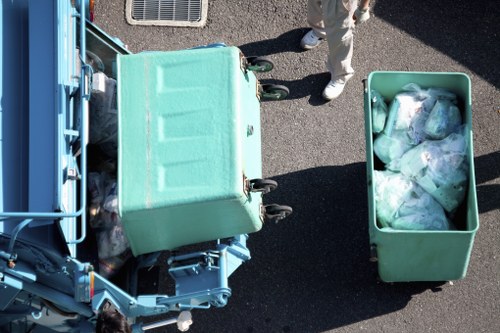
London is not a one-size-fits-all city. A collection in a purpose-built flat in Stratford may look very different from a job in a Victorian terrace in Peckham, a mansion block in Kensington, or a warehouse unit in Walthamstow. Access can change everything. Some buildings have narrow hallways, awkward corners, or staircases that make large furniture difficult to carry. Others have concierge systems, restricted service lifts, or loading rules that must be followed carefully.
Parking is another common issue. In many boroughs, stopping close to the property is not always simple, especially during busy hours or in permit-controlled streets. On-street restrictions, congestion, single yellow lines, and resident-only parking areas can all affect how a collection needs to be planned. That is why local experience matters: a team familiar with London can plan around these realities instead of assuming easy access.
There is also the issue of timing. Many residents want collections arranged around work, school runs, delivery windows, or building management rules. Commercial customers often need service outside peak business hours or at times that reduce disruption. A well-organised large item removal service takes those requirements into account, which helps make the process smoother from start to finish.
Typical items included in large item collection

Different councils and service providers may have their own lists, but large item collection in London commonly covers bulky items such as furniture, mattresses, and domestic appliances. It can also include larger pieces of office or shop equipment, provided they are accepted and prepared correctly. If you are unsure whether your item qualifies, it is always worth checking in advance so there are no surprises on the day.
Commonly collected items include:
- Sofas, armchairs, recliners, and sofa beds
- Mattresses and bed frames
- Wardrobes, drawers, bedside cabinets, and chests of drawers
- Dining tables, coffee tables, and chairs
- Fridges, freezers, washing machines, and cookers
- Office desks, office chairs, shelving, and filing cabinets
- Bookshelves, storage units, and flat-pack furniture
- Garden furniture, large plant pots, and outdoor items
- Selected renovation waste and bulky household clear-out items
Some items may need special handling because of weight, material, or safety concerns. For example, items containing electrical components, gas parts, or hazardous materials may require separate disposal arrangements. A responsible local service will be clear about what can and cannot be taken, and will explain any preparation needed before collection.
What is usually not accepted
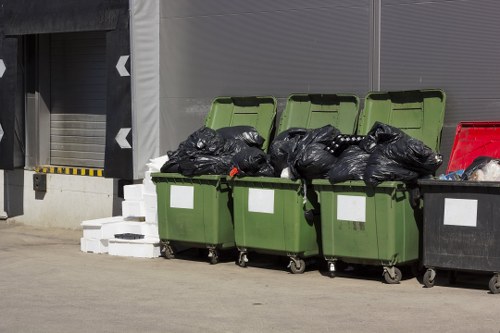
It is just as important to know what may be excluded. Councils and collection providers often restrict items that are dangerous, heavily contaminated, or subject to specialist disposal rules. This helps protect staff, residents, and the environment. In some cases, items can be collected only if they are prepared in a certain way or separated from other waste.
Examples of commonly restricted items may include:
- Hazardous chemicals and solvents
- Paint tins and other liquid waste
- Asbestos or materials suspected of containing asbestos
- Gas canisters and certain pressurised containers
- Clinical or medical waste
- Large quantities of rubble or construction waste
- Tyres, batteries, and similar specialist items
If you are dealing with mixed waste after a renovation, probate clear-out, tenancy turnover, or shop refit, it is sensible to identify the bulky items separately. That way, the collection can be planned accurately and any items needing specialist handling can be discussed before the day of removal. Clear communication avoids delays and helps ensure the right vehicle, labour, and disposal route are arranged.
How the service usually works
Although the details can vary depending on the borough or provider, most large item collections follow a similar process. The main idea is to make bulky waste removal as simple as possible for the customer. In many cases, the collection is booked in advance, the items are identified, and the team arrives with the appropriate vehicle and lifting equipment.
Here is a typical step-by-step process:
- You list the items that need removing and share details about access, floor level, parking, and any building restrictions.
- A collection slot or quote is provided based on item type, volume, and collection conditions.
- You prepare the items according to the instructions, such as placing them in an accessible spot or dismantling them if requested.
- The collection team arrives, confirms the items, and removes them safely.
- The items are then taken for disposal, recycling, or another approved route depending on the service and material type.
For London customers, the accuracy of the access details is especially important. If the team needs to carry items down multiple flights of stairs or navigate long internal corridors, that can affect planning. Similarly, if the item is in a basement flat, loft conversion, or rear mews property with limited vehicle access, the service needs to be set up properly from the start.
Why this matters for flats, estates, and commercial sites
In many London buildings, especially larger estates or managed developments, collections need to be co-ordinated with property managers or concierge staff. In commercial settings, the service may need to avoid customer-facing hours, deliveries, or office meetings. A local collection team that understands these realities can help reduce friction and keep the clear-out moving.
What is included in a well-organised collection
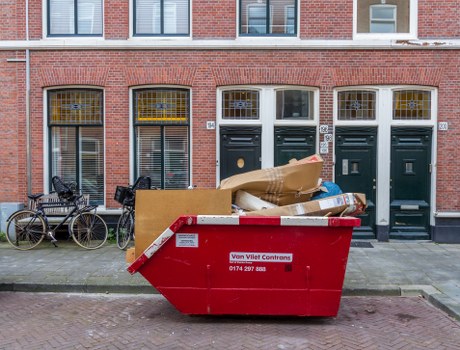
A good large item collection service is not just about lifting a sofa and driving away. It should provide practical help that reduces the burden on the customer. For many people, the value lies in the whole experience: clear communication, punctual arrival, safe handling, and appropriate disposal of the collected items.
Depending on the service, what may be included is:
- Initial item assessment and collection planning
- Advice on what needs to be prepared before the visit
- Loading and removal of bulky items from the property
- Careful handling around shared hallways, staircases, and common areas
- Transport to an approved facility for sorting or disposal
- Separation of reusable or recyclable materials where possible
Some customers only need a single item removed, while others require a full room clear-out. In both cases, the service should be designed to keep things simple. If you have a small flat in Camden, a family house in Ealing, or a commercial unit near a busy high street, the goal is the same: clear the item quickly and safely, with as little disruption as possible.
Preparing for your collection
Preparing properly can make the collection smoother and can help avoid delays or extra lifting. For London residents, small practical steps often make a big difference, especially where access is tight or parking time is limited. Good preparation also helps the team work more efficiently once they arrive.
Useful preparation steps include:
- Measure large items and check they can fit through doorways or stairwells if they need to be moved from inside the property
- Remove personal belongings, valuables, and paperwork from drawers, cupboards, and cabinets
- Disconnect appliances safely before the collection day if instructed
- Empty fridges and freezers and allow them to defrost if required
- Make sure the path to the items is clear of obstacles, loose rugs, and trip hazards
- Inform the team about lifts, concierge desks, restricted access, or parking rules in advance
If you live in a managed block, it is worth checking building rules before the appointment. Some properties require notice for removals, lift protection, or specific loading bay arrangements. In a city where many homes and businesses share common access, even a simple collection is easier when everyone knows what to expect.
When dismantling may help
Not every item needs to be dismantled, but for some furniture it can make the job easier. Beds, modular wardrobes, large shelving, and certain office desks may be simpler to remove if they are broken down first. If dismantling is not practical, a collection team may still be able to handle the item, provided access and safe lifting conditions allow it.
Pricing factors and what affects the quote
People often want to know how the cost is worked out. While exact prices can vary and should always be confirmed individually, there are common factors that affect a bulky item collection quote in London. Understanding them helps you compare services fairly and avoid confusion when booking.
Common pricing factors include:
- The number of items or the amount of space they take up
- The weight and type of the items
- Whether the items are easy to access or need carrying from upper floors
- Parking availability and loading restrictions
- Any special handling required for awkward or heavy objects
- The level of urgency or chosen appointment window
- Whether there are mixed materials or separated items needing different disposal routes
For example, a single sofa on the ground floor with easy access will usually be simpler to manage than multiple wardrobes from a third-floor flat with no lift. Likewise, a commercial clearance from a street-level shopfront may be more straightforward than a rear-office collection in a building with restricted vehicle access. A transparent service will explain what is included before you commit.
Why a clear quote matters
Customers value clarity because it helps them plan their day and their budget. A clear quote or estimate should reflect the real conditions of the job rather than relying on vague assumptions. If a property has difficult access, it is better to mention it early so the collection can be arranged properly.
Why choose a local London team
There are practical advantages to using a local team for Council Large Item Collection in London. London boroughs differ in collection rules, road layouts, and property types, so local knowledge really matters. A team that regularly works in the city is more likely to understand how to navigate permit zones, one-way streets, busy high streets, and estate access arrangements.
Local experience also helps with timing. In many areas, traffic conditions can change quickly depending on the time of day. A locally based service can plan around these realities more effectively, which is especially useful for customers in central locations, dense residential streets, and busy commercial districts. Whether your property is in Hackney, Lewisham, Hammersmith, Barnet, Southwark, or elsewhere in Greater London, having a team that knows the local environment can reduce avoidable complications.
Another benefit is flexibility. Local providers are often better placed to handle short-notice requests, multiple item collections, and properties with unique access needs. For landlords, letting agents, facilities managers, and homeowners alike, that flexibility can be a big help when schedules are tight.
Residential and commercial customers
Although many people think of bulky waste removal as a household service, London businesses rely on it too. Offices may need desks, chairs, and storage removed after a move or refurbishment. Shops may require shelving, counters, and old display units to be cleared. Hospitality venues may need kitchen equipment or furniture removed as part of an upgrade. The same applies to landlords preparing for new tenants or estate managers clearing communal items.
Areas covered across London
A well-run collection service should cover a wide area across the capital. Because London is so varied, customers often want to know whether their area is included before they book. Service coverage may extend across central, north, south, east, and west London, including residential streets, council estates, business districts, and mixed-use developments.
Examples of areas often served include:
- Central London locations such as Westminster, Holborn, and the West End
- North London areas including Camden, Islington, Haringey, and Enfield
- South London areas including Lambeth, Southwark, Croydon, Lewisham, and Wandsworth
- East London areas including Tower Hamlets, Newham, Hackney, and Waltham Forest
- West London areas including Ealing, Hammersmith and Fulham, Brent, and Hounslow
- Outer London neighbourhoods and surrounding boroughs where bulky collection is available
Because access conditions vary even within the same borough, customers are encouraged to share the property type, floor level, and nearest loading point when requesting a quote. That helps the service team plan accurately and give realistic advice about the collection.
Environmental responsibility and item handling
Many London customers want to know what happens to the items after collection. While the exact route depends on the service and the item type, responsible disposal practices are important. Where possible, items may be sorted for reuse, recycling, or material recovery rather than simply being discarded.
This matters because bulky waste can include a mix of materials such as wood, metal, fabric, glass, plastic, and electrical parts. Separating those materials appropriately can reduce waste and support better handling. If an item can be reused, repaired, or dismantled into recoverable parts, that can be more beneficial than sending it straight to disposal. Customers who are clearing out responsibly often appreciate knowing their unwanted items are being handled with care.
For households and businesses alike, choosing a service that takes disposal seriously is a sensible decision. It provides peace of mind and helps ensure bulky items are removed in a way that suits both the property and the wider city environment.
Frequently asked questions
How do I know whether my item is suitable for collection?
If it is too large for normal bins and can be moved safely by the collection team, it may be suitable. The best approach is to list the item clearly and mention anything unusual about its size, weight, or condition.
Can you collect items from flats with no lift?
Yes, many collections in London involve flats, maisonettes, and upper floors. It helps to confirm the floor level, stair access, and whether there are any building restrictions. This allows the service to be planned correctly.
Do I need to put the item outside?
Not always. Some services collect from inside the property, while others may ask that items be moved to a ground-floor or accessible point. It depends on the service arrangement, the building layout, and the type of item.
Can businesses book bulky item collection?
Yes. Offices, shops, landlords, and facilities teams frequently need large item removal. Commercial bookings may involve desks, shelving, filing units, display fixtures, or mixed bulky waste after a move or refurbishment.
What if I have more than one bulky item?
That is common. Many customers book collections for multiple items at once, such as a sofa, mattress, and wardrobe. The key is to list everything upfront so the collection can be priced and scheduled accurately.
How far in advance should I book?
It is best to book as early as possible, especially if you need a specific day or if the collection must fit around a move, tenancy change, or building schedule. However, if you need help urgently, it may still be worth asking about the next available slot.
When to request help right away
There are moments when waiting only makes the problem worse. If a bulky item is blocking access, taking up needed room in a small flat, or causing issues for a business space, it makes sense to arrange collection promptly. The same applies if you are preparing for decorators, new tenants, furniture delivery, or a property sale.
Common situations where customers request urgent help include:
- End of tenancy clear-outs
- Moving house and needing items removed quickly
- Replacing damaged or outdated furniture
- Clearing a property after refurbishment
- Removing office furniture before a fit-out
- Dealing with a single oversized item that cannot be stored any longer
If any of those sound familiar, booking a collection sooner rather than later can save time and prevent the item becoming a long-term obstacle.
Book your service now
Whether you are clearing a single mattress, several pieces of furniture, or a bulky mix of household and commercial items, a local collection service can make the process much easier. Council Large Item Collection in London is all about solving a practical problem quickly, safely, and with minimal disruption to your day.
If you need help with access-heavy properties, limited parking, stair-only flats, or business clear-outs, a local team is well placed to handle the job. Request a free quote, share the item details, and book your service now if you are ready to clear space and move forward.
Contact us today to discuss your large item removal needs and arrange a collection that works for your London property.