Rubbish Removal in London
If you need rubbish removal in London, chances are you want the job handled quickly, safely, and with as little disruption as possible. Whether you are clearing out a flat in Zone 2, emptying a basement in a Victorian terrace, dealing with builders’ waste after a renovation, or simply getting rid of bulky items that will not fit in your own bin, a local waste collection service can make the process much easier.
London presents a unique set of challenges. Narrow streets, controlled parking zones, shared entrances, stair-only access, basement conversions, and busy weekday traffic can all make bulky waste removal harder than it first appears. A local team understands these conditions and can plan around them, saving you time and hassle while keeping the clearance safe and efficient.
From single-item collections to full property clearances, rubbish removal services across London are used by homeowners, tenants, landlords, letting agents, tradespeople, and businesses of all sizes. The right service helps you reclaim space, stay on top of deadlines, and handle waste responsibly without needing to hire a van, lift heavy items yourself, or make multiple trips to a disposal site.
Why London customers choose a professional rubbish removal service

There are many reasons people look for waste clearance in London rather than trying to manage it on their own. In some homes, there simply is not enough time or space to sort, carry, and transport unwanted items. In others, the challenge is physical access: no lift, tight hallways, awkward stairwells, permit-only roads, or a collection point that is too far away for bulky or heavy waste.
A professional team can help with domestic and commercial rubbish removal across the city, including areas such as Kensington, Hackney, Camden, Greenwich, Wandsworth, Islington, Southwark, Ealing, and beyond. That local reach matters because every part of London has its own mix of housing types and access issues. A top-floor flat in Shoreditch, a mews property in Chelsea, a warehouse unit in Stratford, and a family house in Lewisham all need a slightly different approach.
Rubbish removal in London is also about convenience. Many customers want a service that works around the day, not one that adds another task to an already busy schedule. If you are juggling work, family, contractors, or a move-out deadline, arranging a collection can be a far better option than trying to rent a van, recruit help, and spend the weekend loading waste yourself.
What can be removed?

Most rubbish removal services in London cover a wide mix of waste types, as long as items can be safely handled and are accepted for disposal. This typically includes household clutter, furniture, broken appliances, garden waste, old office furniture, bagged rubbish, and light construction debris. It can also include items left behind after tenants move out, after probate clearances, or after refurbishments and strip-outs.
Common examples include:
- Old sofas, armchairs, beds, mattresses, wardrobes, and tables
- White goods and small appliances such as fridges, freezers, washing machines, and microwaves
- General household rubbish, bagged waste, and loft or garage clutter
- Builders’ waste, packaging, timber offcuts, and renovation debris
- Office desks, chairs, filing cabinets, and redundant equipment
- Garden waste, branches, soil, fencing, and shed contents
- End-of-tenancy waste and items left after a move
Some materials need extra care or separate handling, especially anything hazardous, electrical, or regulated. If you are unsure whether your items can be collected, it is best to ask before booking. A reliable local company will explain what can be taken, what needs special treatment, and whether there are any restrictions for certain waste streams.
Typical jobs local customers book
In London, rubbish removal is often booked for very practical reasons. A landlord in Clapham may need a flat cleared between tenancies. A contractor in Battersea may need builders’ waste taken away after a kitchen installation. A family in Hammersmith may want old furniture gone before new carpets are fitted. A shop owner in Soho may need a fast clearance of packaging and broken shelving after a refit.
How the service works
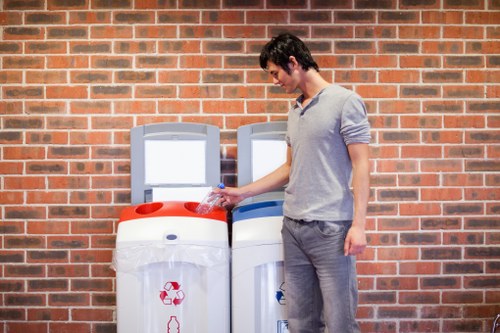
The process is usually simple, which is one of the main reasons customers choose it. You make an enquiry, explain what needs removing, and share a few details about access, location, and the type of waste involved. From there, a collection slot is arranged, and the team comes to lift, load, and remove the rubbish for you.
On arrival, the team will normally assess the volume of waste, confirm what is included, and begin the clearance once everything has been agreed. If the job is straightforward, it can often be completed quickly. For larger or more complex clearances, the team may work room by room, floor by floor, or section by section to make sure everything is removed efficiently and safely.
After loading, the waste is taken away for sorting and disposal. Good rubbish removal services aim to divert recyclable materials where possible, separate reusable items when appropriate, and handle all waste in line with current regulations. That gives customers peace of mind, especially if they are dealing with mixed rubbish from a home, office, or building project.
What happens on the day
On collection day, it helps if the waste is easy to access. In many London properties, that means clearing hallways, unlocking gates, or making sure a concierge, porter, or site contact is aware of the visit. For flats with limited parking, it can also help to note where a vehicle can stop briefly without causing delays or blocking traffic.
Simple steps that make the job faster
Preparing in advance does not need to be difficult. A little organisation can save time and reduce stress for everyone involved. If you can separate the waste into piles, keep items in one area, and identify anything fragile or awkward, the collection can often run more smoothly.
Benefits of choosing a local London team

There is real value in working with a team that knows London well. Local crews are familiar with borough-specific parking rules, busy collection windows, narrow residential roads, and the practical realities of moving waste through older buildings. That local experience can make a noticeable difference on the day, especially if your property is in an area where access is limited or time on the street is restricted.
Why local knowledge matters:
- Understanding of access challenges in flats, terraces, mansion blocks, and converted properties
- Awareness of parking restrictions, loading areas, and congestion patterns
- Familiarity with a wide range of residential and commercial locations
- Faster response for urgent or short-notice clearances
- Better planning for stairs, lifts, tight entrances, and basement access
Local rubbish collectors are also often more flexible when it comes to timing. In London, many customers need early morning, daytime, or end-of-day collections to fit around work, deliveries, building schedules, or estate management rules. A nearby team may be better placed to accommodate those practical needs without turning a simple clearance into a major disruption.
Another benefit is direct communication. When you are arranging rubbish removal in London, you want clear answers about what will be taken, how access will work, and what preparation is needed. A local company can usually give more relevant, property-specific advice than a generic nationwide service that does not understand the local streets or housing stock.
Residential rubbish removal across London

Homeowners, tenants, and landlords all use rubbish collection services for different reasons. In domestic settings, the most common request is usually a mix of old furniture, bagged clutter, broken household goods, and items that have built up over time in a loft, shed, spare room, or storage cupboard. Sometimes the need is linked to a move, a refurbishment, or a family property that needs clearing before sale or re-letting.
London homes come in many forms, and each presents its own challenges. A period property in Fulham may have narrow staircases and small front access. A new-build apartment in Canary Wharf may require coordination with concierge or building management. A house in Wimbledon may have a long drive or rear garden access. A converted flat in Brixton may involve several flights of stairs and limited waiting space for a vehicle.
For domestic customers, the main benefits are speed, lifting help, and reduced stress. Instead of hiring a van, carrying heavy furniture, and trying to find a disposal option for different waste types, you can have the items removed in one visit. That is particularly useful when you are working to a deadline such as an end of tenancy, exchange and completion, or a planned home improvement.
Common household jobs
- Decluttering bedrooms, lofts, basements, and garages
- Removing furniture after redecorating or replacing floors
- Clearing rubbish after a house move or probate process
- Taking away unwanted appliances and broken household items
- Emptying sheds, outbuildings, and garden storage areas
Contact us today if you need home rubbish removal anywhere in London and want a straightforward collection without the heavy lifting.
Commercial and trade waste collection
Business customers need reliable turnaround
Commercial rubbish removal in London is about keeping a property or project moving. Shops, offices, restaurants, salons, studios, warehouses, and managed buildings all generate waste that needs to be removed properly and often at short notice. When rubbish piles up, it can get in the way of trading, customer access, staff movement, or planned works.
Businesses often need a service that is organised, discreet, and able to work within operating hours or tight site rules. A local rubbish removal team can be useful for office clearances in the City, retail waste in central London, post-refit removal in Notting Hill, or warehouse and workshop clear-outs in areas such as Acton, Park Royal, Tottenham, or Bermondsey. Each setting needs careful handling, particularly when there are shared entrances, loading restrictions, or security procedures.
For tradespeople and contractors, builders’ waste collection is a practical part of the job. Renovation debris can build up quickly, especially on busy jobs where space is limited. Having rubble sacks, timber, packaging, tiles, plasterboard, or dismantled fittings collected promptly helps keep the site tidy and allows other work to continue.
Commercial benefits at a glance
- Keeps business premises tidy and more usable
- Reduces disruption to customers, staff, and contractors
- Helps with deadline-driven clearances and refits
- Useful for office moves, closures, and end-of-lease vacates
- Supports safer working environments by clearing walkways and storage areas
What affects pricing?
People often want to know what influences the cost of rubbish removal in London. While exact prices depend on the job, several factors usually shape the quote. The main considerations are the volume of waste, the type of materials, the ease of access, and how long the collection is likely to take.
For example, a few bags of mixed household rubbish from a ground-floor flat will usually be simpler to remove than a full office clearance from a top-floor unit with no lift and restricted parking. Similarly, bulky furniture can take up more room in the vehicle than bagged waste, while heavier builders’ debris may require more labour and handling time.
Common pricing factors include:
- Amount of rubbish to be collected
- Type of waste and whether it needs special handling
- Access conditions such as stairs, lifts, parking, and distance to the vehicle
- Manpower required for lifting and loading
- Urgency or out-of-hours timing
It is sensible to ask for a clear quote based on the actual job rather than guessing from a photo alone. A good local service will ask questions about where the items are located, what they are, and whether there are any access issues. That helps avoid surprises and makes it easier to plan the right size of team and vehicle.
How to get a more accurate quote
To help with a quote, it is useful to describe the waste clearly. Mention whether the items are inside or outside, how many rooms are involved, whether there are stairs, and if any parking or site permits are needed. The more practical detail you can give, the better the service can be matched to your needs.
Preparation checklist before collection
A little preparation can make the removal quicker and easier. You do not need to sort everything perfectly, but a few simple steps can help the team work efficiently when they arrive.
- Identify all rubbish you want removed and keep it in one place if possible
- Separate any items you want to keep from items to be taken away
- Make sure access routes are clear, including hallways, stairs, and doorways
- Check whether building management or a concierge needs notice
- Think about parking space or loading restrictions on your road
- Move delicate items, personal papers, and valuables out of the way
- Let the company know about unusually heavy, awkward, or bulky items
If the waste is in a loft, cellar, rear garden, or outbuilding, it is helpful to explain that in advance. London properties often have less straightforward access than customers expect, so a little warning about steps, gates, or narrow paths can save time on the day. If you live in a flat, it can also help to tell the team whether there is a lift and whether it is large enough for furniture or appliances.
Book your service now if you are ready to get the rubbish removed and want a collection plan that suits your property and schedule.
Areas covered across London
Rubbish removal demand is high across the capital, and local customers often need a service that can cover both central and outer boroughs. A good London-based team should be able to support residential and commercial collections in a wide range of neighbourhoods, from dense city streets to suburban roads and mixed-use districts.
Typical coverage includes, but is not limited to:
- Central London areas such as Westminster, Holborn, Soho, and Covent Garden
- North London areas such as Camden, Islington, Highbury, Finsbury Park, and Tottenham
- East London areas such as Shoreditch, Bethnal Green, Stratford, Bow, and Walthamstow
- South London areas such as Clapham, Brixton, Peckham, Wimbledon, and Greenwich
- West London areas such as Hammersmith, Ealing, Chiswick, Acton, and Kensington
- Docklands and riverside locations including Canary Wharf, Bermondsey, and surrounding districts
This broad coverage is useful because waste collection needs do not always happen in the same type of property. A student flat, family home, managed office, retail unit, and building site all require different planning. The more familiar the team is with the area, the easier it becomes to schedule a collection that works around local conditions.
Local service for busy neighbourhoods
In parts of London where traffic, parking enforcement, or building access is tight, local knowledge can make the difference between a smooth collection and a frustrating delay. That is why many customers prefer a nearby company that knows the streets, the timing, and the practical realities of working in the capital.
Frequently asked questions
How quickly can rubbish be collected?
It depends on availability, the size of the job, and where you are in London. Some smaller collections can be arranged quickly, while larger or more complex clearances may need a little more planning. If you have a deadline, mention it when you request a quote.
Do I need to move everything outside first?
No, not usually. In many cases, the team can remove items from inside the property, including from upper floors, basements, and garden areas. However, making items easier to reach can help speed things up.
Can you handle flat clearances and stair-only access?
Yes, that is a common part of rubbish removal in London. Many properties have no lift, narrow stairs, or awkward entrances, so it is important to mention access details before booking.
What if I only have a few items?
Single-item and small-load collections are often just as useful as full clearances. If you only need one sofa removed, a mattress taken away, or a few bags of waste collected, it is still worth asking for a quote.
Is this suitable for landlords and agents?
Yes. Landlords, letting agents, and property managers regularly use rubbish collection services for end-of-tenancy clearances, abandoned items, and turn-around jobs between occupancies.
Can builders’ waste be collected?
Usually, yes, provided the materials are suitable for collection and have been described accurately. It helps to mention rubble, plasterboard, timber, packaging, and any heavy waste so the right arrangement can be made.
Do I need to sort waste before collection?
Not always. Mixed waste can often be collected, but separating reusable or recyclable items where possible may help the process. If there are special materials, let the service know in advance.
How do I choose the right rubbish removal company in London?
Look for a local team that gives clear information, understands access issues, explains what is included, and is prepared to work around your property type and schedule. That practical approach is especially valuable in London, where no two jobs are quite the same.
Why this service suits real London customers
Customers in London tend to value speed, flexibility, and practicality. There is rarely much extra space available, and there is often a deadline involved. Whether you are preparing a flat for new tenants, clearing out an office before a move, or getting a home ready for renovations, a reliable waste collection service can remove a major task from your list.
What makes the difference is not just the removal itself, but the way it is handled. Clear communication, sensible scheduling, careful loading, and a good understanding of local property layouts all matter. A trusted local company should be able to work efficiently without causing disruption to neighbours, building managers, or passers-by.
Rubbish removal in London works best when it is organised around real-world needs: parking restrictions, access routes, stairways, deadlines, and the type of waste being cleared. That is why many local customers prefer a service that feels straightforward from the first enquiry to the final load being taken away.
If you have been putting off a clearance because it feels too awkward, too heavy, or too time-consuming, now is a good time to act. Request a free quote, explain what needs removing, and arrange a collection that fits your property and your day.
Ready to clear the space?
Contact us today to discuss your rubbish removal needs anywhere in London and book a service that is practical, local, and designed around your requirements.