020 3409 1874
 020 3409 1874




Rubbish removal near Camden Market London local options
Posted on 13/08/2026
Rubbish removal near Camden Market London local options: a practical local guide
If you are looking into Rubbish removal near Camden Market London local options, you are probably dealing with one of two things: a pile that appeared far too quickly, or a clear-out that has quietly snowballed. Camden can be wonderfully lively, but it is not always the easiest place to shift unwanted items. Tight streets, busy footfall, limited loading space, shared access, and mixed residential and commercial properties all make waste removal a little more involved than a simple driveway pickup. That said, with the right local option, it becomes a lot more manageable.
This guide breaks down how rubbish removal works around Camden Market, what options are usually worth considering, how to avoid common mistakes, and what good service should look like in real life. If you want a practical overview before you book anything, you are in the right place.
Why Rubbish removal near Camden Market London local options Matters
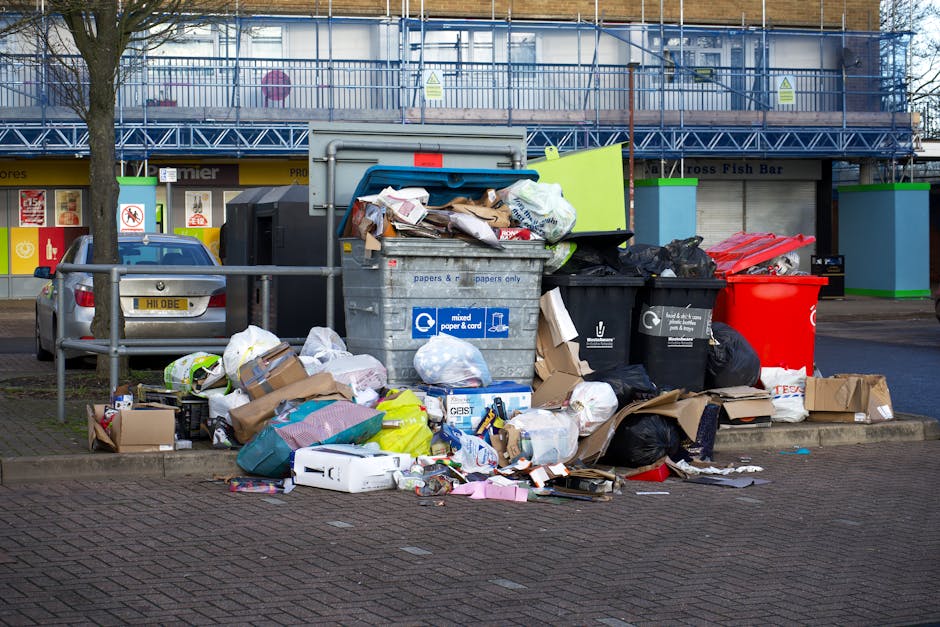
Camden Market is not a generic suburban high street. It is dense, busy, and constantly in motion. Shops restock, cafes generate packaging and food waste, studios clear out old equipment, and homes nearby accumulate the usual mix of boxes, furniture, bags, and broken bits that every household knows too well. A local rubbish removal option matters because it is built around that reality, not around an idealised "easy access" postcode.
In practice, this means you need a service that can work around narrow roads, shared entrances, awkward stairwells, timed access, and the general chaos of central London parking. Sometimes the difference between a smooth job and a frustrating one is simply whether the team understands the area. To be fair, that local knowledge saves a lot of back-and-forth.
It also matters for disposal quality. Waste should be handled responsibly, with reusable or recyclable material separated where possible and hazardous items treated carefully. If you are clearing a flat above a shop, emptying a stockroom, or just getting rid of an old sofa that has somehow become part of the decor, a sensible local option keeps the process fast and less stressful.
For a broader sense of how clearance fits into a tidy, workable home or business, you may find the background in why waste clearance services matter useful as a starting point.
How Rubbish removal near Camden Market London local options Works
Most local rubbish removal services follow a fairly simple flow, though the details vary depending on what you need removed. The process usually starts with describing the waste, the access conditions, and the timing. From there, a team can estimate the labour, vehicle size, and any special handling needed.
For Camden Market and nearby streets, the access conversation is especially important. Can a van stop close by? Is there a loading bay? Will the items need to be carried down stairs or through a narrow passage? These are not small details; they affect the whole job.
Here is the typical pattern:
- You describe the waste. This may include furniture, household junk, office clutter, garden cuttings, builders' rubble, or mixed items.
- The provider assesses the load. In many cases this is done from photos or a short call. If access is complicated, they may ask a few extra questions.
- A collection time is arranged. Local jobs often work best with tight scheduling, especially where parking or loading is time-sensitive.
- The team removes the waste. Depending on the setup, they may carry items from inside the property or collect from a curbside point.
- Items are sorted for disposal. Reusable, recyclable, and general waste streams are typically separated where practical.
If you are dealing with mixed household loads, a general rubbish collection service is often the cleanest solution. For larger projects, you might instead need a more specific option such as house clearance or office clearance.
And yes, if the job includes a stubborn wardrobe or a sofa that refuses to fit round the corner, that is exactly where specialist handling helps. Camden buildings have a way of making ordinary items feel oddly oversized.
Key Benefits and Practical Advantages
The most obvious benefit is convenience, but there is more to it than that. A good local rubbish removal option can save time, reduce stress, and prevent mistakes that become expensive later.
- Less disruption: A team that knows Camden can often plan around traffic, loading restrictions, and busy footfall more efficiently.
- Faster clearance: Many jobs are completed in a single visit, which is ideal when you need a room or shop floor back quickly.
- Reduced lifting risk: Heavy furniture, awkward appliances, and bagged waste can be physically demanding. Having help is not laziness; it is common sense.
- Better sorting: Good services separate furniture, green waste, construction debris, and reusable items rather than dumping everything together.
- Cleaner presentation: Particularly for businesses, a cleared space just feels better. You can breathe again. Honestly, you notice it right away.
There is also a practical financial benefit. When you choose the right method for the amount and type of waste, you avoid paying for more capacity than you need. For example, if you only have a few bulky items, a bulk collection may be more sensible than arranging something larger than necessary. If you want to think through that angle, affordable bulky waste disposal solutions offers a useful framing.
For renovation waste, timing matters too. A job that clears rubble promptly can keep the rest of a project moving. If you are dealing with construction leftovers, builder waste disposal is usually the more relevant route.
Who This Is For and When It Makes Sense
Local rubbish removal around Camden Market is useful for more people than you might think. It is not just for big house moves or major refurbishments. In real life, the need often looks smaller and messier.
You may need it if you are:
- moving out of a flat and need a fast final clear-out
- refreshing a rental property between tenants
- closing or reorganising a retail or hospitality space
- disposing of broken furniture after an upgrade
- clearing accumulated stockroom clutter
- dealing with garden waste from a small courtyard or shared outdoor area
- managing post-renovation debris
- helping a family member sort through a home that has become overwhelming
That last one is worth saying carefully. Some clear-outs are practical; others are emotional. If clutter has built up over time, or if you are supporting someone through a difficult change, a slower and more thoughtful approach is better. The article on supporting a partner struggling with compulsive hoarding is relevant here, as is expert tips for hoarder clean-up.
It also makes sense when your waste is awkward or mixed. For example, a single room clear-out can include furniture, packaging, old files, a few broken tools, and bagged junk all in one go. That is exactly the sort of mixed load where a local service is more practical than trying to do everything in separate trips.
Step-by-Step Guidance
If you want a simple way to approach rubbish removal near Camden Market, use this process. It keeps decisions tidy, which is half the battle.
- Identify the waste type. Separate what you have into categories: furniture, household junk, office waste, garden cuttings, builder debris, electrical items, and anything potentially hazardous.
- Estimate volume. A single armchair is not the same as a room full of bagged clutter. Be honest about the size of the job.
- Check access. Think about stairs, lifts, door widths, traffic restrictions, and where a vehicle can realistically stop.
- Decide on speed. Do you need same-day or next-day help, or can you plan ahead? That affects cost and availability.
- Choose the right service type. Use a general collection for mixed waste, a house or office clearance for a larger interior clear-out, and specialist disposal for furniture, garden waste, or building debris.
- Prepare the area. Group items together if you can. It saves time and sometimes reduces labour.
- Keep any valuables aside. It sounds obvious, but in the middle of a clear-out people do forget. Passports, keys, chargers, and documents should be removed first.
- Confirm what cannot go. Some items need special handling, particularly anything hazardous, electrical, or contaminated.
A lot of people skip the planning stage and then end up with a pile blocking the hallway at 8 a.m. on a Tuesday. Not ideal. A little preparation goes a long way.
If your waste is mostly one category, the choice gets easier. Old wardrobes, beds, and sofas are often best dealt with via furniture disposal. Outdoor cuttings and soil are better suited to garden waste removal. And if the job is really a full reset, a more comprehensive house clearance may be the more efficient path.
Expert Tips for Better Results
Small details make a big difference. In our experience, the best rubbish removal jobs are rarely the flashiest ones. They are the ones where somebody planned just enough.
- Photograph the waste before booking. Clear pictures help with quoting and reduce misunderstandings.
- Put the heaviest items closest to the exit. That can save both time and lifting strain.
- Separate recyclables if you can do so safely. Cardboard, metals, and some plastics are often easier to sort when they are not mixed with general rubbish.
- Keep stairways clear. It sounds basic, but one stray box can slow everything down.
- Book before busy periods if possible. End-of-month moves and post-renovation rushes tend to fill up fast.
- Ask how mixed waste is handled. You want confidence that items are sorted sensibly, not just tipped together.
For anyone trying to reduce waste rather than just remove it, the article on simple steps to reduce waste in your living space is a handy companion. It helps you avoid the same build-up happening again three months later. Which, let's face it, happens more often than people admit.
If your clear-out is part of a broader decluttering effort, declutter techniques for a simpler home and ways to stay orderly after a big declutter are both good supporting reads.

Common Mistakes to Avoid
The biggest mistakes are usually simple, but they cause real headaches.
- Guessing the load size badly: Underestimating volume can lead to a rushed second booking or a service mismatch.
- Ignoring access issues: Camden access is not something to "deal with on the day." Talk about it early.
- Mixing hazardous items with ordinary waste: Some items need separate handling. Do not toss everything into one pile and hope for the best.
- Leaving the booking until the last minute: That is how you end up paying extra or settling for a slot that does not suit you.
- Forgetting landlord, building, or neighbour rules: Shared buildings often have their own expectations about noise, lift use, and collection times.
- Assuming everything can go in one vehicle: Sometimes it can. Sometimes it really cannot. Better to check.
Another quiet mistake is not checking whether the job is actually a rubbish collection, a clearance, or a specialist disposal task. The wrong service type can waste time and money. If the load is mainly office-related, a dedicated office clearance option is often a better fit than a generic pickup.
Tools, Resources and Recommendations
You do not need much to organise a good local collection, but a few practical tools make the process smoother.
- A phone camera: Useful for sharing photos of the waste and the access route.
- Strong bin bags or boxes: Helpful for sorting loose clutter before collection.
- Measuring tape: Essential if you are unsure whether furniture will fit through a doorway or down a stairwell.
- Labels or marker pens: Great for separating keep, donate, recycle, and remove piles.
- A basic checklist: Keeps the process moving when you are tired or under time pressure.
For a broader service overview, it can help to look at the site's main services overview page, especially if you are comparing more than one kind of clearance. And if you are simply looking for a provider with a broad service range, the rather boldly named company page is worth noting as a local reference point.
There are also useful supporting reads if your rubbish type is more specific. For example, brick and debris disposal tips is practical for renovation waste, while green approaches to plant pot disposal is handy if your waste is mostly garden-related or from repotting around a flat terrace.
Law, Compliance, Standards, or Best Practice
Any rubbish removal job in London should be handled with care around duty of care, safe handling, and lawful disposal. You do not need to become a legal expert, but you should expect a provider to be clear about what they can take, what needs special handling, and how waste is managed after collection.
In plain English, good practice usually means:
- the waste is collected safely
- hazardous or restricted items are identified before removal
- reusable and recyclable materials are separated where possible
- items are not dumped irresponsibly
- the service is transparent about what is included
If you are clearing domestic items, office material, or mixed loads, keep electricals, liquids, chemicals, and sharp objects separate until you know they can be taken. That is especially true in busy urban areas where collections happen in a hurry. Safety first, boring as that sounds.
For anything that may be hazardous, the guidance in identifying hazardous waste is particularly relevant. If you are dealing with old plastic-heavy clutter, which plastics to sidestep and turning waste into resource through plastic recycling are useful context pieces.
Options, Methods, or Comparison Table
People often ask whether they should book a man-and-van style collection, use a skip, or arrange a full clearance. The best choice depends on the waste type, access, and how quickly you need the space back.
| Option | Best for | Strengths | Watch out for |
|---|---|---|---|
| General rubbish collection | Mixed household or light commercial waste | Flexible, quick, simple to arrange | May be less suitable for very large or specialised loads |
| House clearance | Full property clear-outs | Efficient for whole-room or whole-home jobs | Needs clear communication about items to keep |
| Office clearance | Desks, chairs, files, and workplace clutter | Good for business moves or refurbishments | May require access coordination outside business hours |
| Furniture disposal | Sofas, wardrobes, beds, tables | Ideal for bulky single items | Access and stair carrying can affect timing |
| Garden waste removal | Cuttings, soil, plant pots, outdoor debris | Cleaner than overfilling household bins | Some green waste may need separate sorting |
| Builder waste disposal | Rubble, wood, packaging, renovation leftovers | Suited to project waste and clear site handovers | Heavy loads need good weight planning |
If you are dealing with a large renovation, a specific guide like builders skip considerations can help you decide whether a skip-style approach or direct collection is better. For smaller, tighter spaces, mini skips explained may also be worth a look.
Case Study or Real-World Example
Here is a realistic local scenario. A small independent shop near Camden Market is refreshing its stockroom before a busy season. Over time, the space has filled up with broken display pieces, cardboard, old shelving, a damaged chair, packaging, and a few bags of mixed rubbish. Nothing dramatic. Just one of those jobs that keeps getting pushed to "next week."
The owner checks access first. There is no easy parking outside, so the collection has to be timed carefully. Photos are taken of the waste pile and the back entrance. A shortlist of items is made: keep, remove, recycle, and unsure. The team arrives with the right vehicle size and enough labour to carry items out without blocking the shop floor for long.
The job is completed in one go, with usable items separated where possible. The shop regains space, staff stop stepping around boxes, and the stockroom becomes usable again. Simple, really. But the difference it makes is huge. The owner said the room felt "a bit louder" afterwards because, for once, there was no pile of stuff absorbing all the attention. A strange detail, but a true one.
That same approach works for flats, studios, offices, and mixed-use premises around Camden. The principle is always the same: plan access, identify waste types, and match the service to the load rather than forcing the load to fit the service.
Practical Checklist
Use this before booking a collection near Camden Market.
- Have I sorted the waste into clear categories?
- Do I know roughly how much needs removing?
- Are there stairs, narrow halls, or parking limits to mention?
- Have I removed valuables, documents, and personal items?
- Do I have any items that may need special handling?
- Do I need a same-day, next-day, or planned collection?
- Is this a general rubbish job, a clearance, or specialist disposal?
- Have I checked any building, landlord, or business access rules?
- Are there items that can be recycled or reused?
- Have I taken photos so I can explain the job clearly?
Practical summary: the smoother the preparation, the less stressful the collection. That sounds obvious, but in real life it is the difference between a tidy handover and a chaotic afternoon with boxes in the corridor.
Get a free quote today and see how much you can save.
Conclusion
Finding the right rubbish removal near Camden Market does not need to be complicated. The key is to match the service to the waste, think through access early, and choose a provider that understands the realities of central London jobs. Once you do that, the whole process becomes much easier than it first appears.
Whether you are clearing a flat, a shop, an office, or a tired-looking storage space, the right local option gives you back room to move, room to think, and honestly, a bit of peace. And that matters more than people realise.
When the clutter is gone and the space finally breathes again, the relief is real. A clean slate has a way of making the next step feel possible.

 House clearance
 Rubbish collection